

Famous Lucky Cat
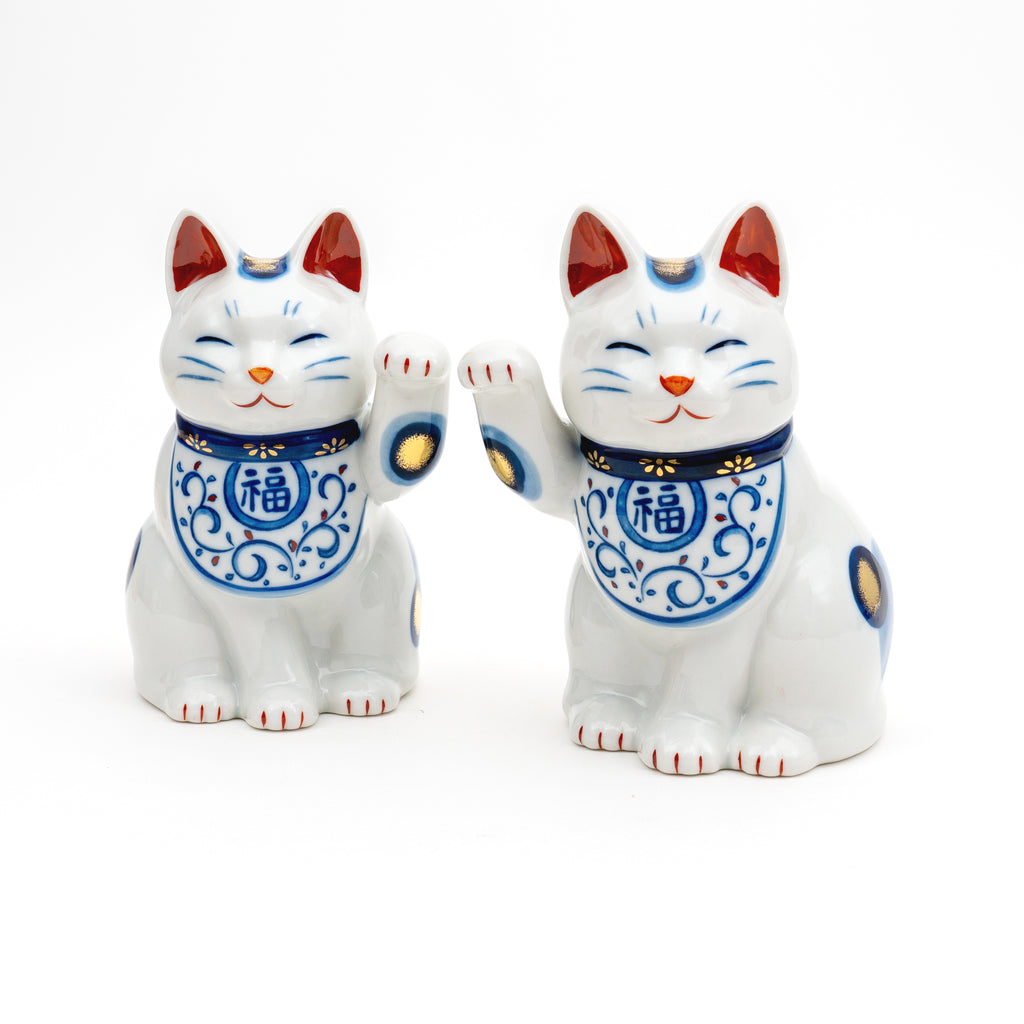
Japan's lucky cat — known as Maneki Neko (招き猫) or "beckoning cat" — is one of the most recognizable symbols in Japanese culture. You've seen it everywhere: on the counter of a restaurant, in the window of a shop, on a desk at home. But what does it actually mean, and why has it endured for centuries?
Here's everything you need to know.
---
The Origins of Maneki Neko
The Maneki Neko dates back to Japan's Edo period (1603–1868). The most popular legend tells of a feudal lord who was sheltering under a tree during a storm when he noticed a cat beckoning him toward a nearby temple. He followed the cat — and moments later, lightning struck the tree where he had been standing. The grateful lord became a patron of the temple, and the beckoning cat became a symbol of good fortune ever after.
By the Meiji era (1868–1912), Maneki Neko figurines were being mass-produced and sold throughout Japan, becoming standard fixtures in shops and businesses.
---
What Does Each Paw Mean?
One of the most common questions about Maneki Neko is which paw should be raised — and what the difference is.
Left paw raised: Attracts customers, visitors, and good relationships. Most common in shops and restaurants.
Right paw raised: Attracts wealth, money, and good luck. More common in homes.
Both paws raised: Invites both customers and wealth — considered especially auspicious.
---
What Do the Colors Mean?
Maneki Neko come in a wide range of colors, each with its own meaning:
White: The most traditional color, symbolizing purity, happiness, and good luck in general.
Gold: Wealth, financial prosperity, and business success.
Black: Protection from evil spirits and negative energy.
Red: Good health, protection, and longevity.
Pink: Love, romance, and harmonious relationships.
Calico (tri-color): Considered the most lucky of all — calico Japanese Bobtails are rare in nature, making them especially auspicious.
Green: Academic success and career growth.
---
Where Should You Place Your Lucky Cat?
Near the entrance of a home or business: The most traditional placement, with the cat facing outward to beckon customers and guests inside.
On a windowsill: Facing out toward the street, welcoming passersby and positive energy.
At a cash register or reception desk: A classic choice for businesses to attract customers and prosperity.
In the wealth corner (Xun): In feng shui practice, the far left corner of a room from the entrance is the "wealth corner" — a powerful spot for a gold or calico Maneki Neko.
---
Authentic Maneki Neko vs. Mass-Produced Imitations
Most lucky cats sold today are made of plastic and manufactured outside Japan. Authentic Japanese Maneki Neko are handcrafted from ceramics — Kutani porcelain, Tokoname clay, Mino ware, or Yakushigama pottery — by skilled artisans who have spent years perfecting their craft.
The difference is immediately apparent: authentic pieces have a weight and warmth to them, with hand-painted details that no two pieces share exactly. They're not just decorative objects — they're small works of art with real cultural heritage behind them.
At Great Zakka, every Maneki Neko in our collection is authentically made in Japan. Browse our full collection of handcrafted lucky cat figurines, or explore some of our most popular pieces below.


Leave a comment