



Mugs & Cups
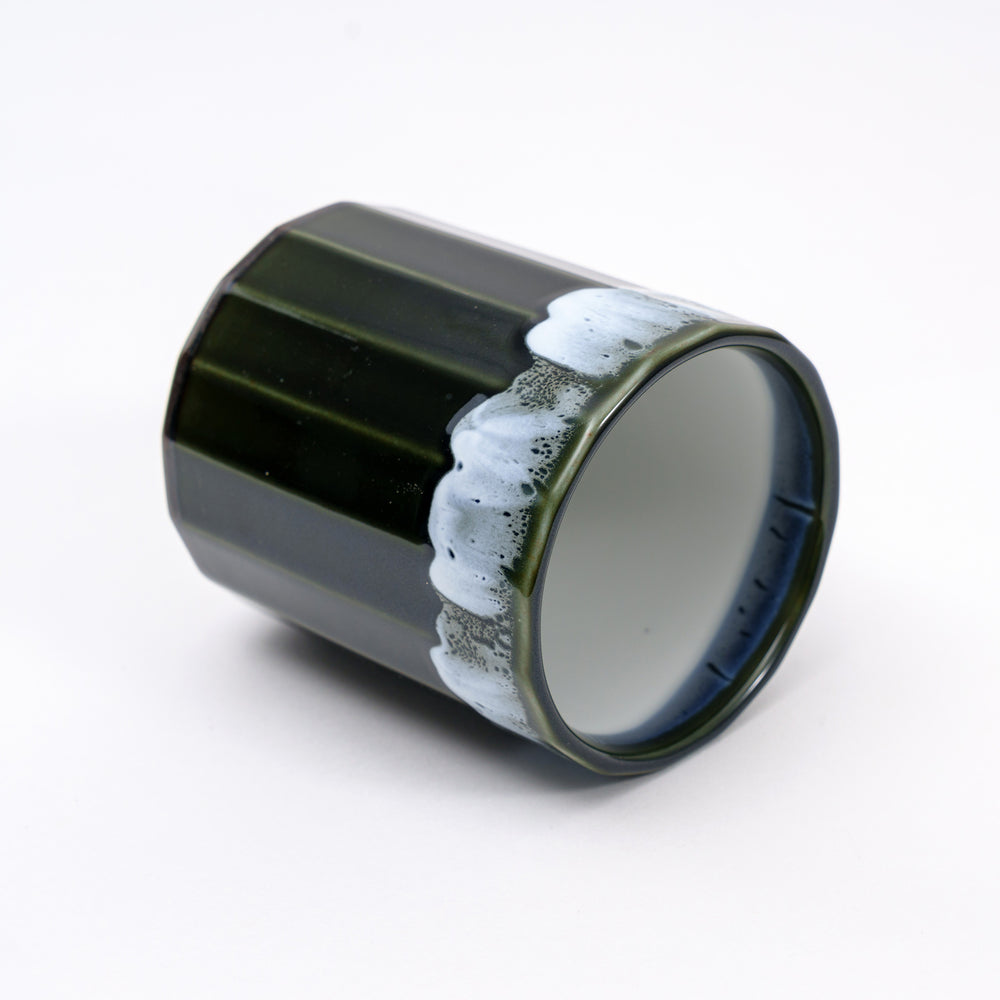
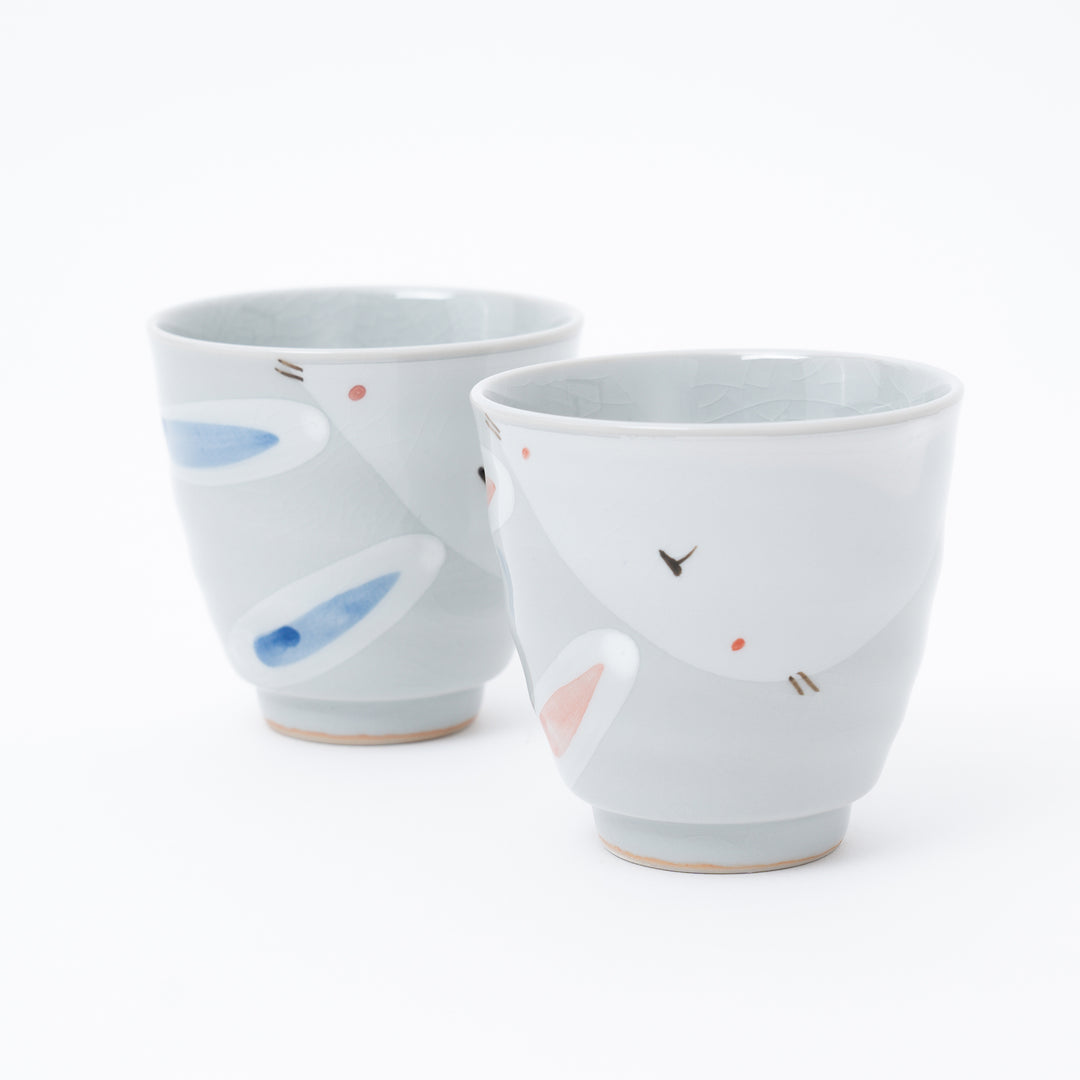
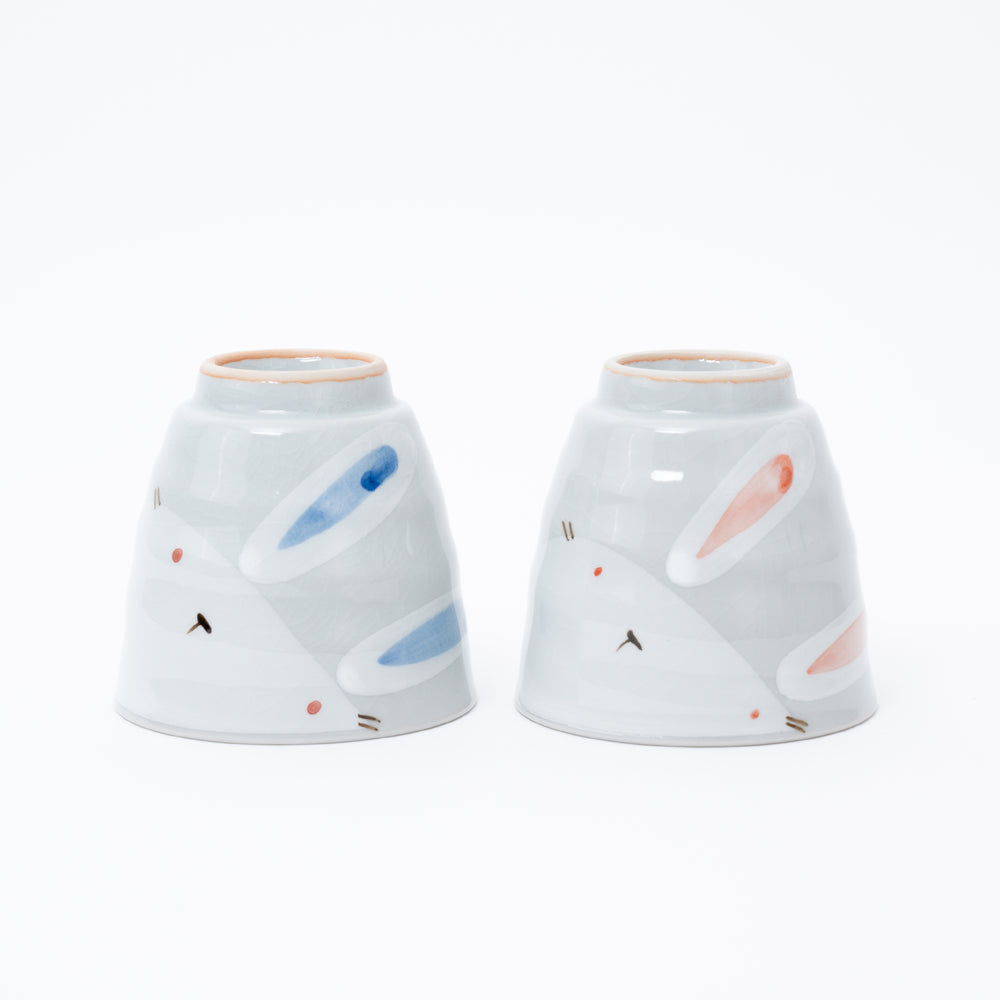
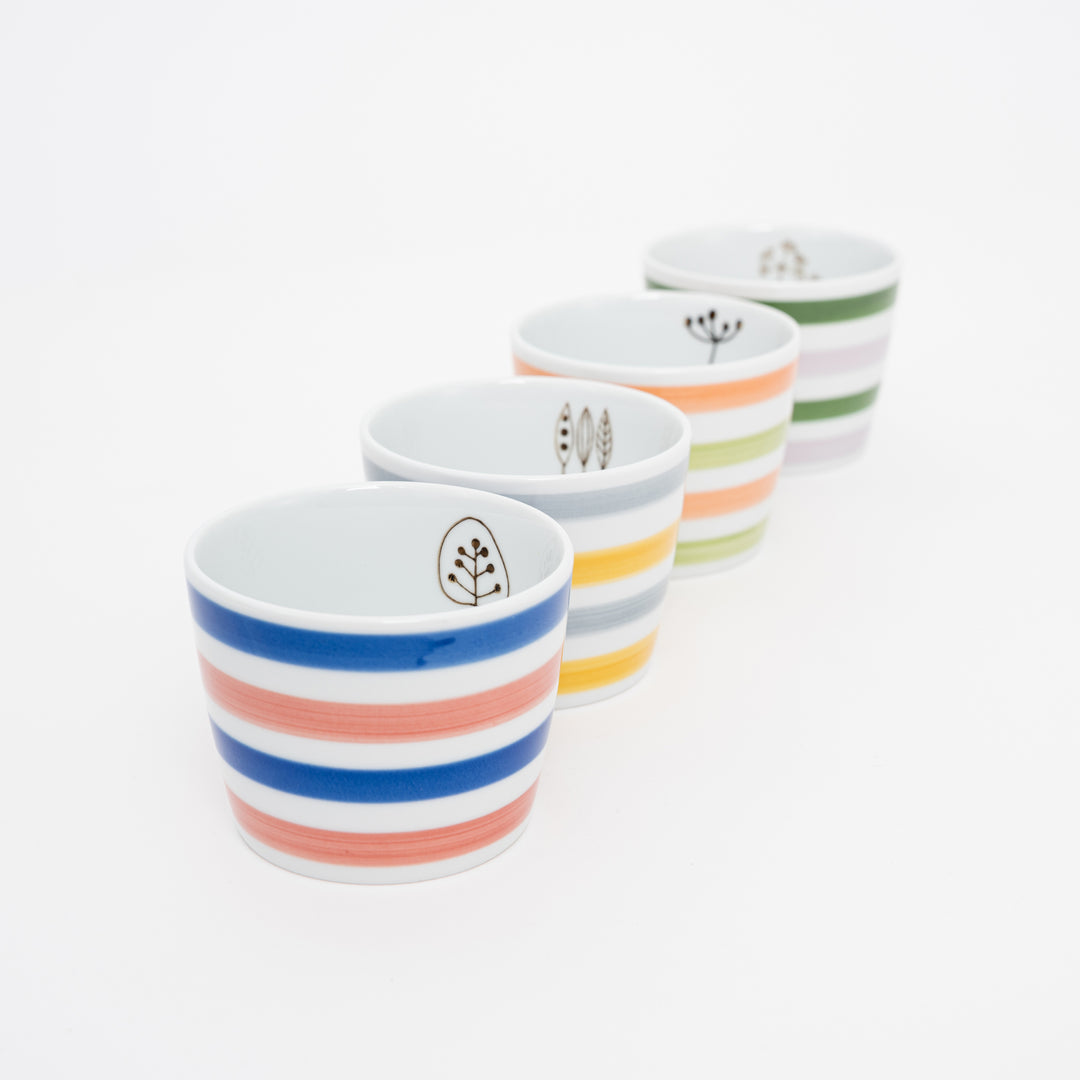
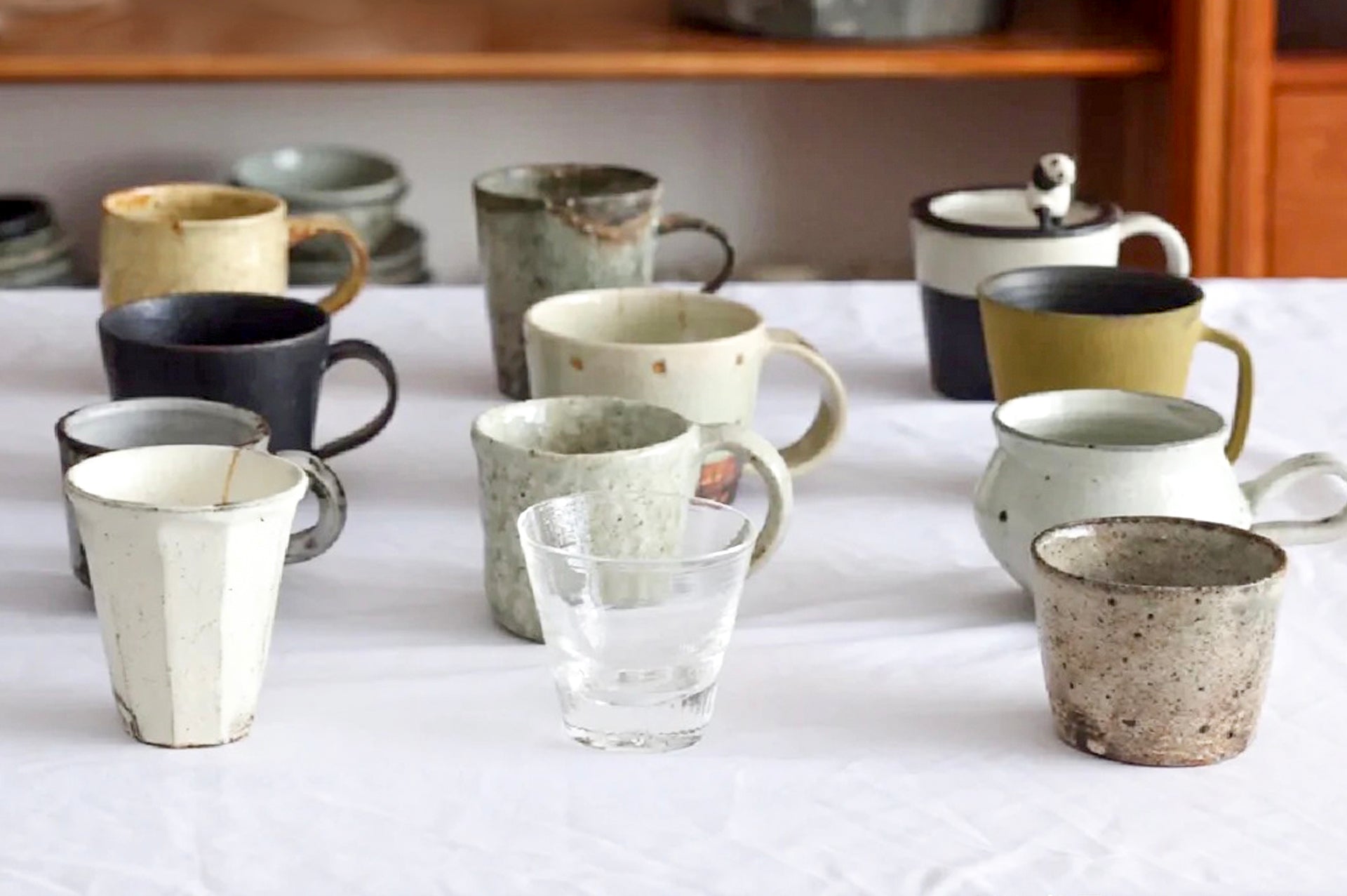
Japanese ceramic mugs are more than just coffee cups — each one is a handcrafted work of art made by skilled artisans across Japan. At Great Zakka, we carry an extensive selection of authentic Japanese mugs in a wide range of styles, from the bold hand-painted designs of Kutani ware to the earthy textures of Mino stoneware and the clean lines of Seto porcelain.
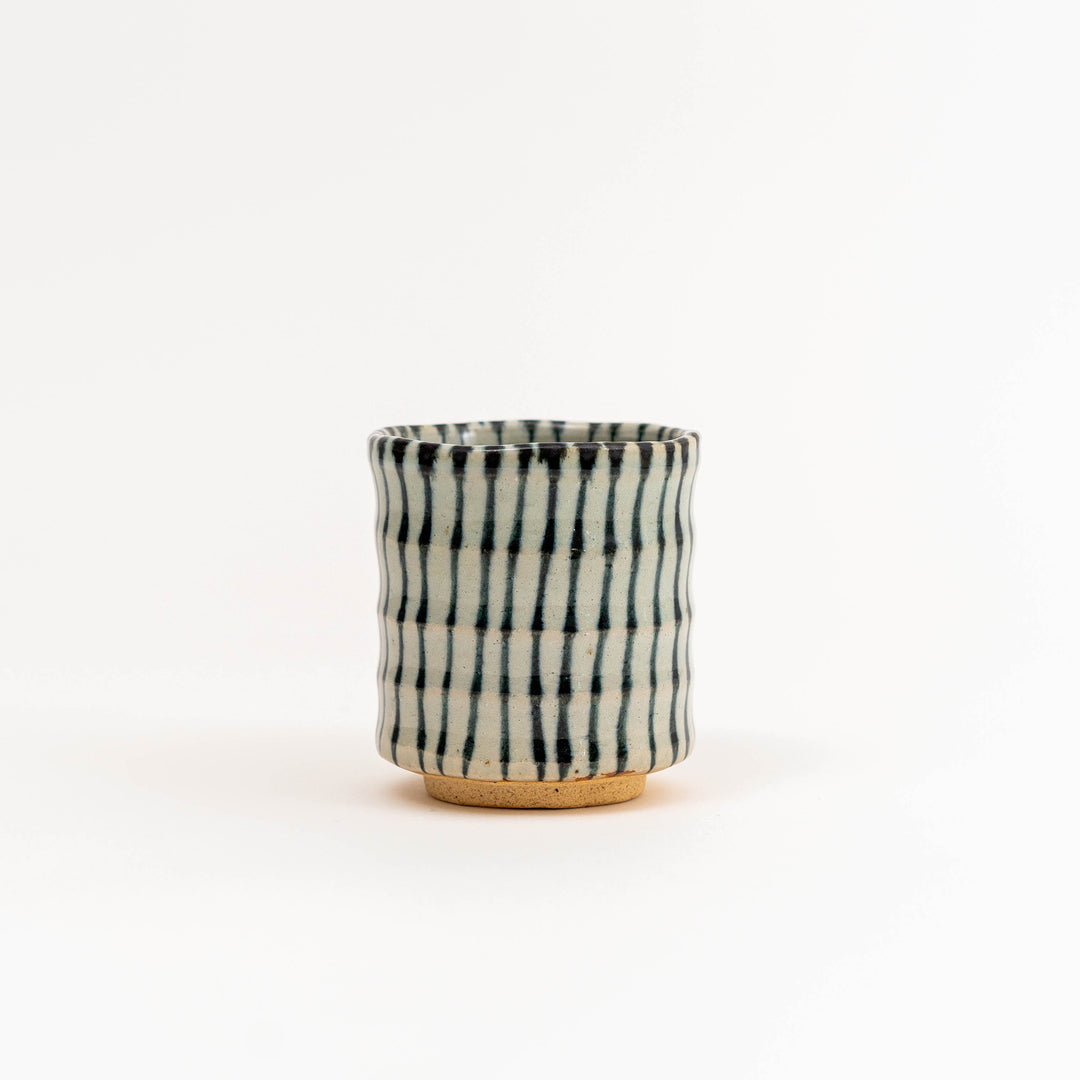
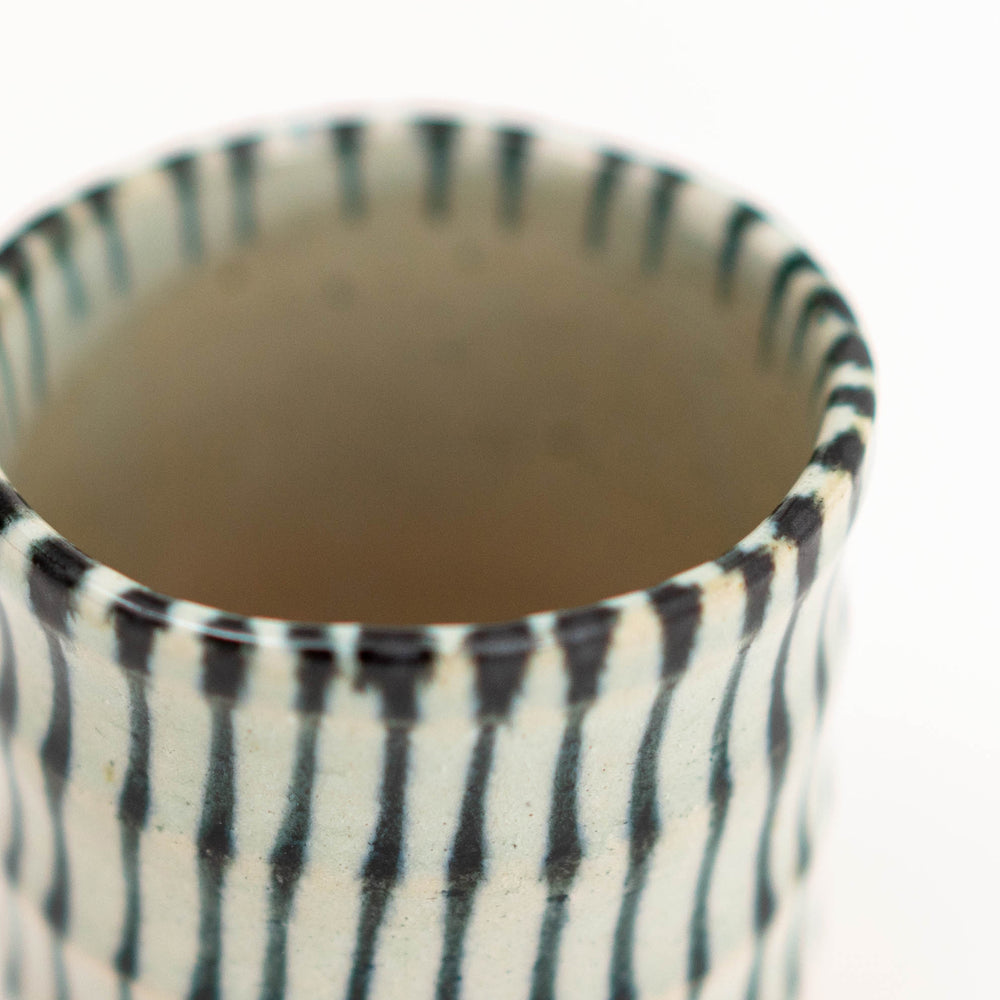
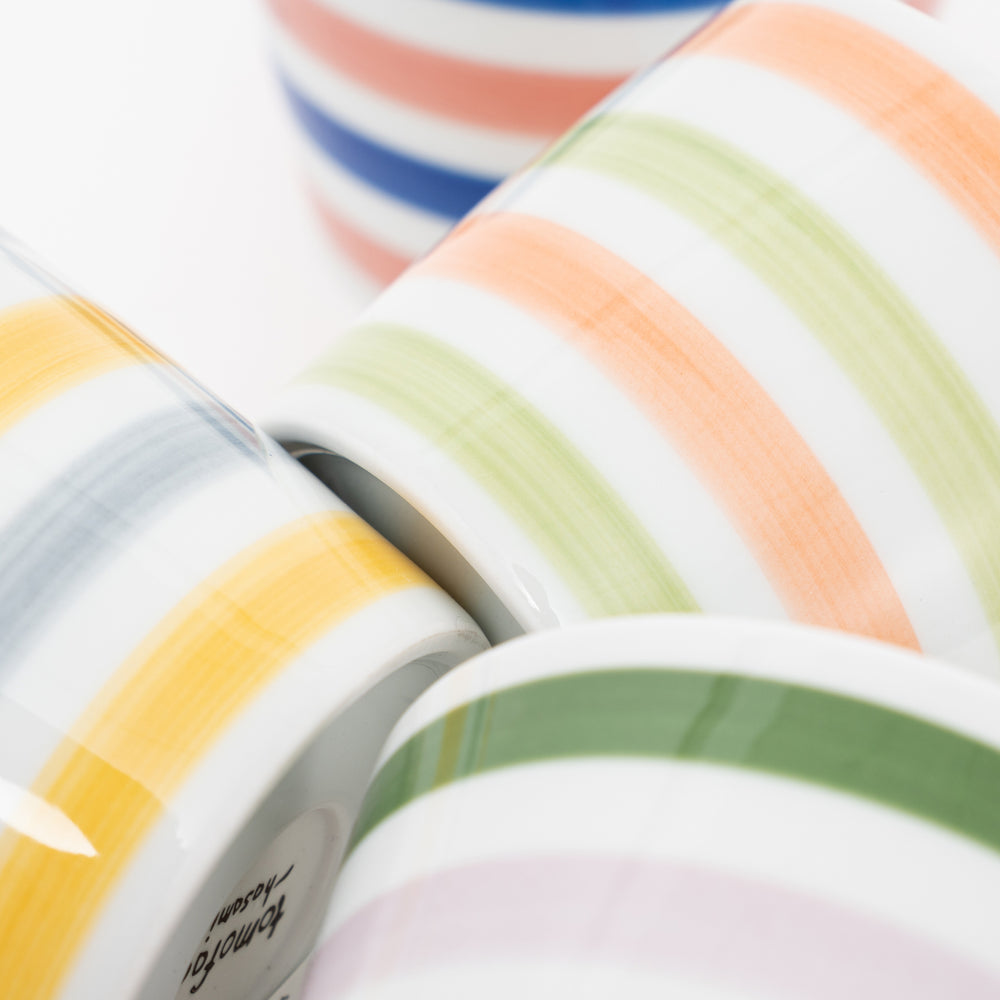
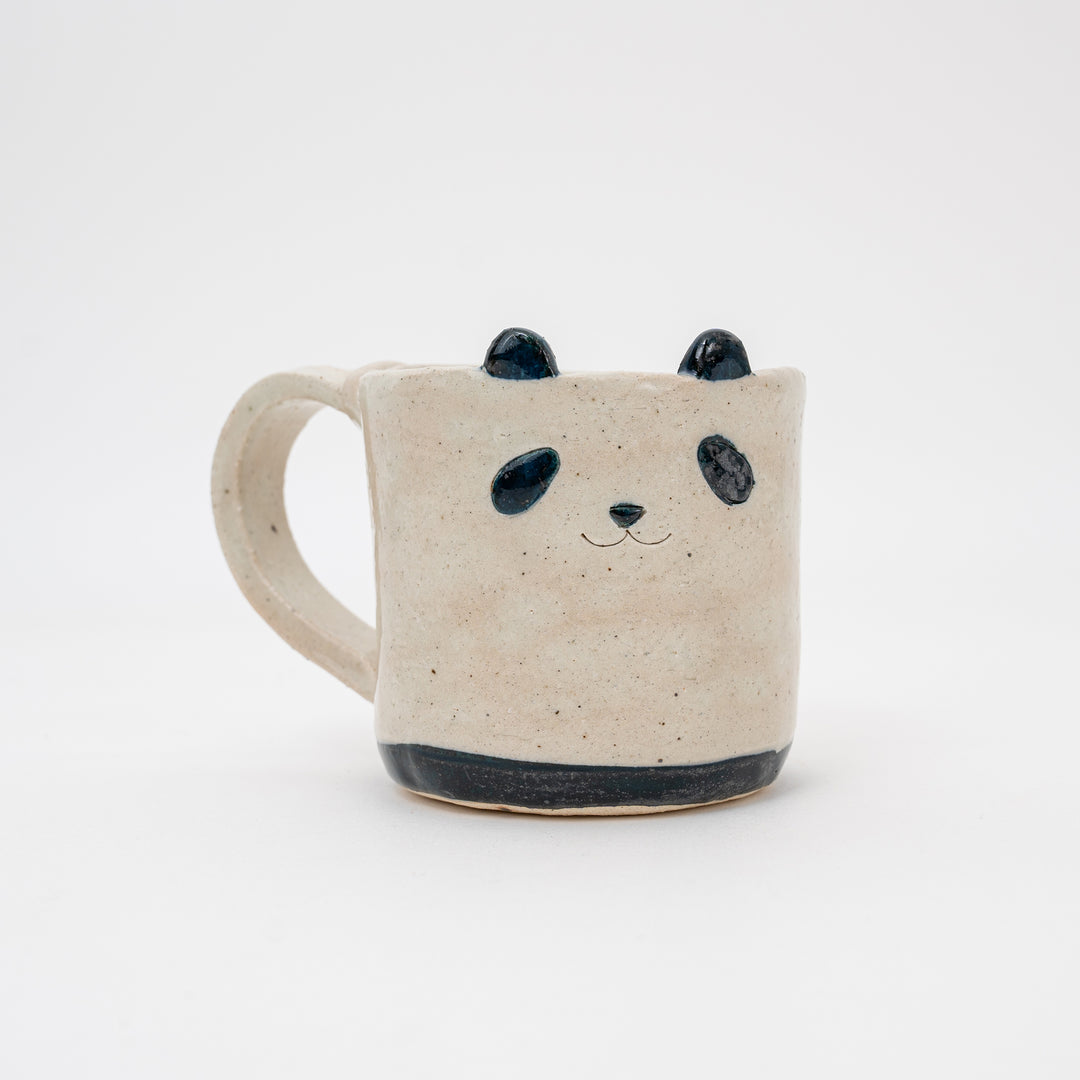
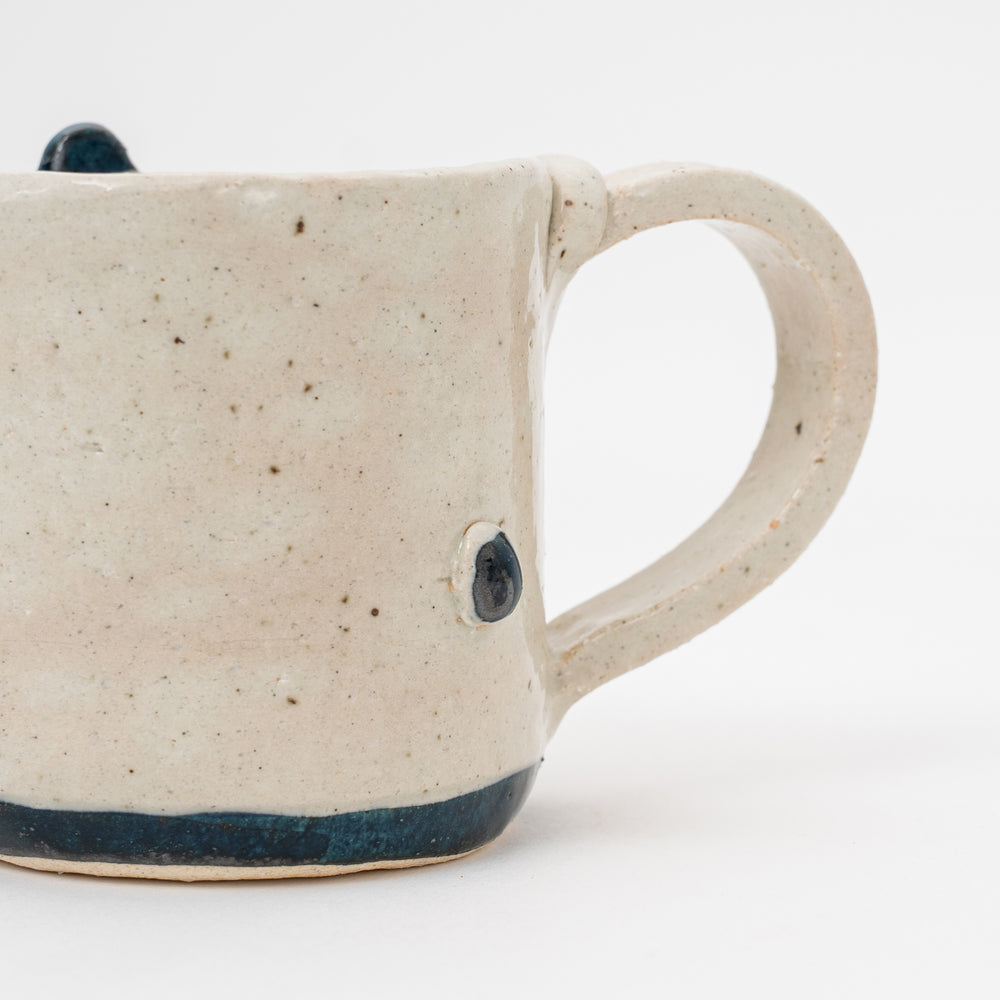
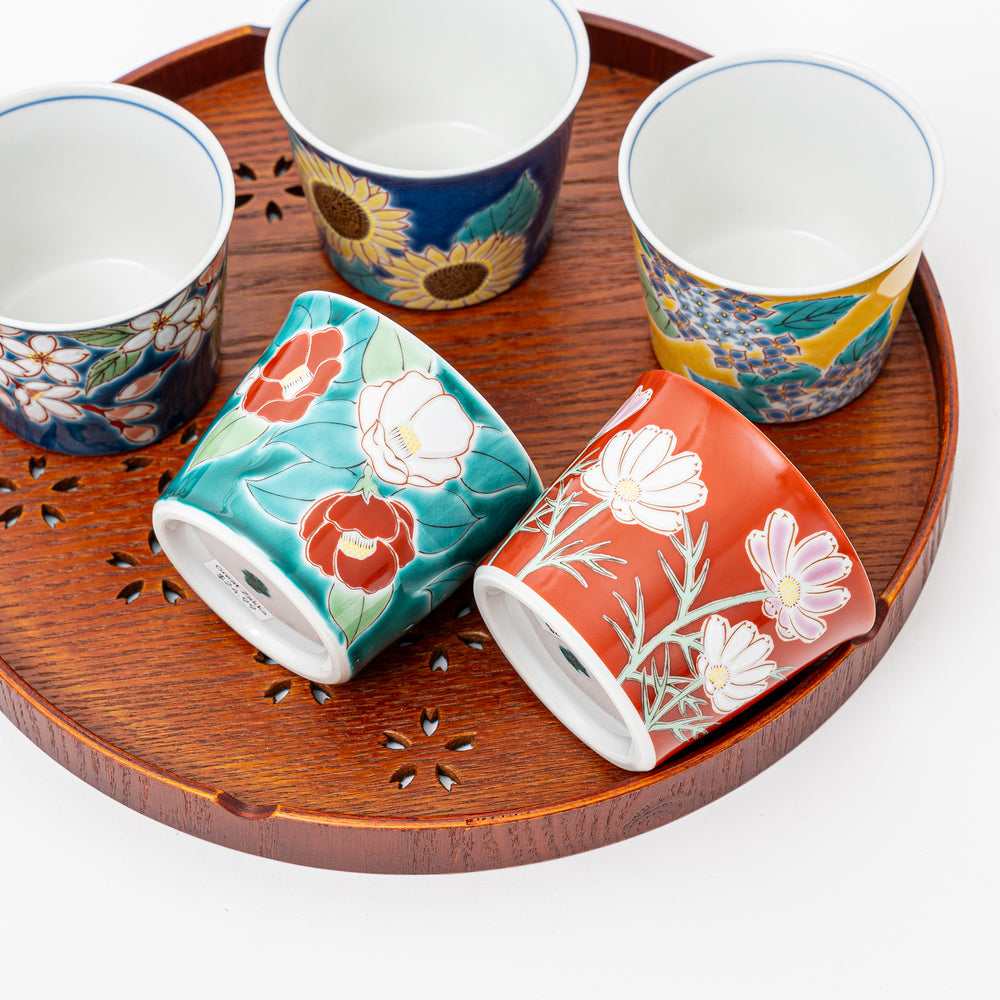
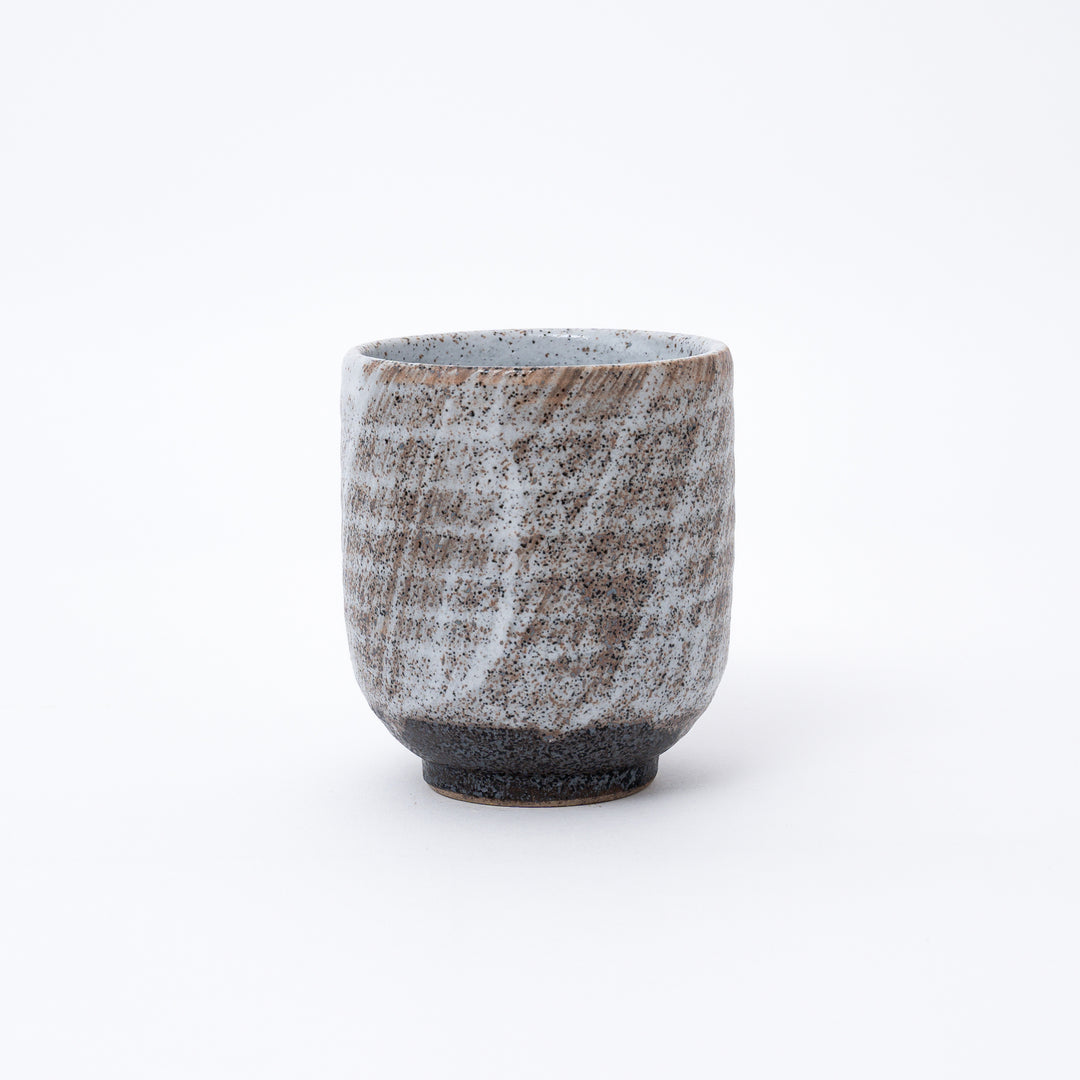
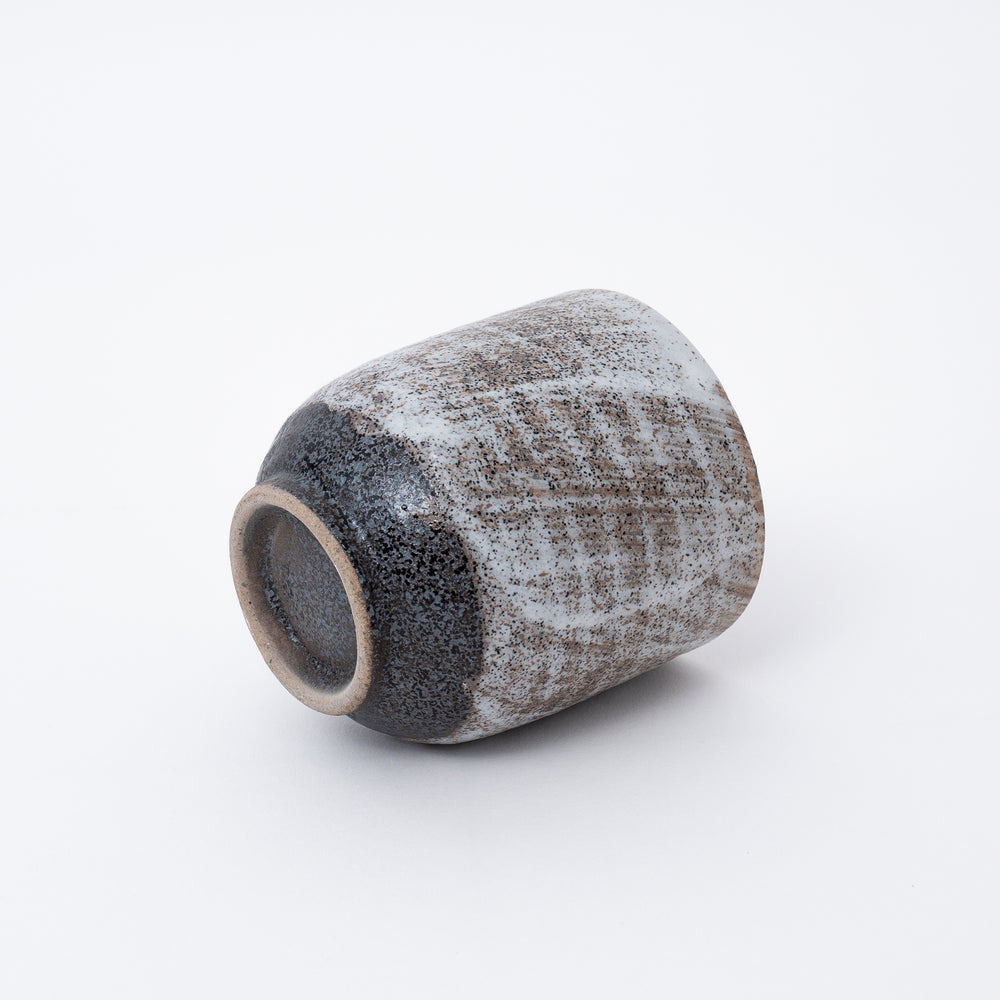
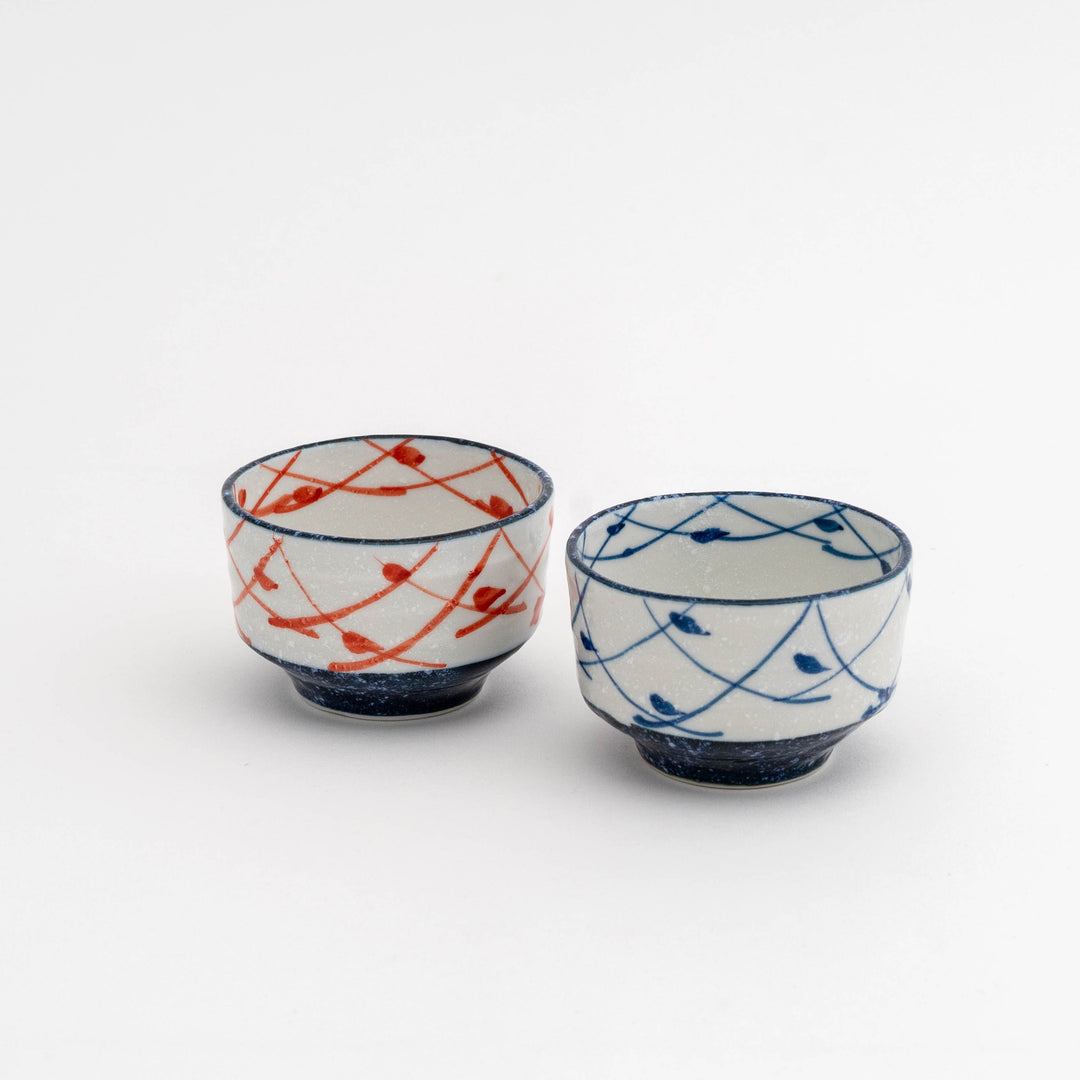
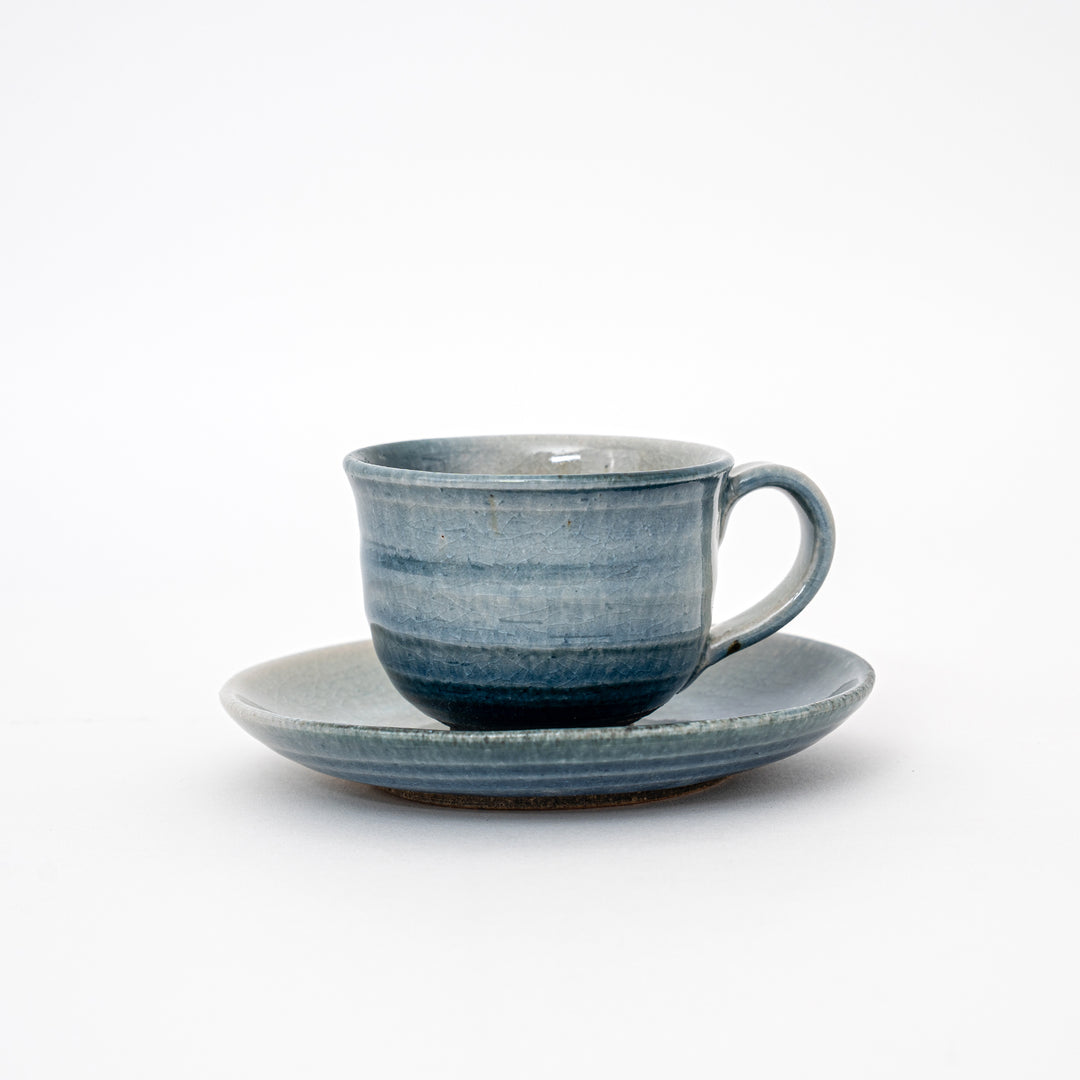
What makes Japanese ceramic mugs special? Unlike mass-produced mugs, each piece is individually thrown or cast and finished by hand. Kutani mugs are painted with intricate overglaze designs in vivid colors and gold accents. Mino ware mugs — produced in Gifu Prefecture for over 1,300 years — are known for their natural glazes and wabi-sabi character. Seto ware, one of Japan's Six Ancient Kilns, offers clean, elegant forms perfect for everyday use.
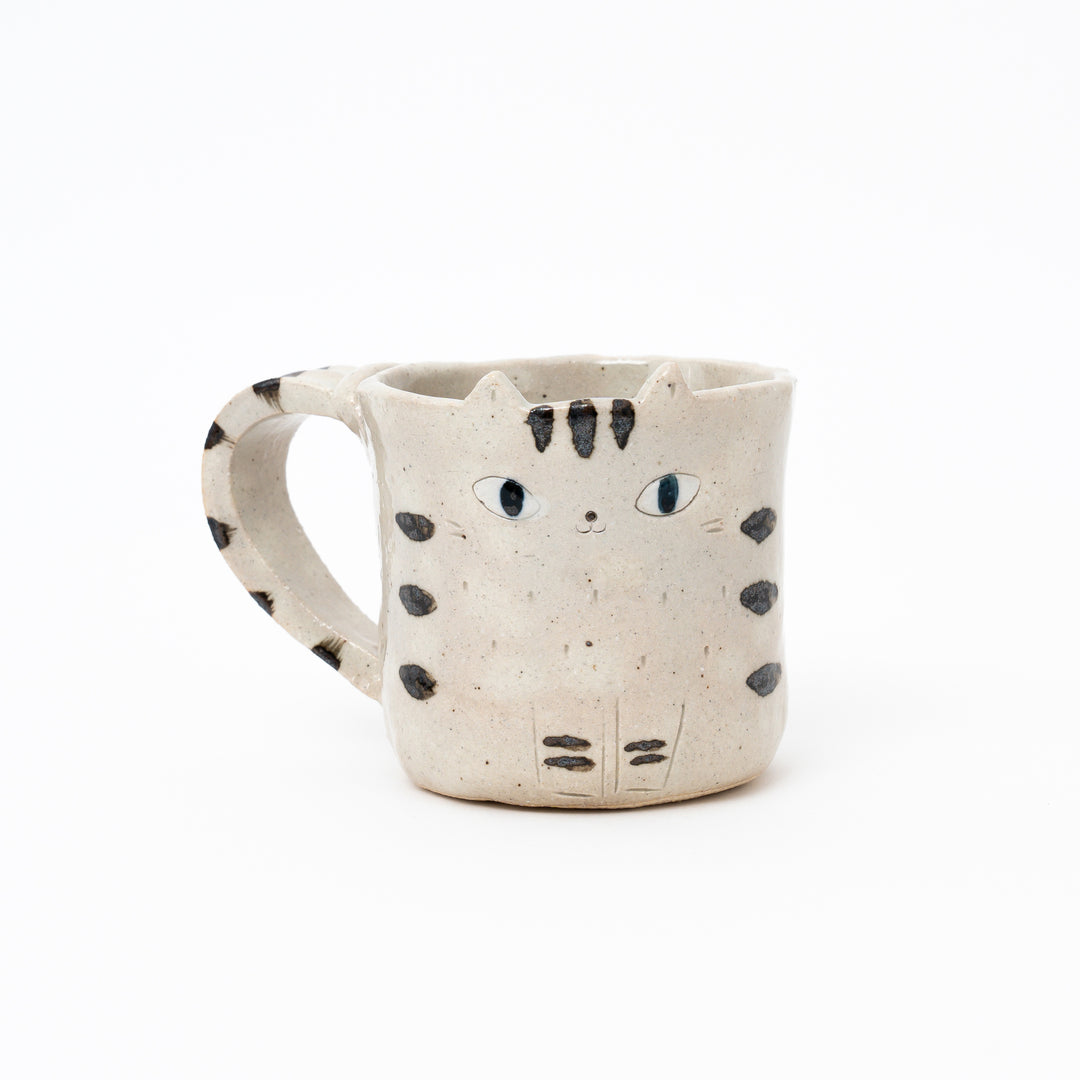
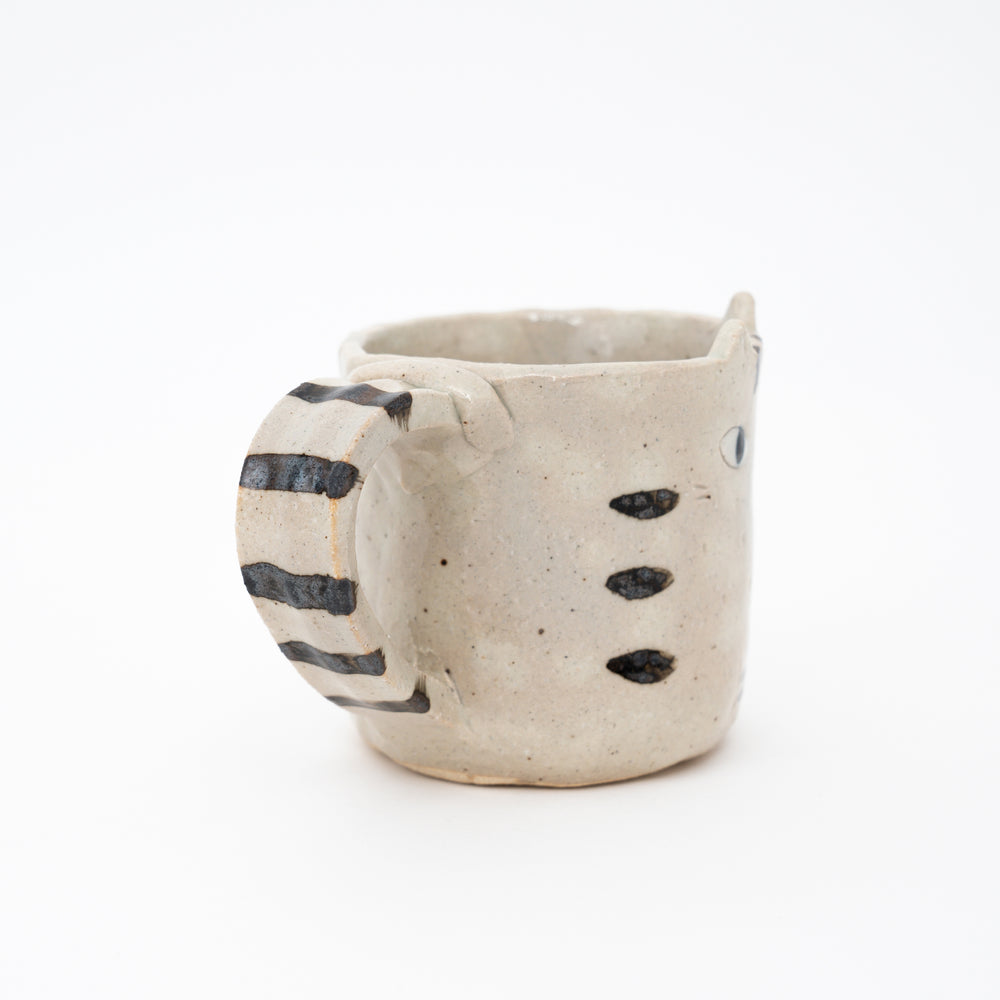
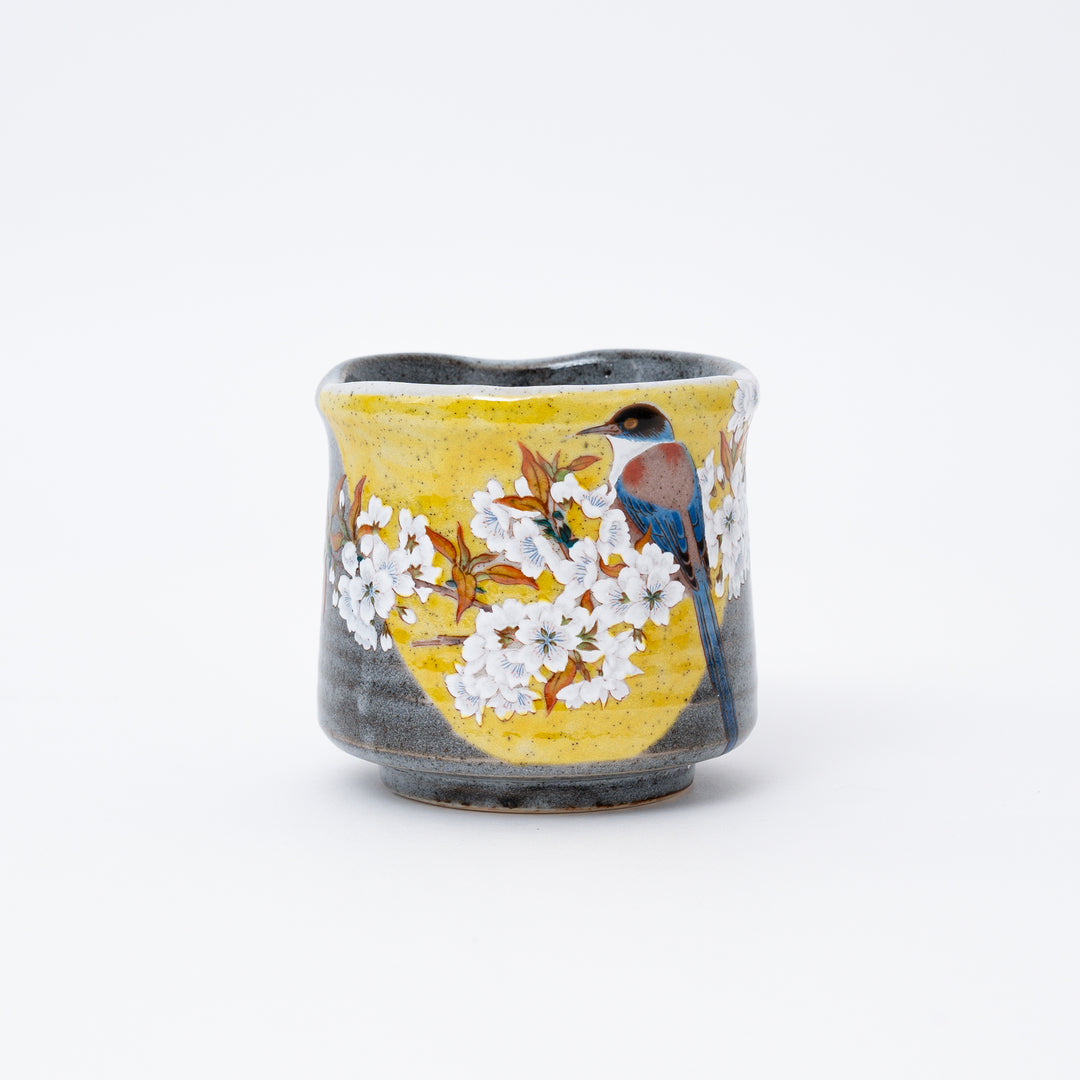
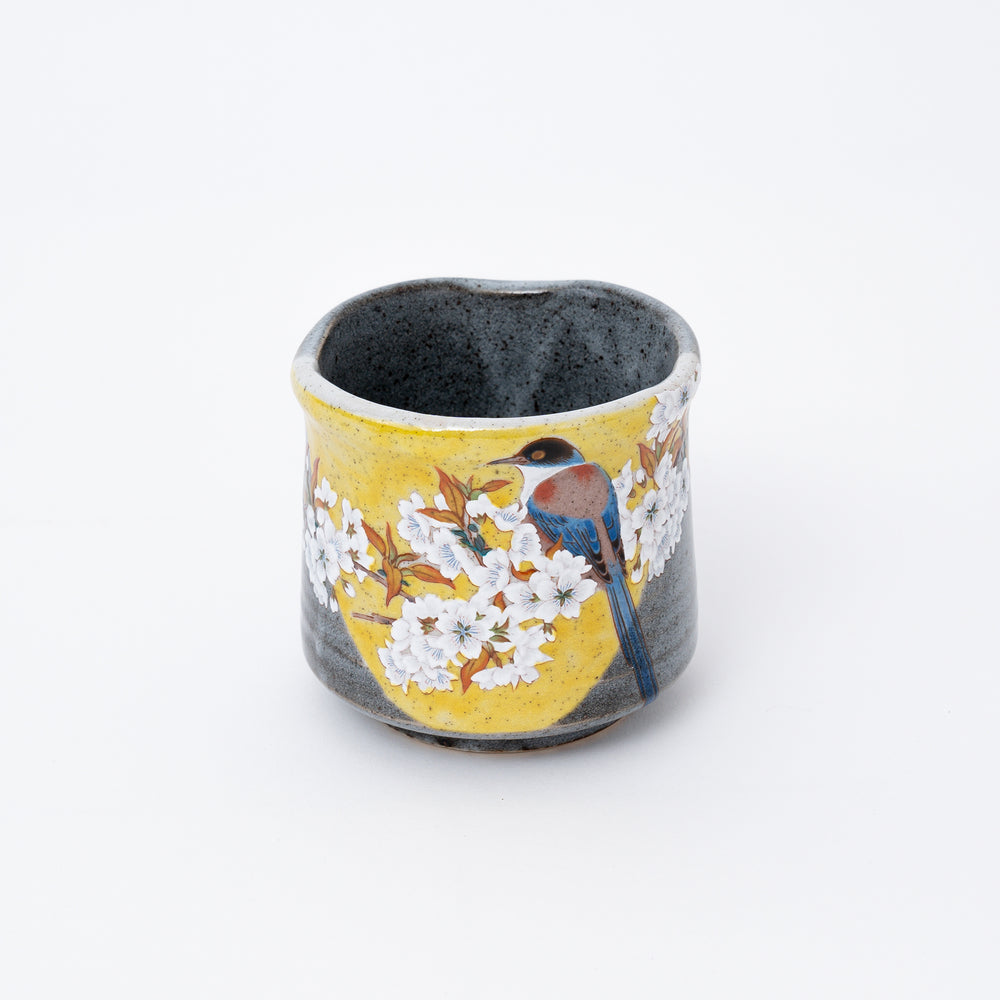
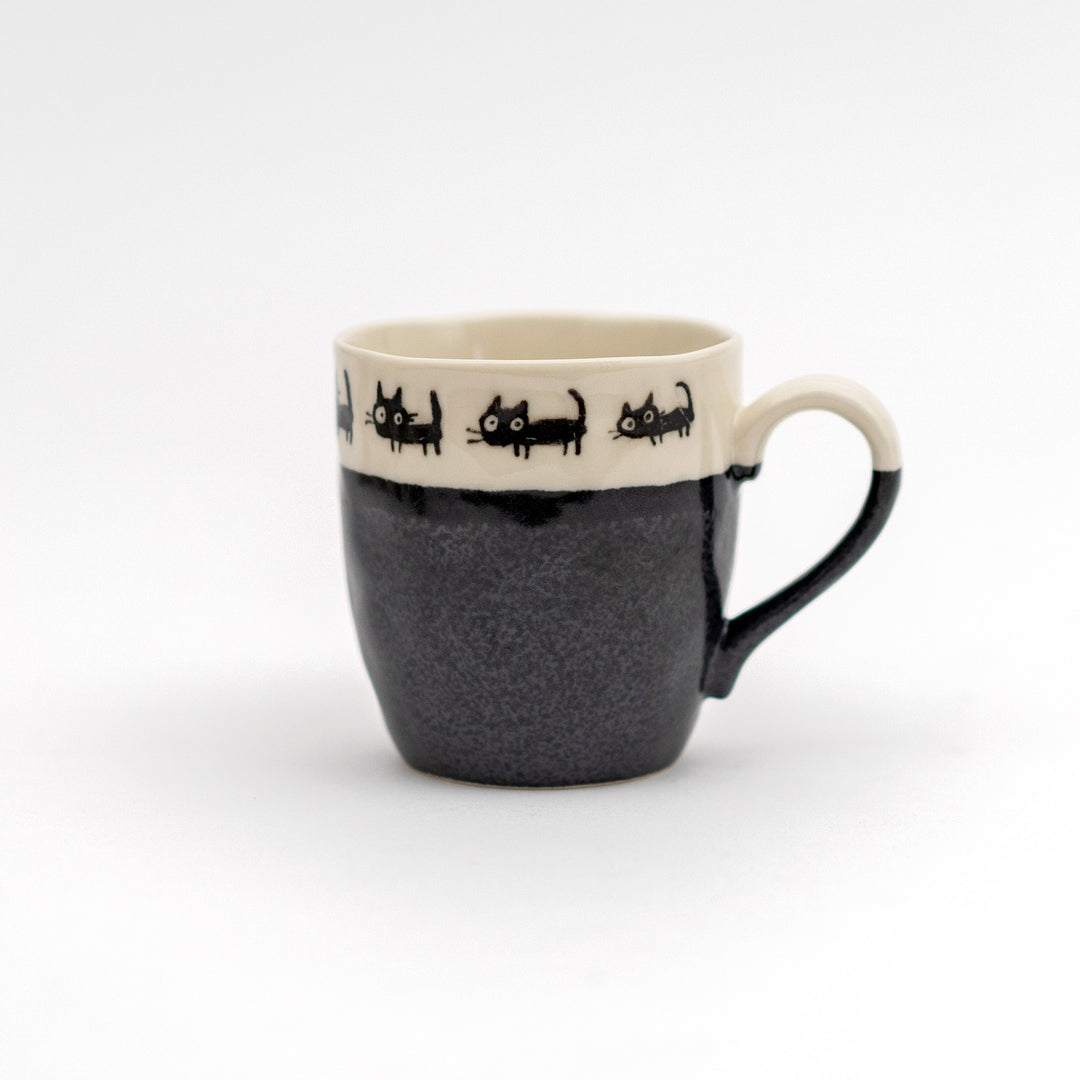
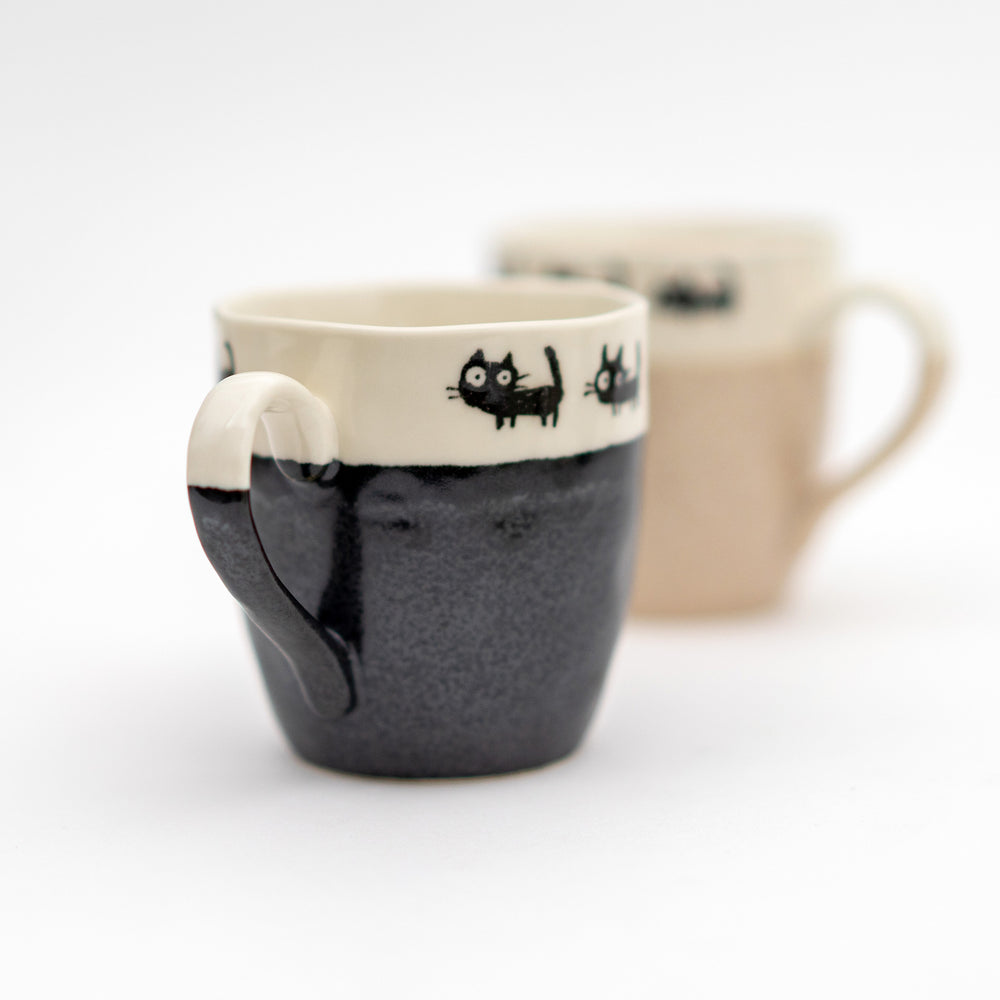
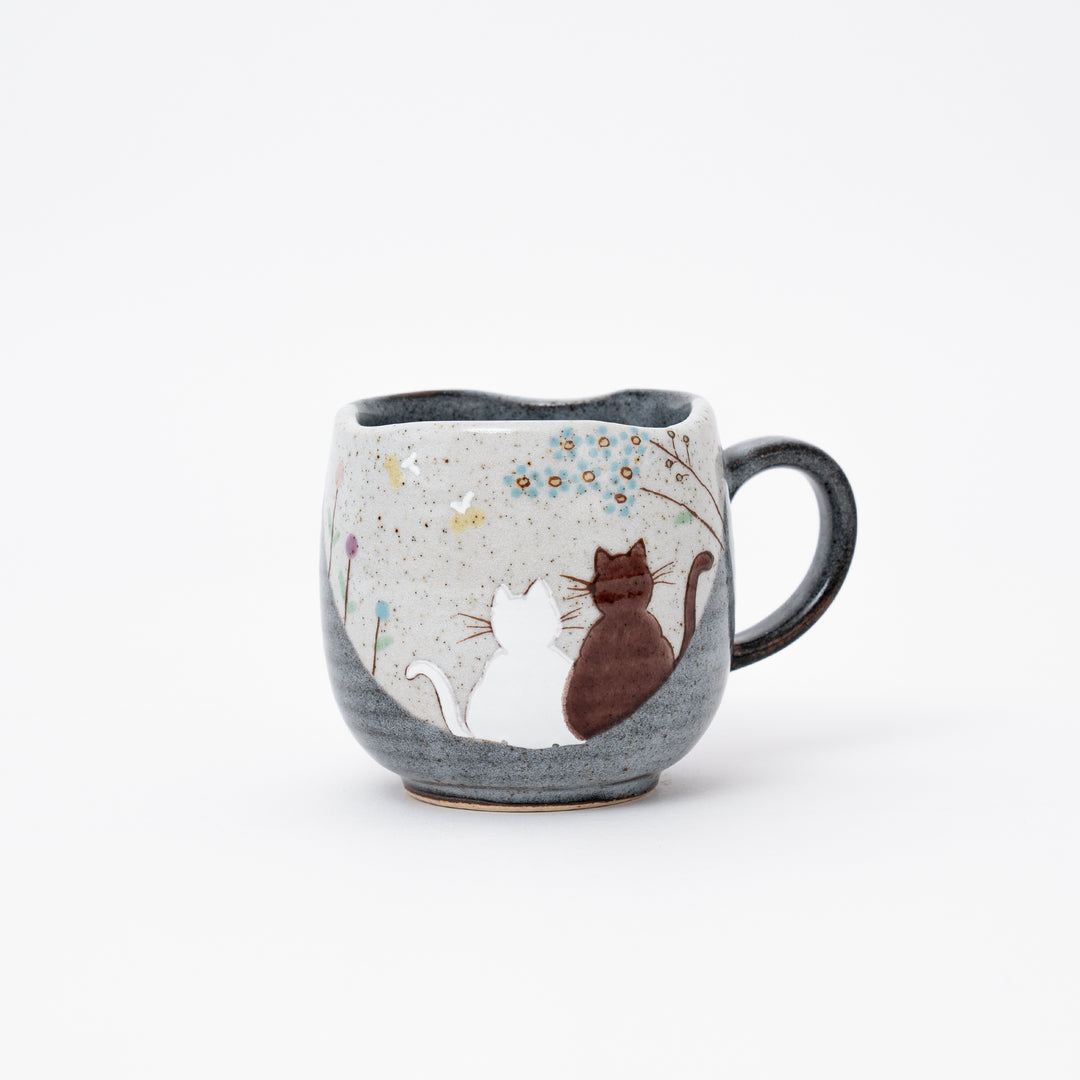
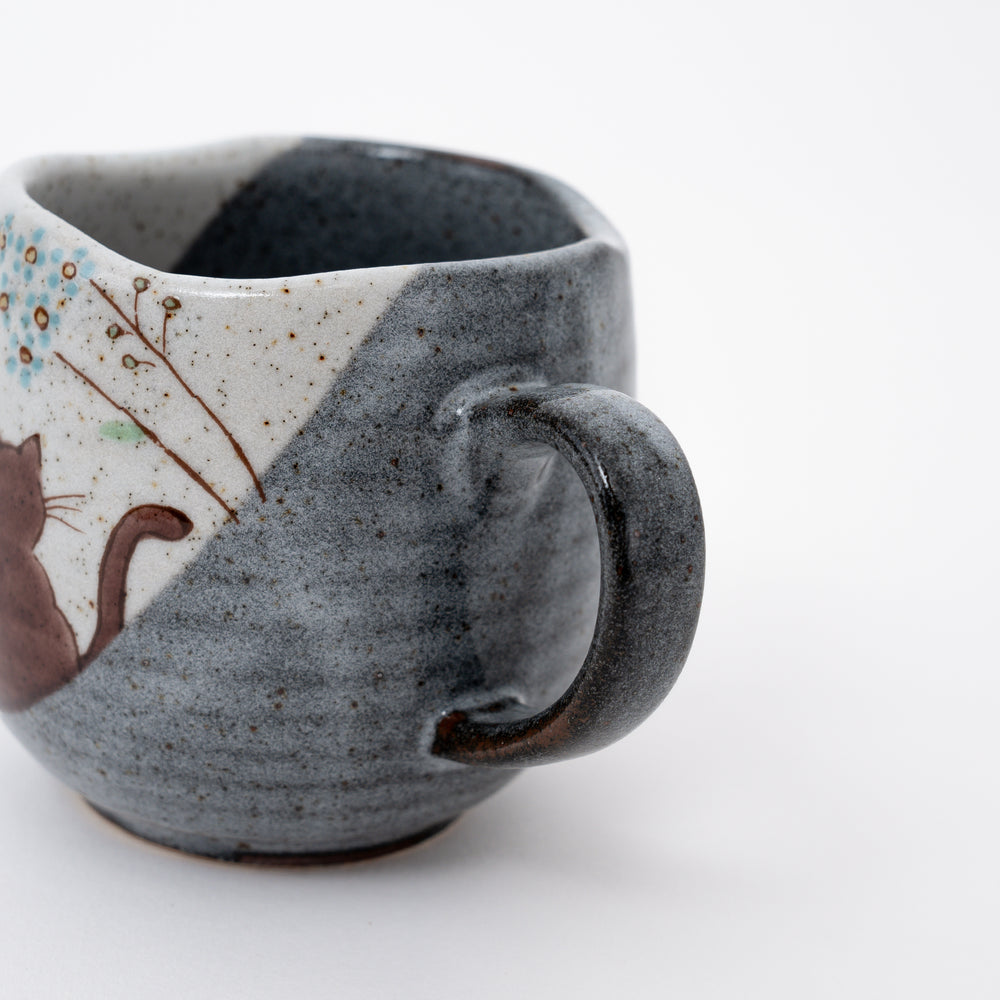
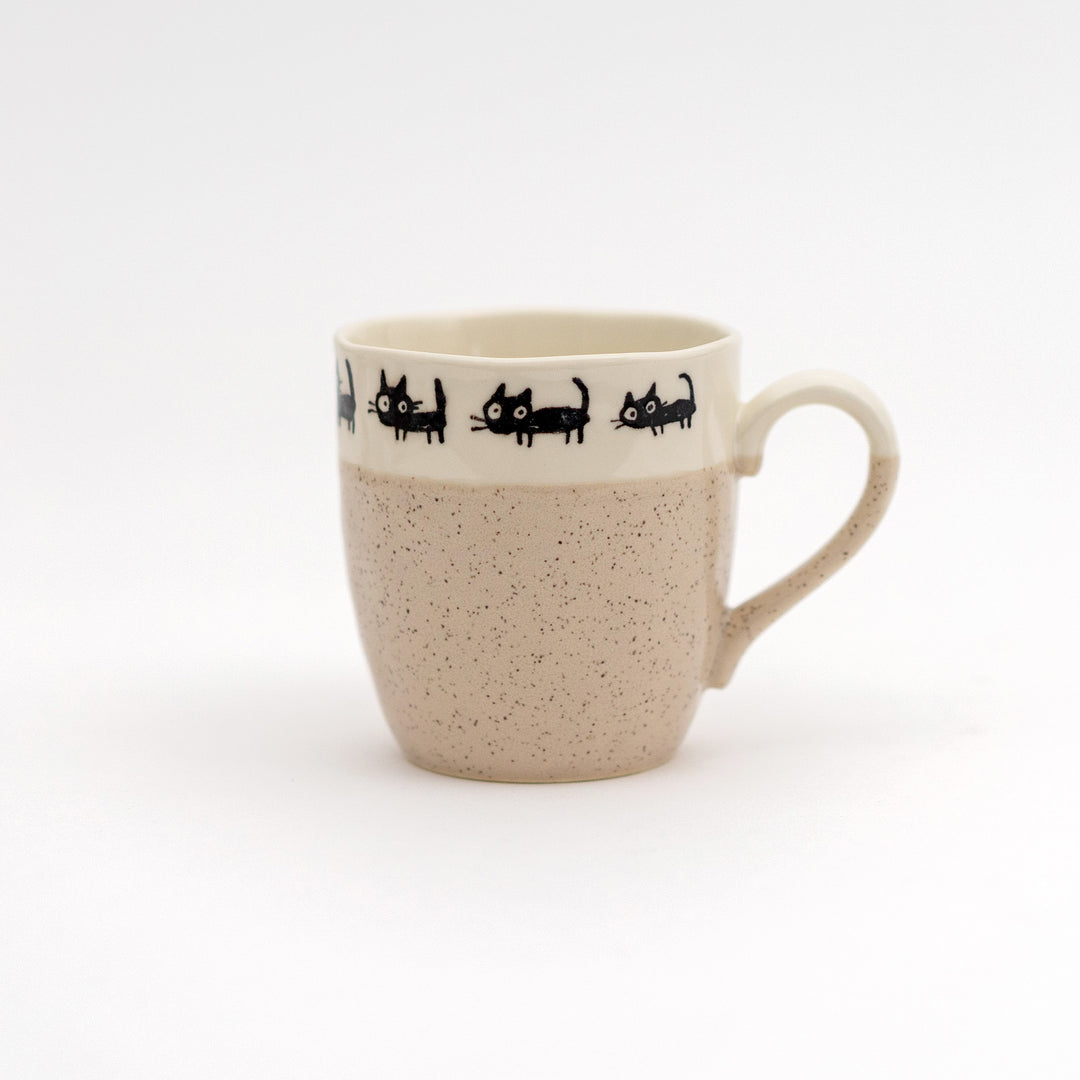
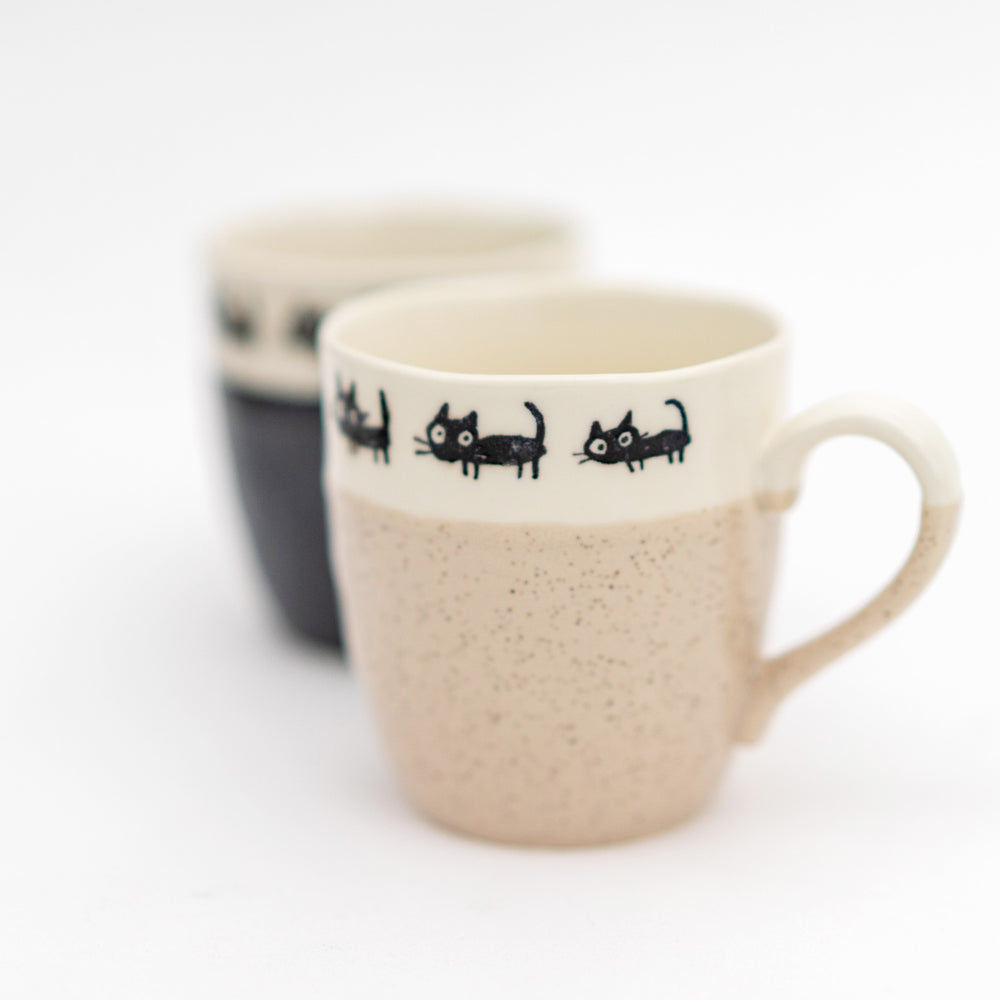
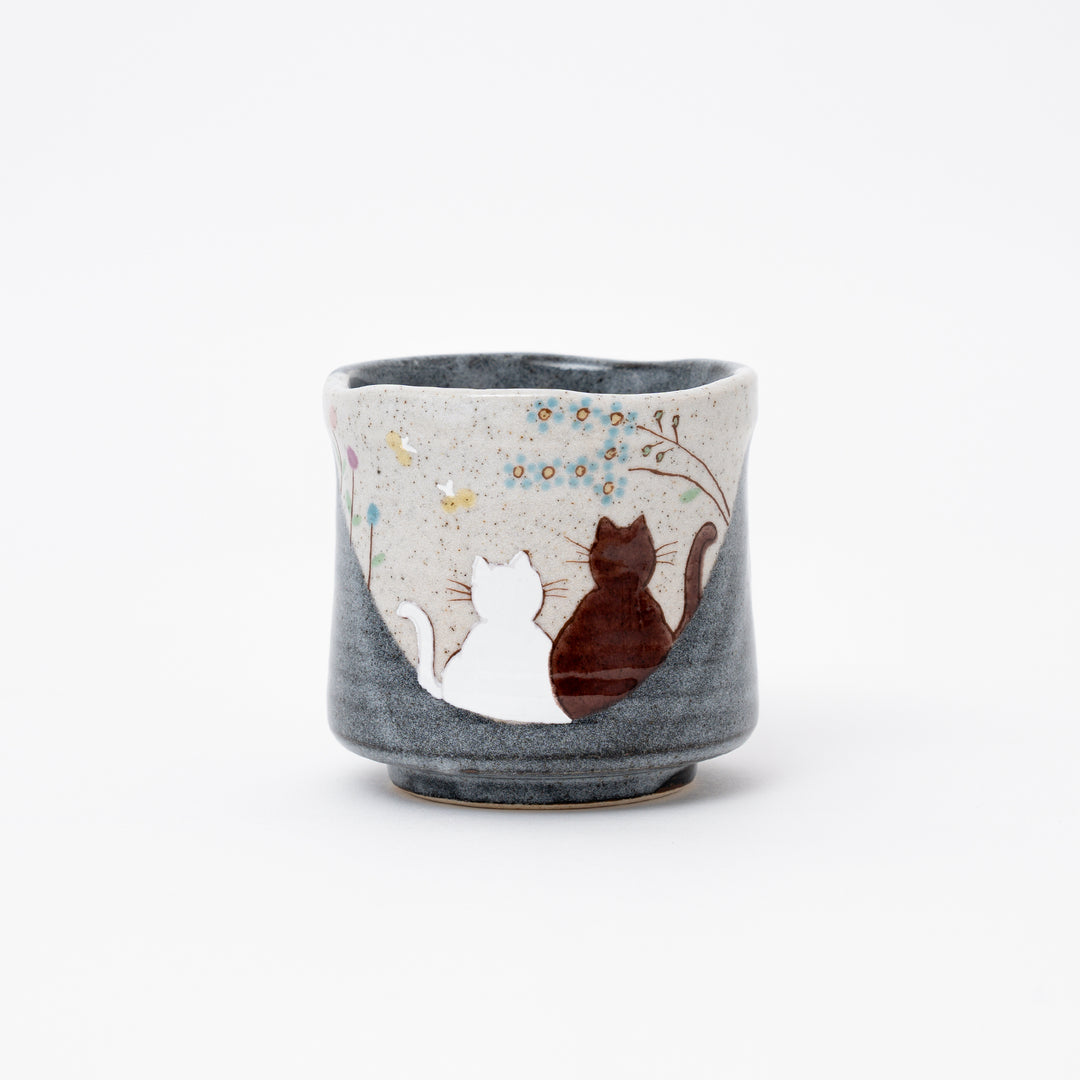
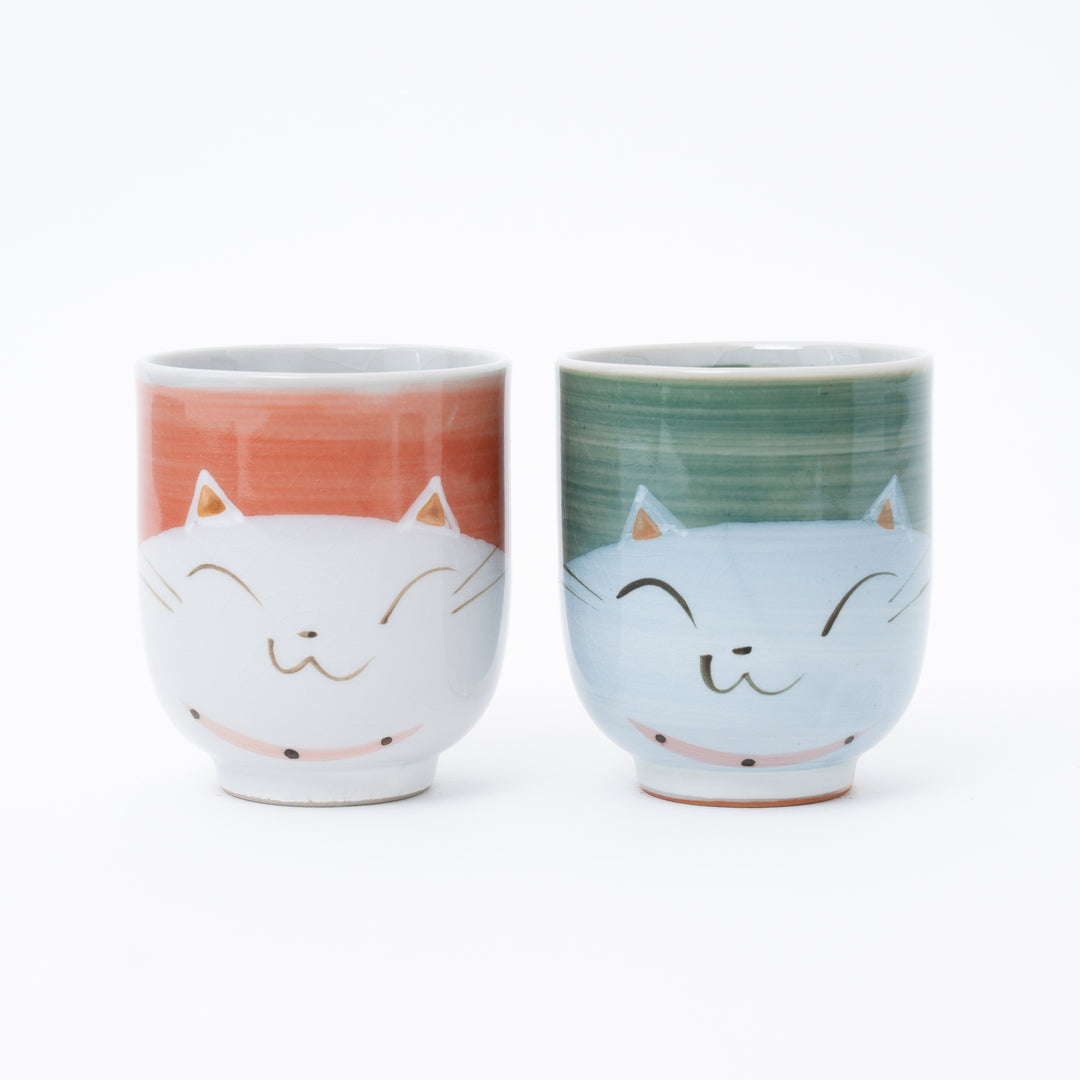
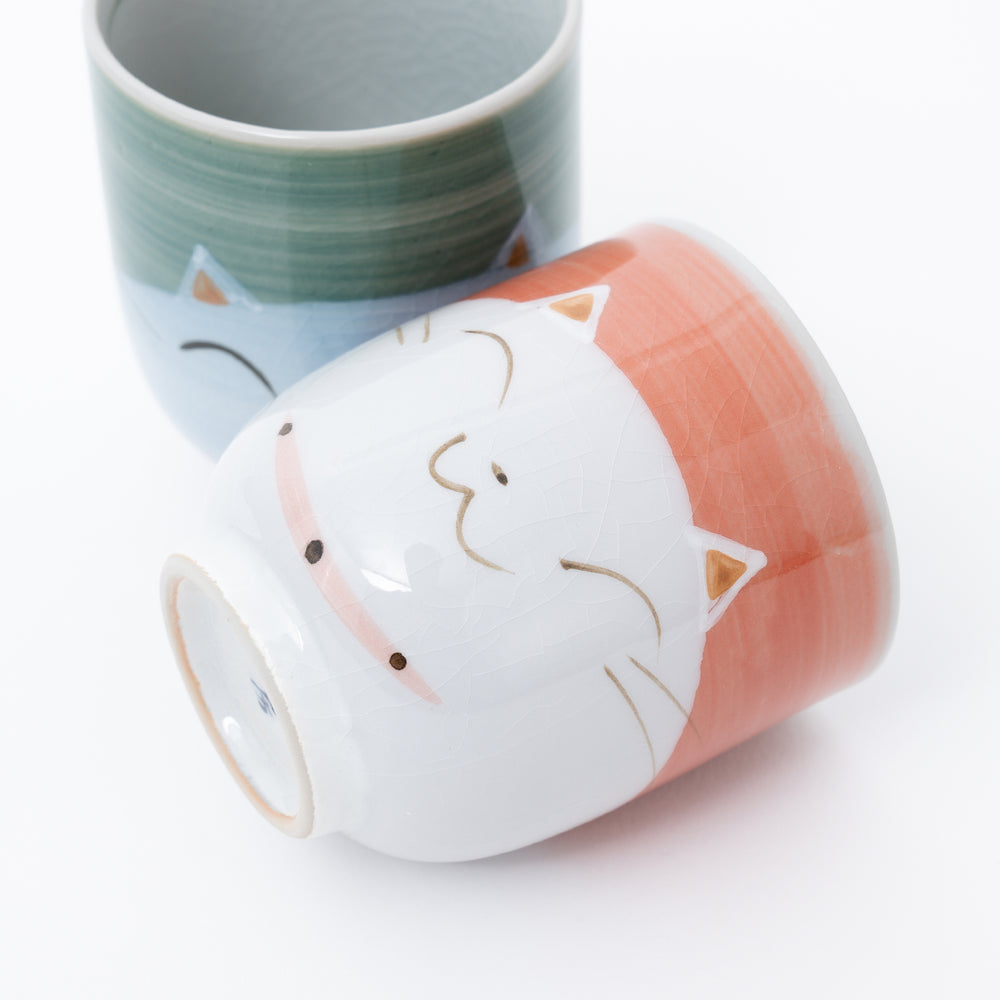
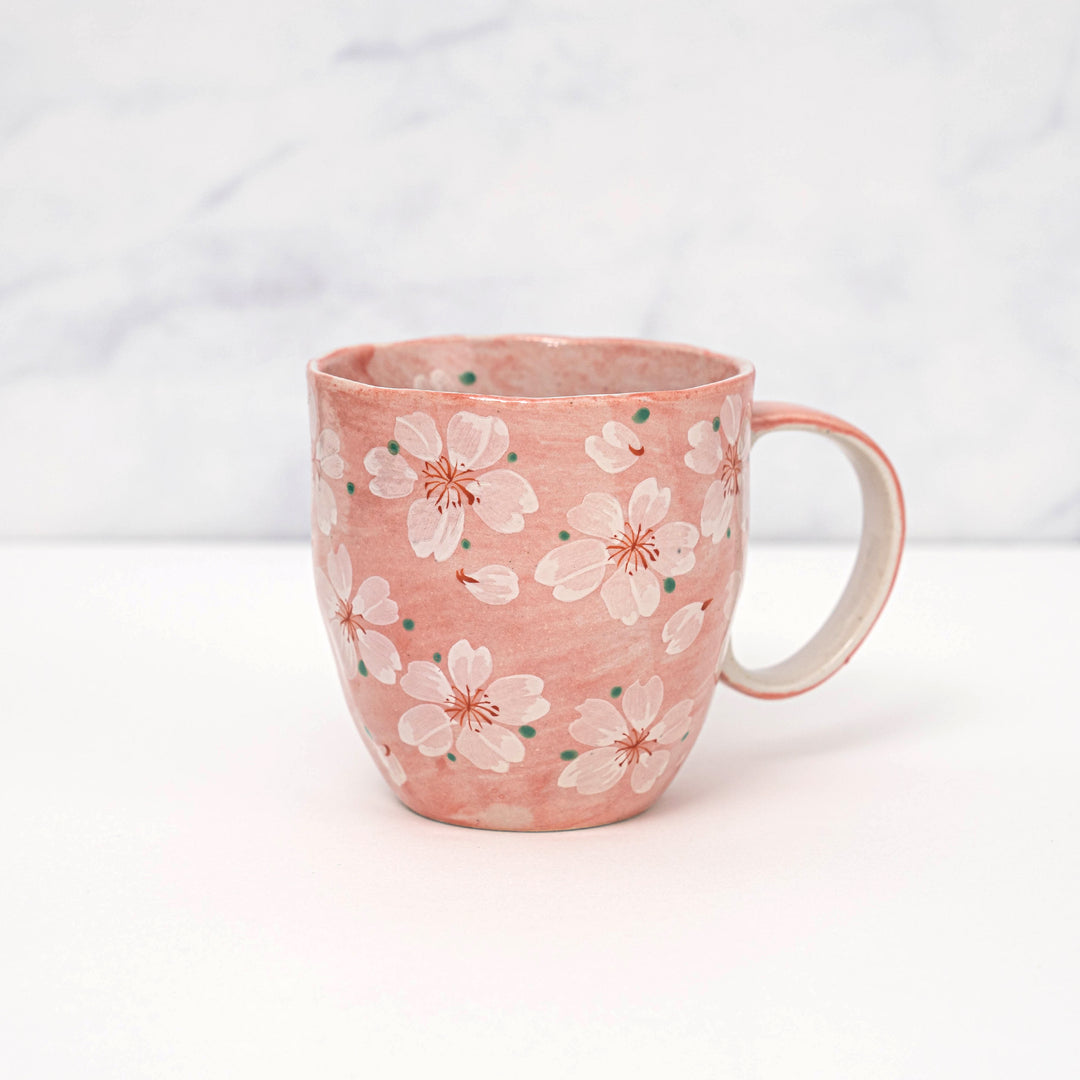
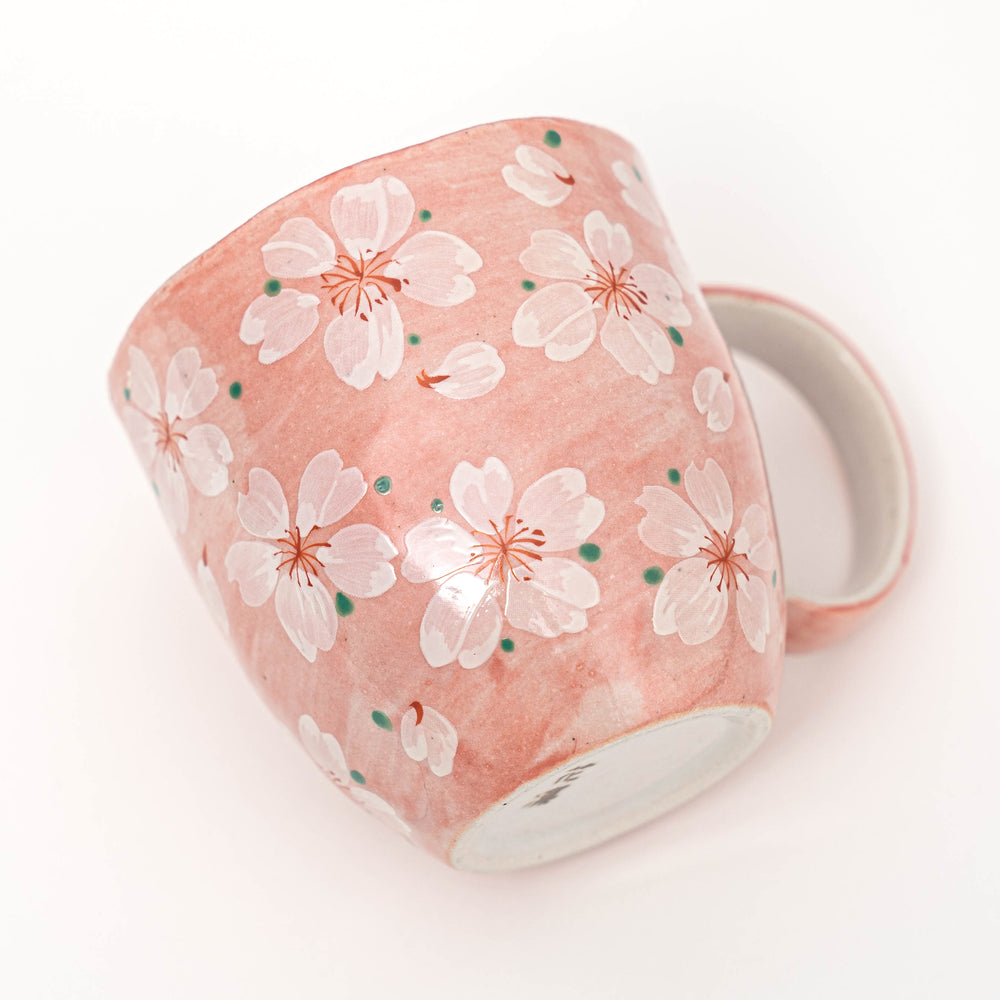
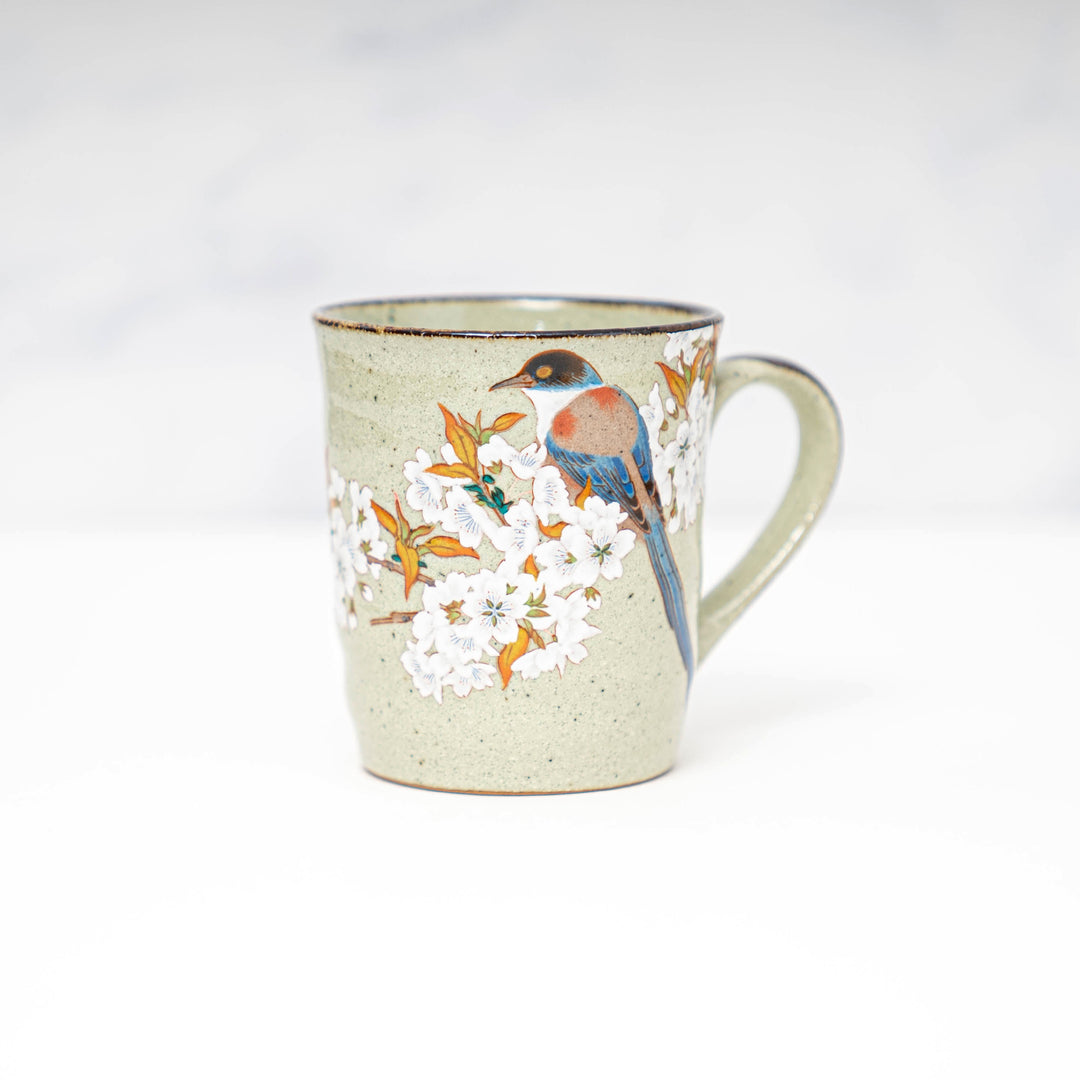
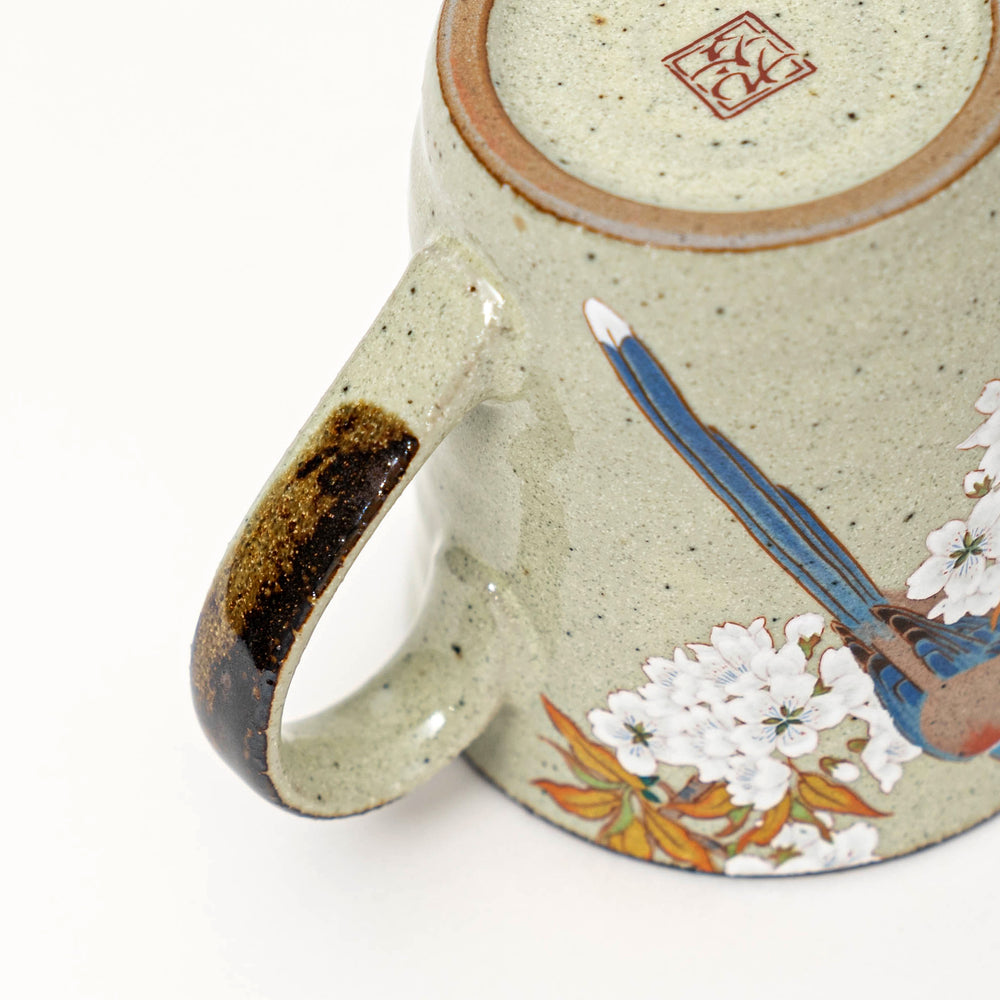
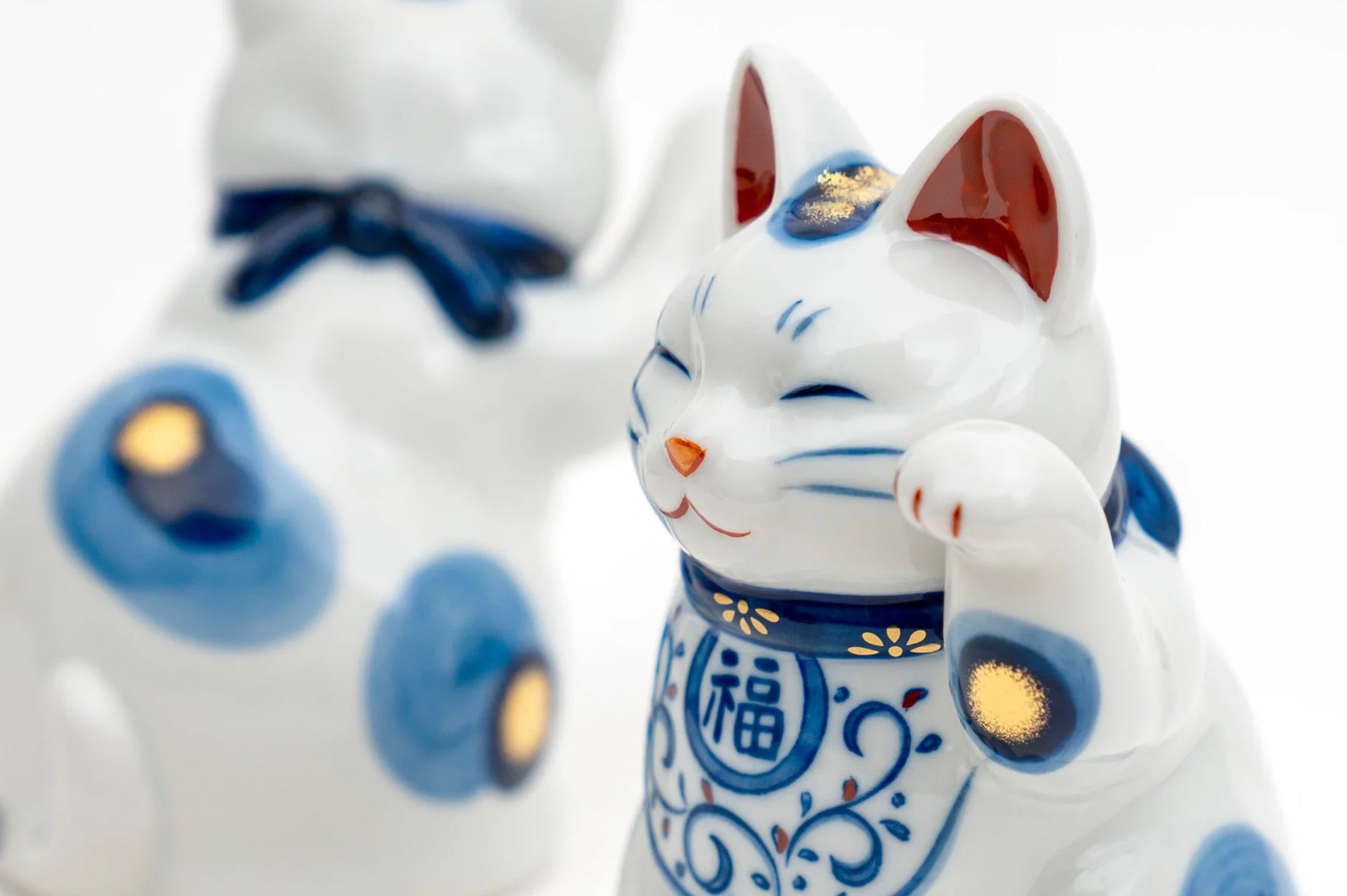
Whether you're looking for a Japanese coffee mug as a daily ritual piece, a hand-painted cat mug as a gift, or a cherry blossom mug to celebrate spring, you'll find it here. All pieces are made in Japan and ship directly from our US warehouse. In-store pickup available in Great Neck, NY.
Exploring Japanese Mug Styles
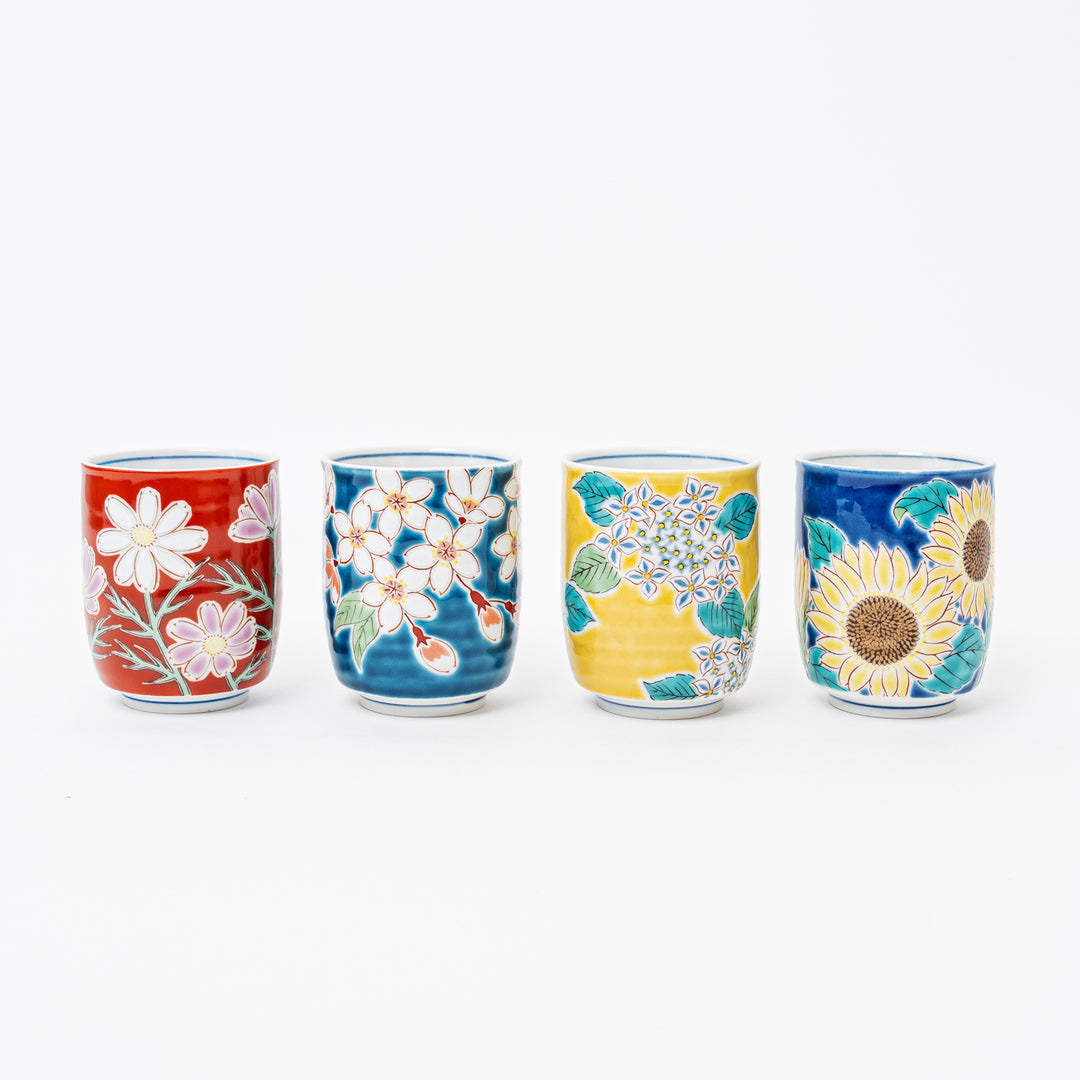
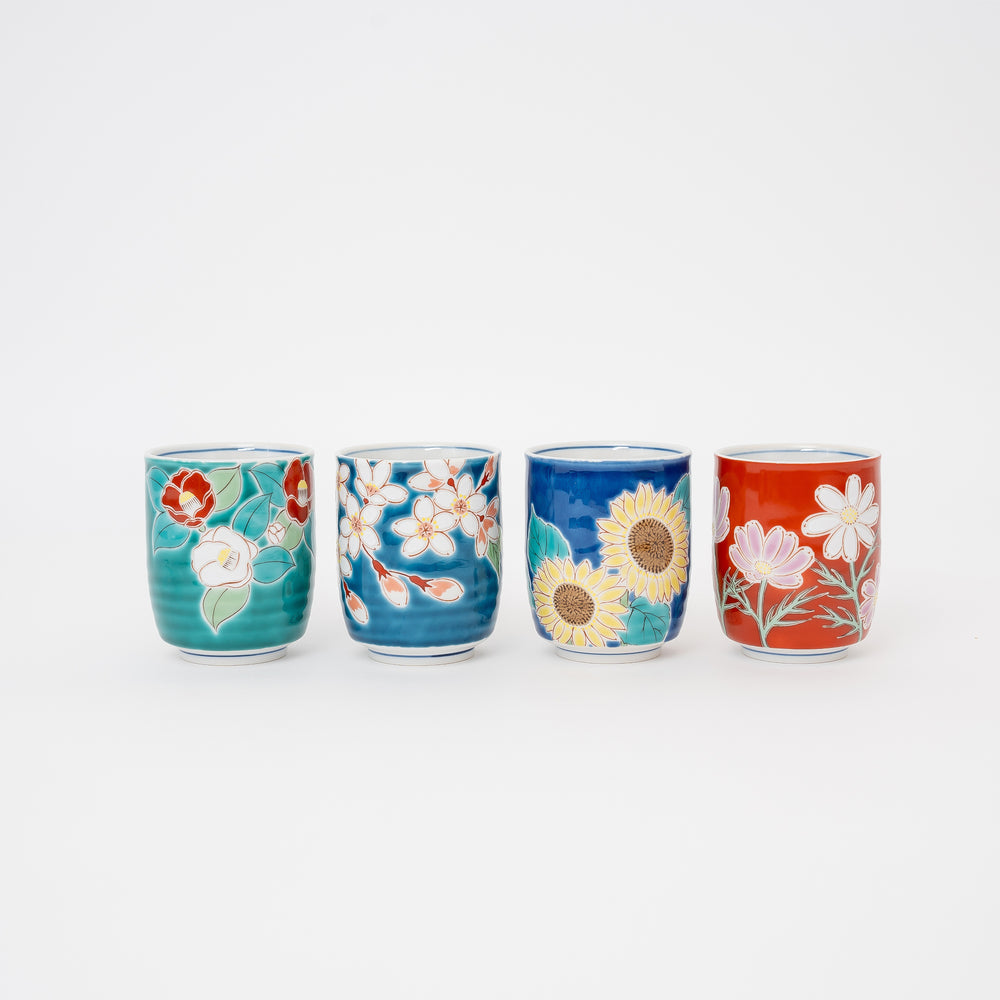
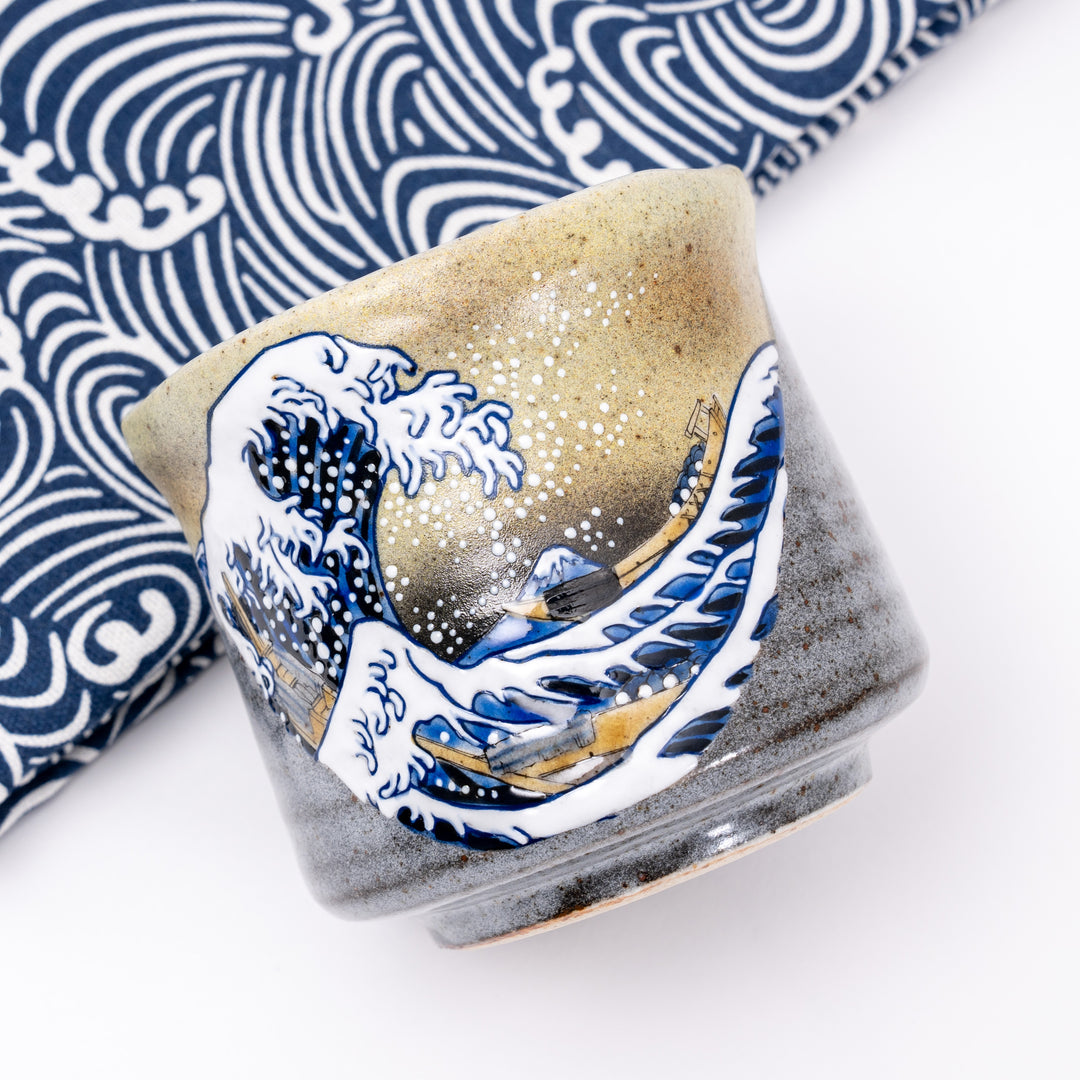
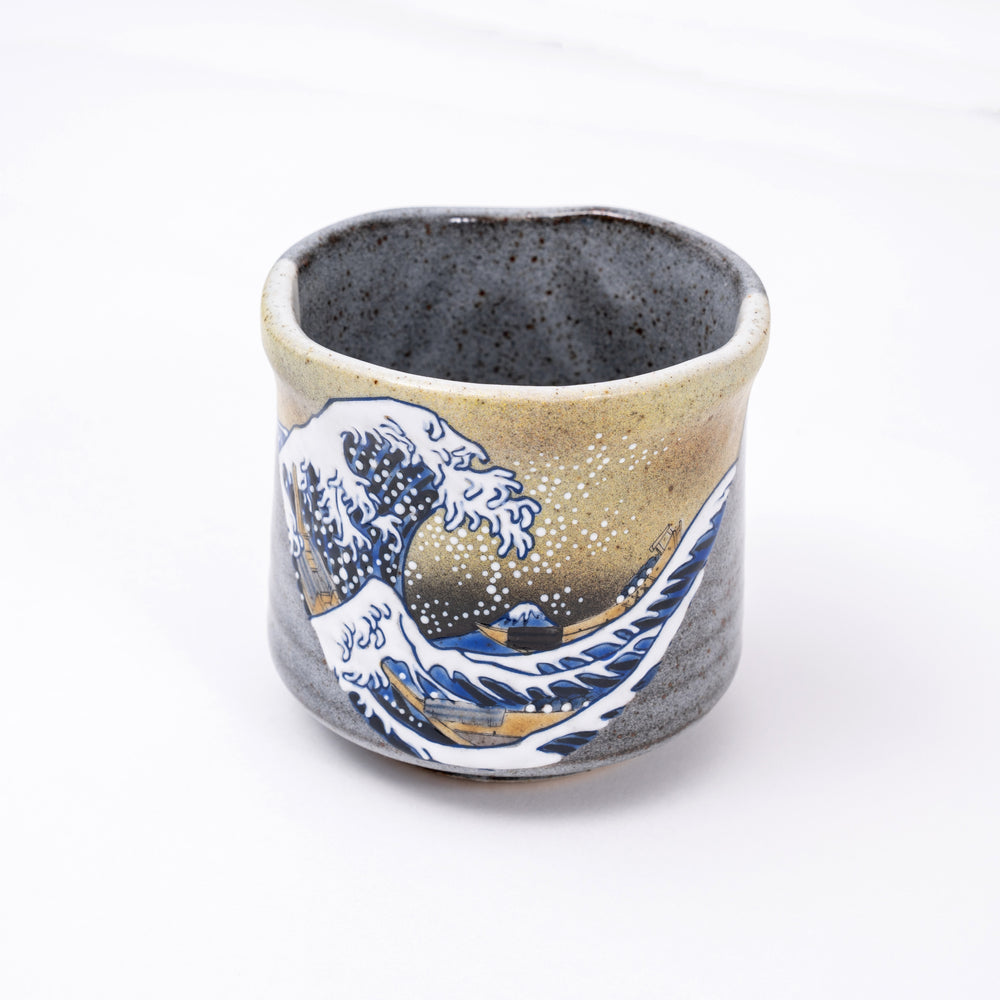
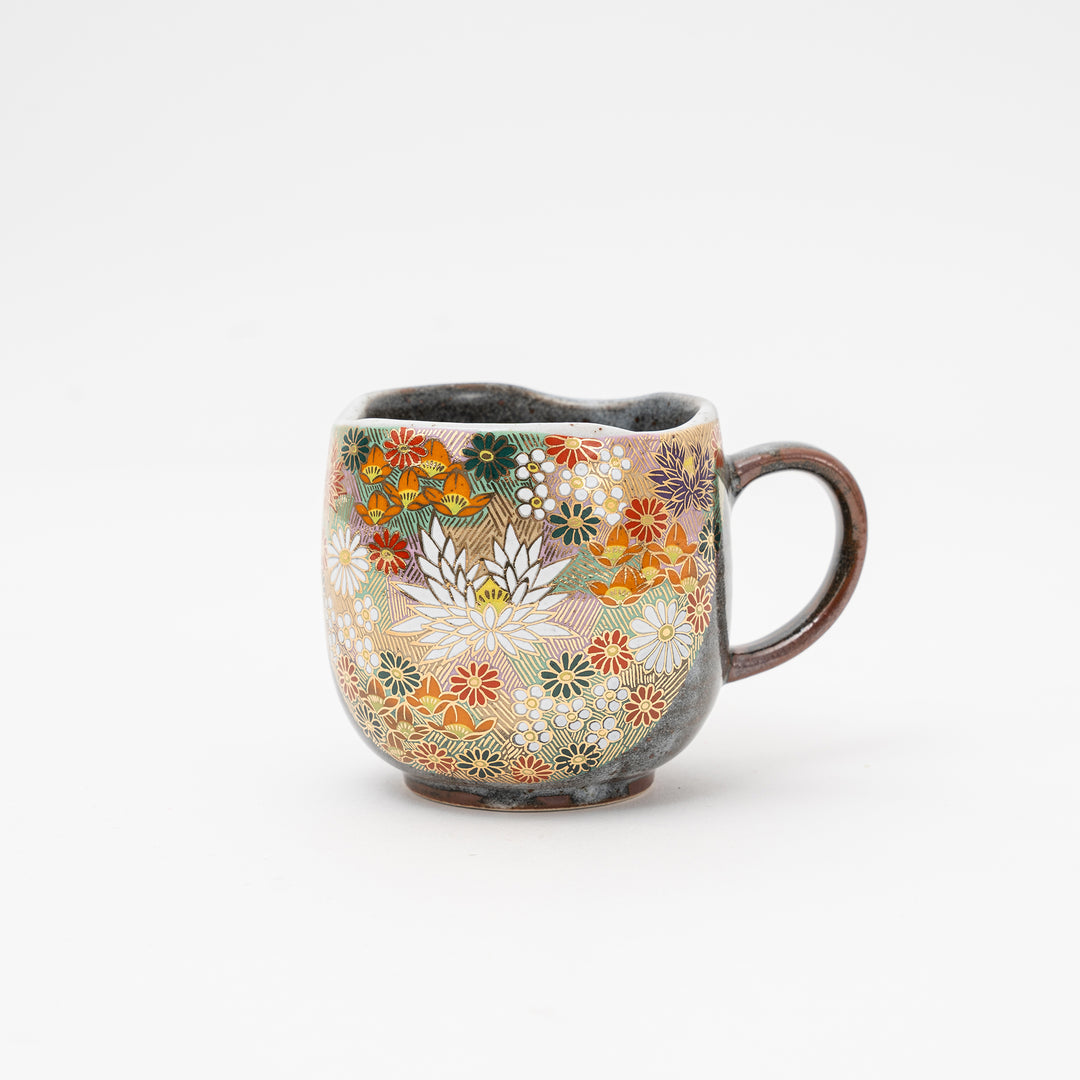
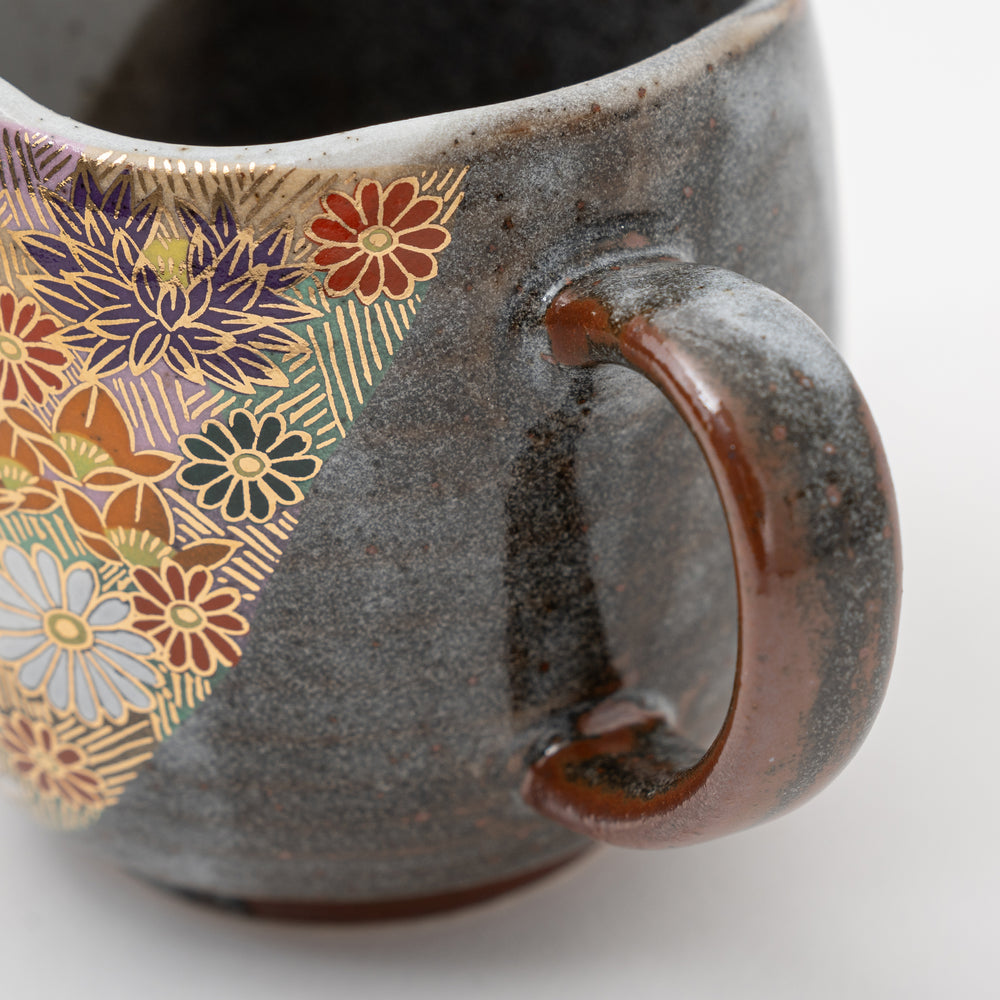
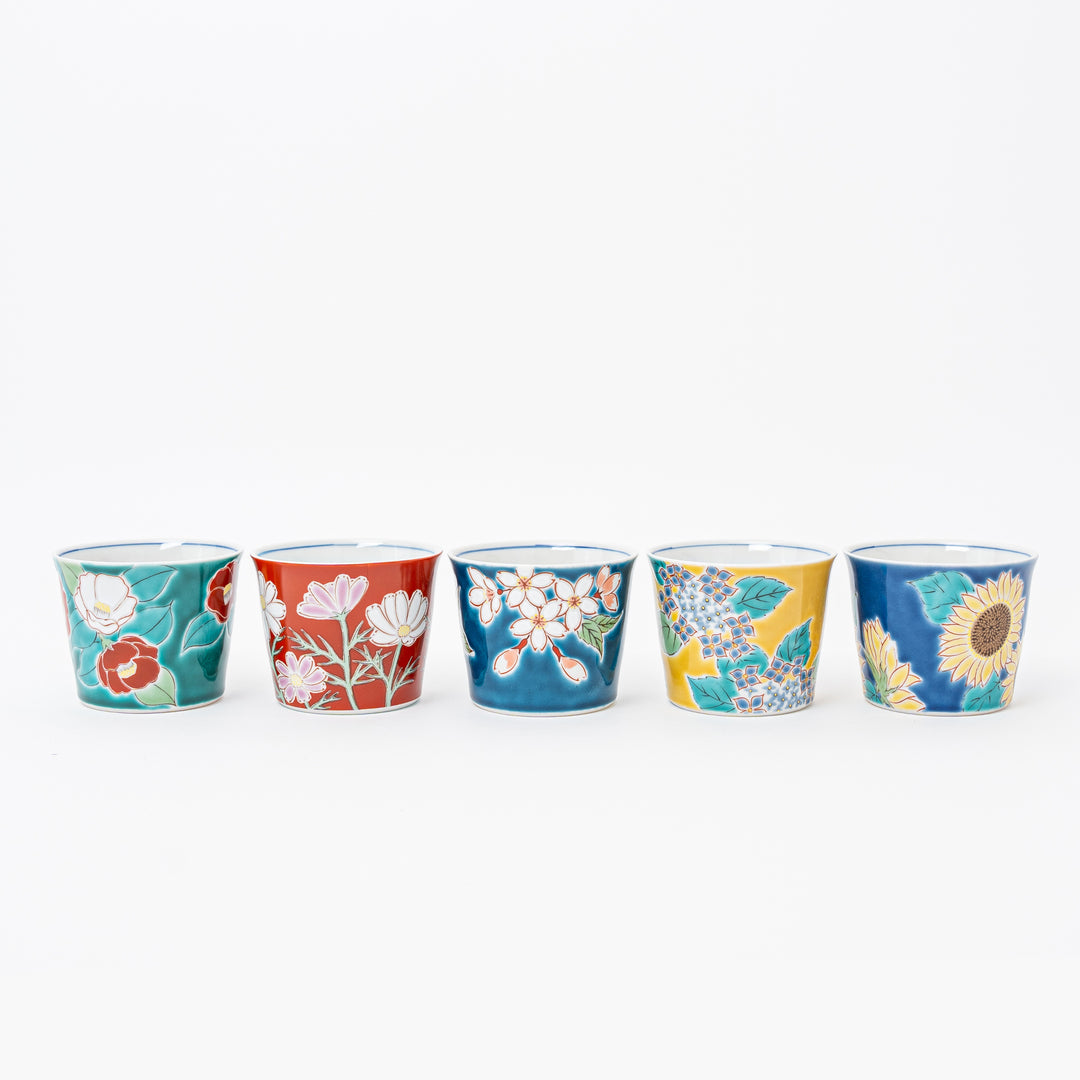
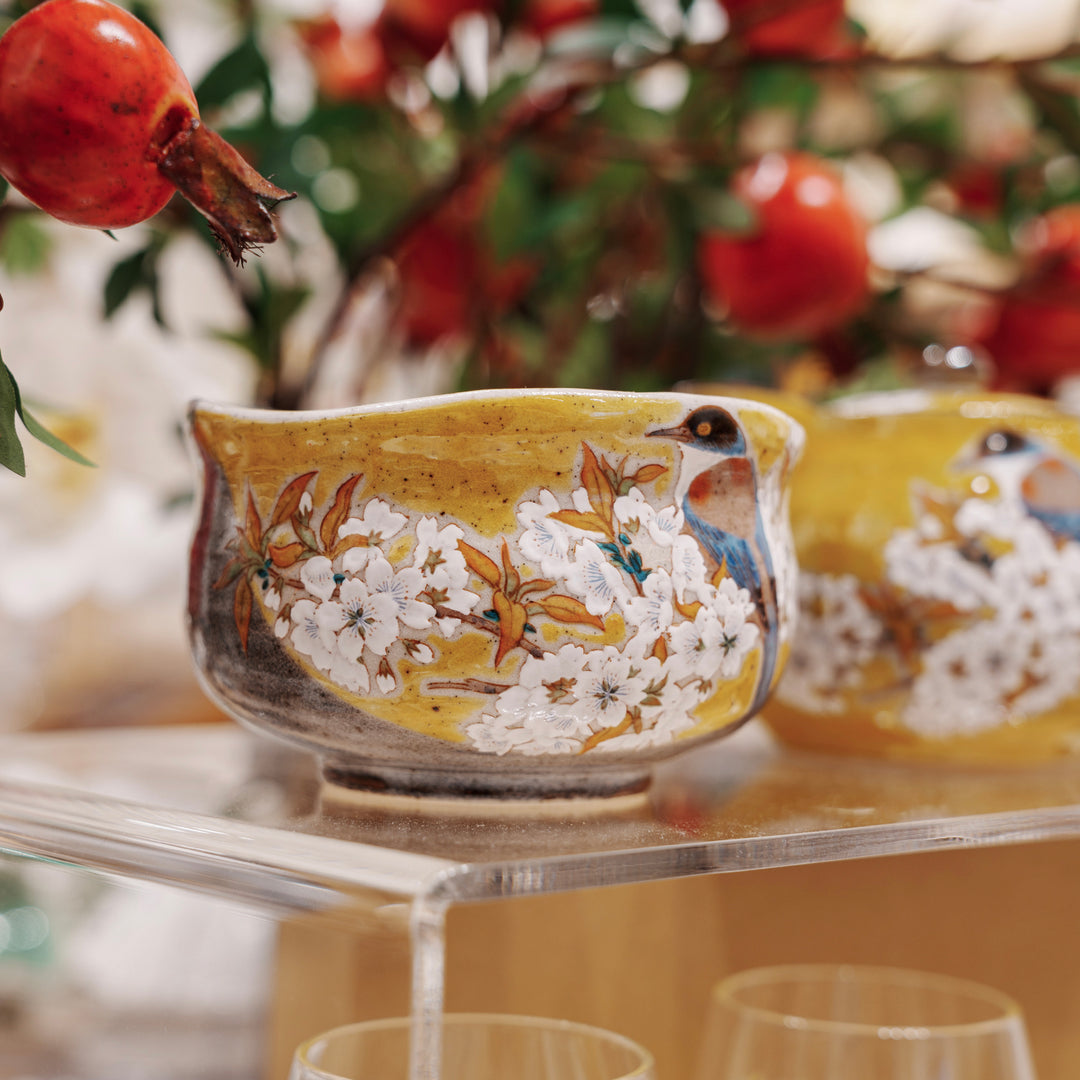
Kutani Ware (九谷焼) — Produced in Ishikawa Prefecture since the 17th century, Kutani mugs are instantly recognizable by their vivid overglaze painting in red, blue, green, yellow, and purple, often accented with gold. Each mug is painted by hand, making every piece unique.
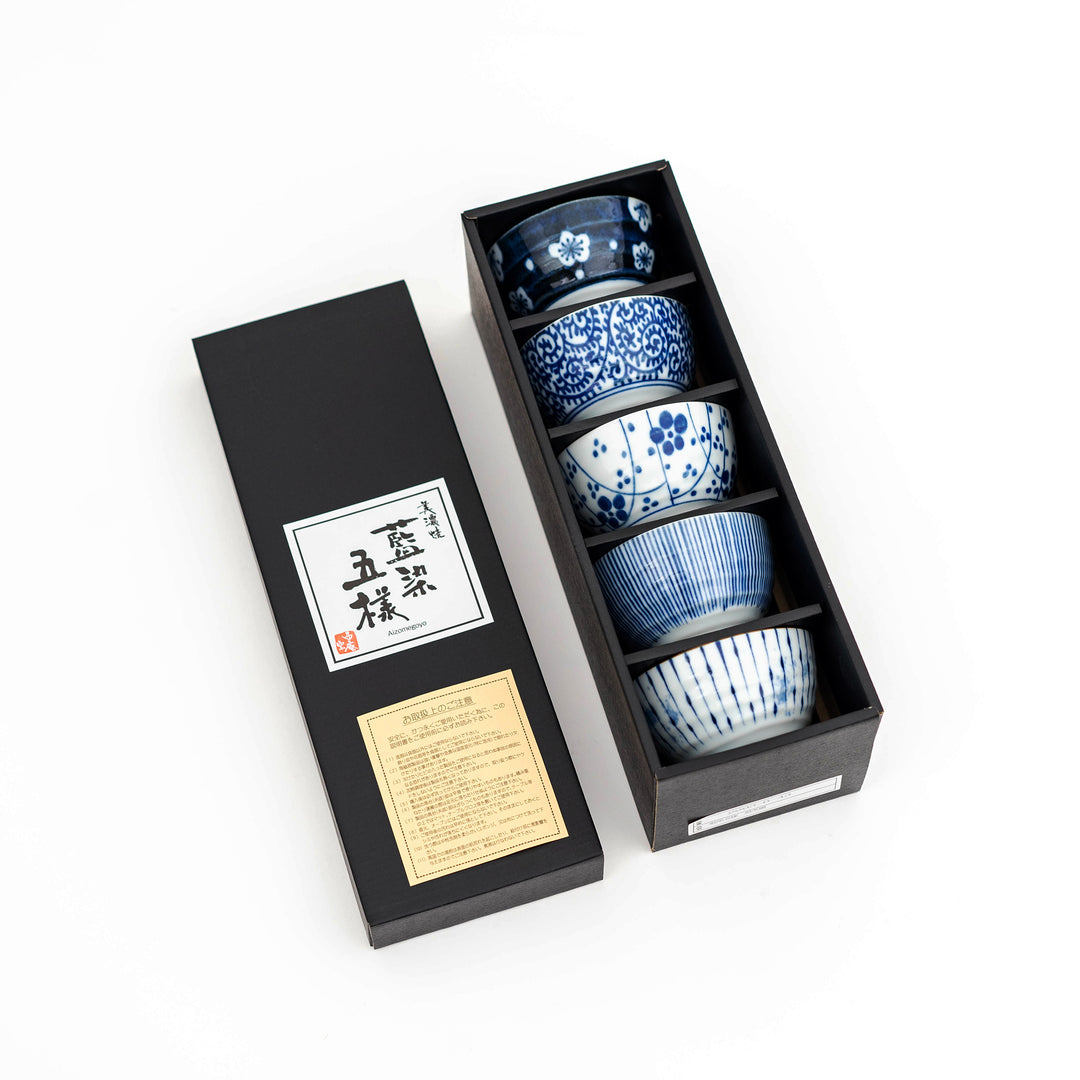
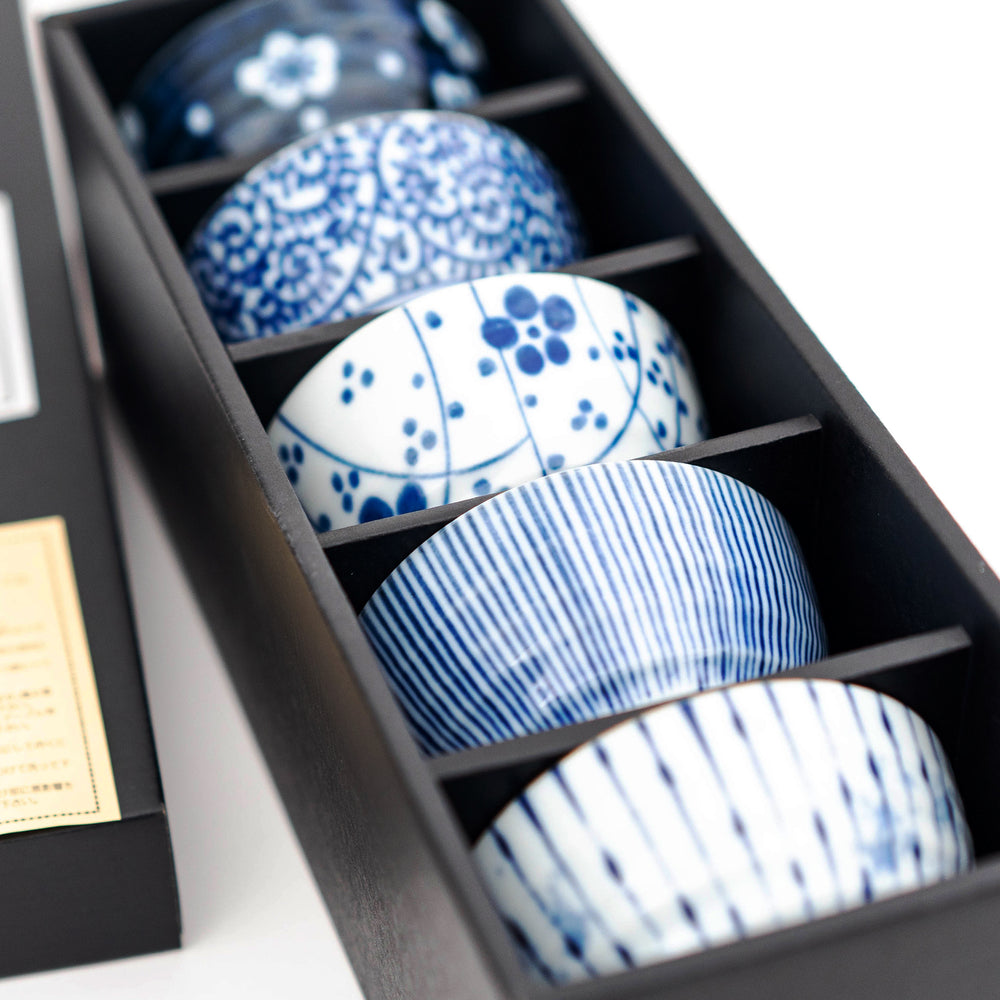
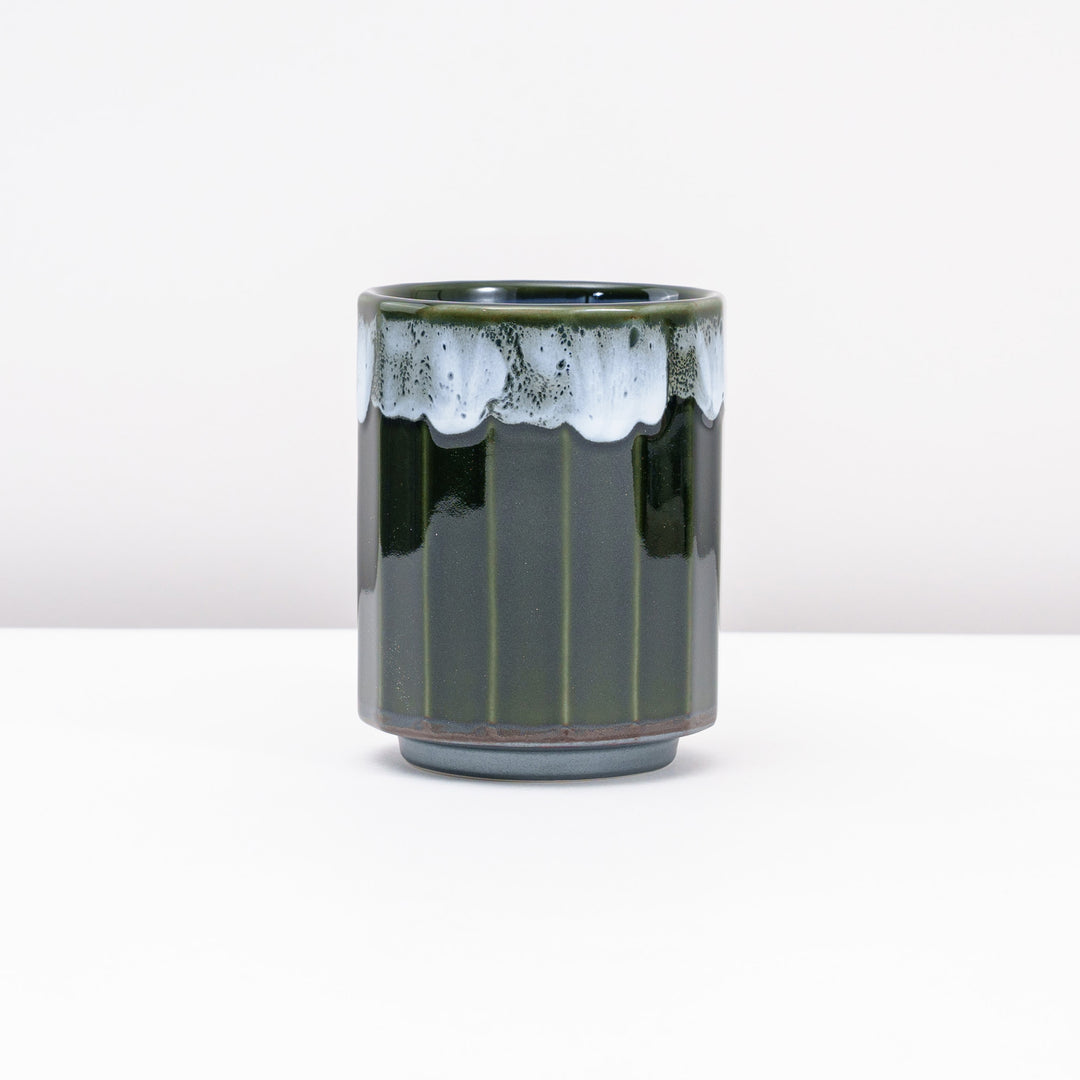
Mino Ware (美濃焼) — Accounting for nearly half of all Japanese ceramics production, Mino ware spans hundreds of styles — from Shino's milky white glaze to Oribe's bold green patterns. Mino mugs are beloved for their everyday warmth and durability.
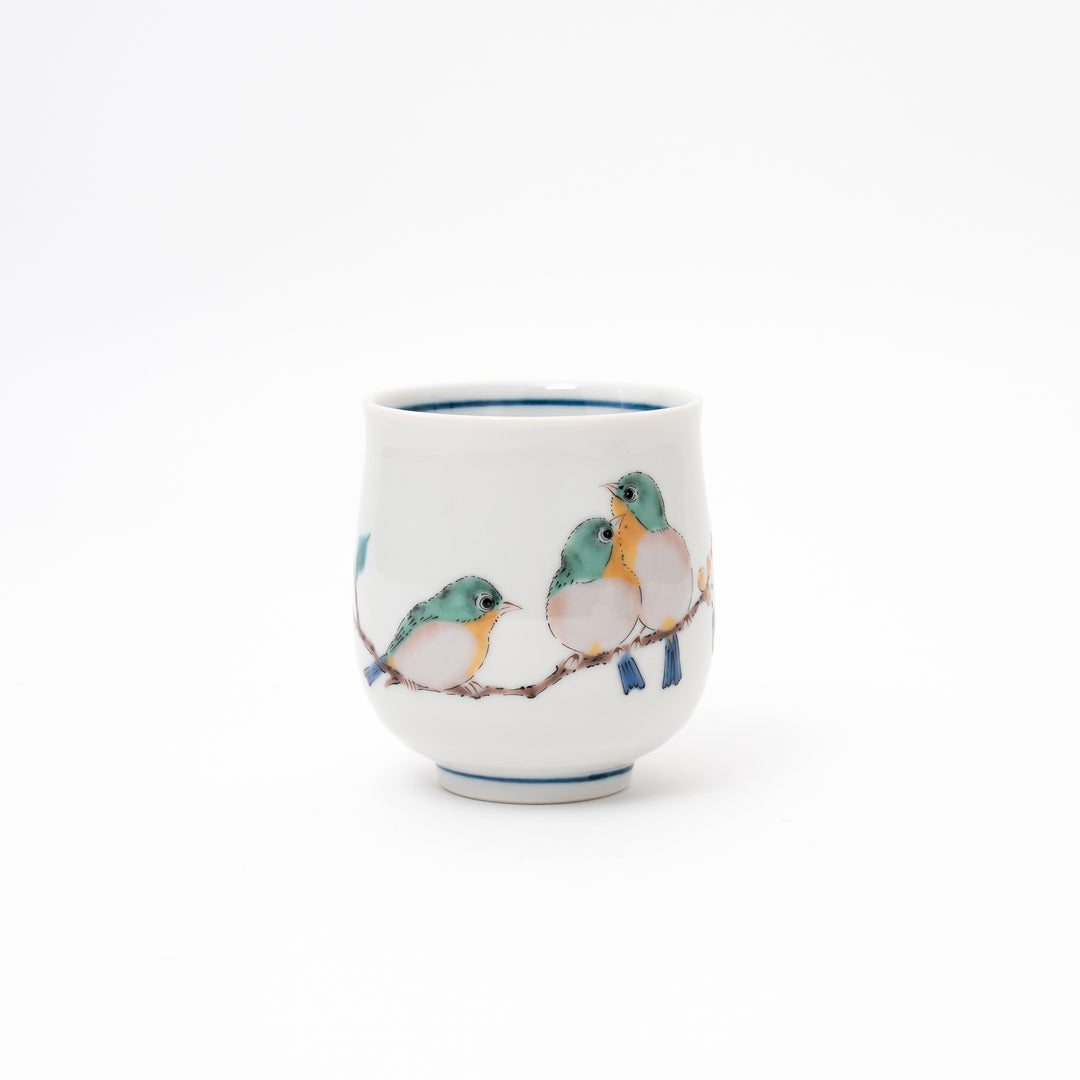
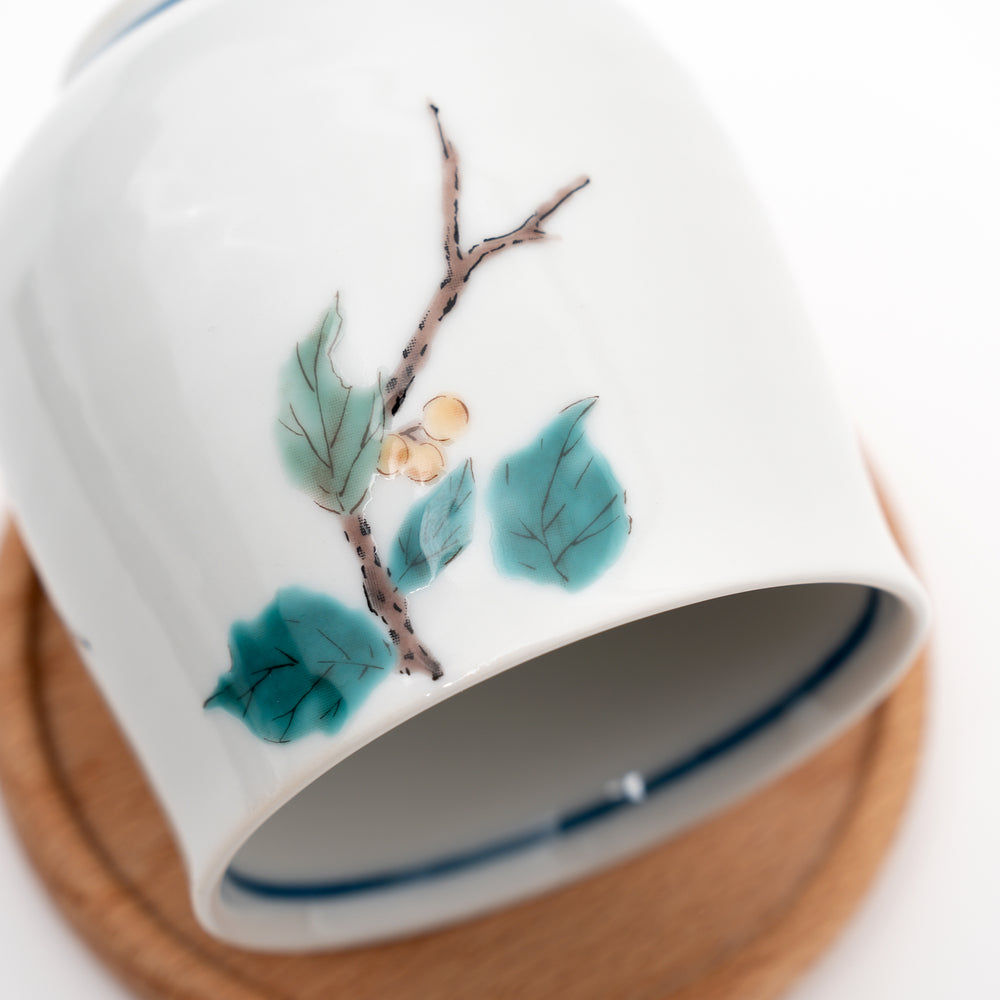
Seto Ware (瀬戸焼) — One of Japan's oldest ceramic traditions, Seto ware is known for its refined, understated elegance. Seto mugs often feature delicate hand-painted motifs — cats, flowers, seasonal scenes — on a clean porcelain base.
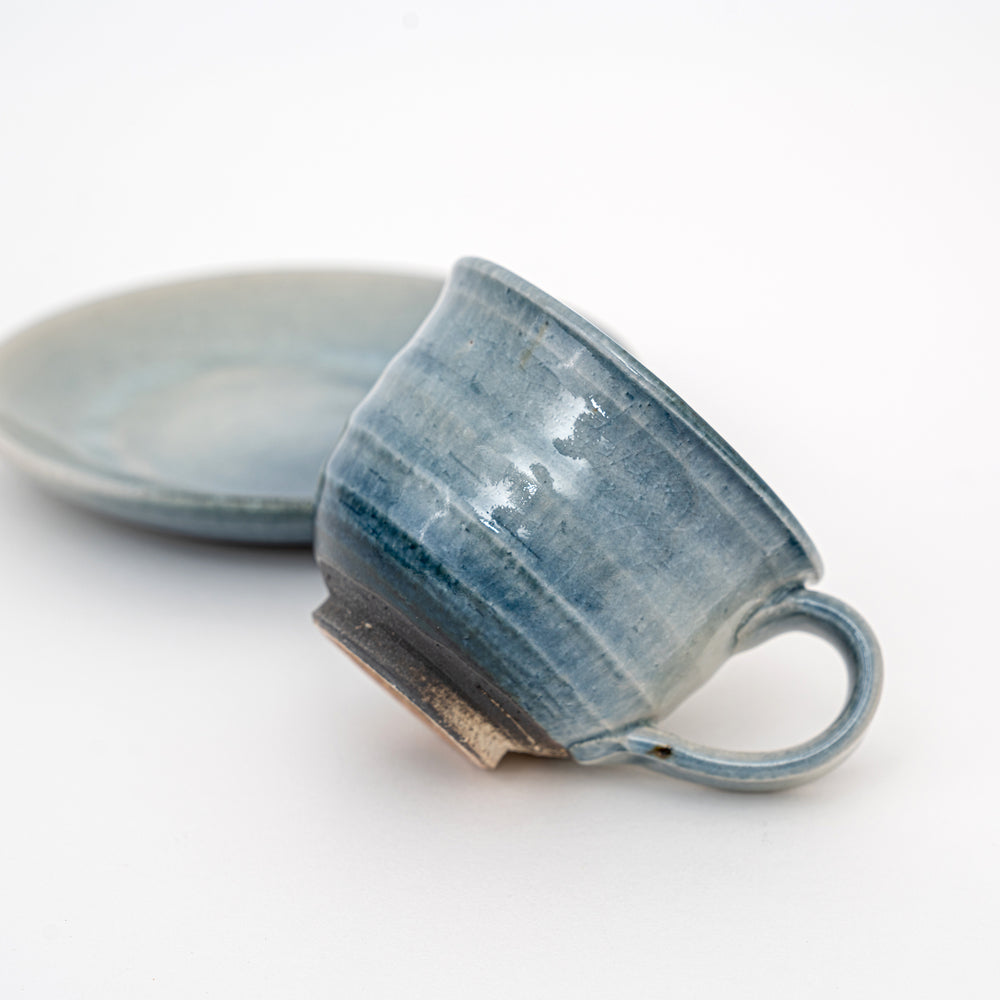
Shigaraki Ware (信楽焼) — Made from the iron-rich clay of Shiga Prefecture, Shigaraki mugs have a distinctive rough texture and natural ash glaze. No two pieces are alike — each one carries the unique marks of the kiln fire.