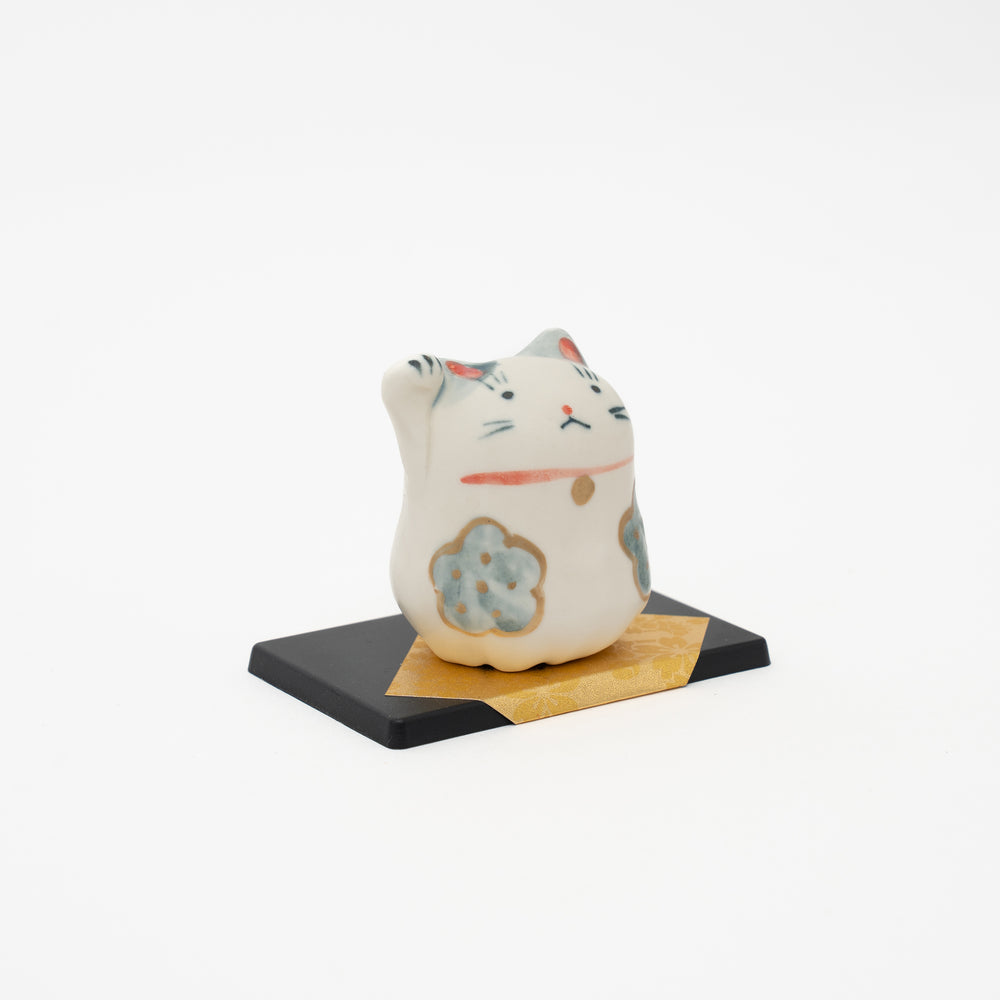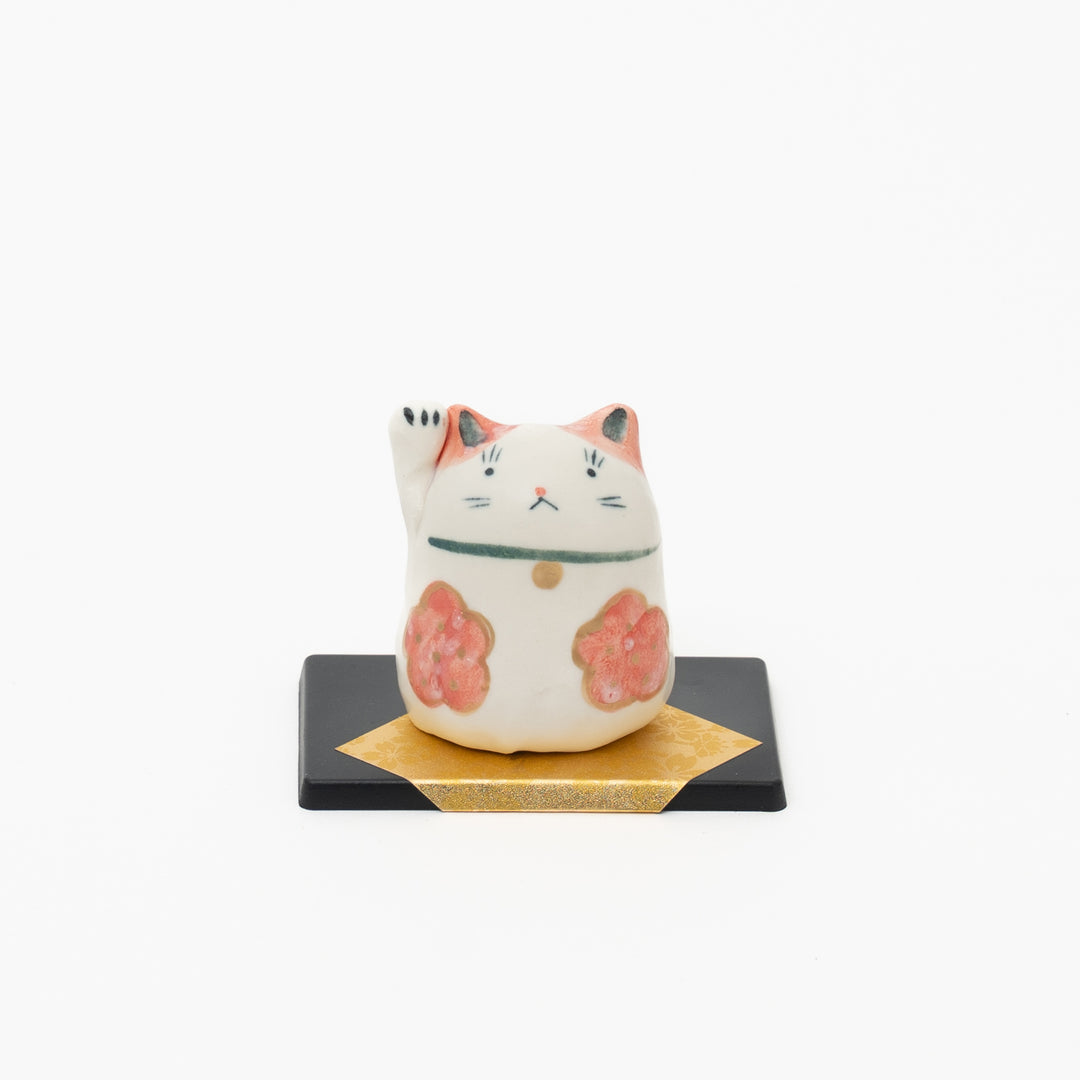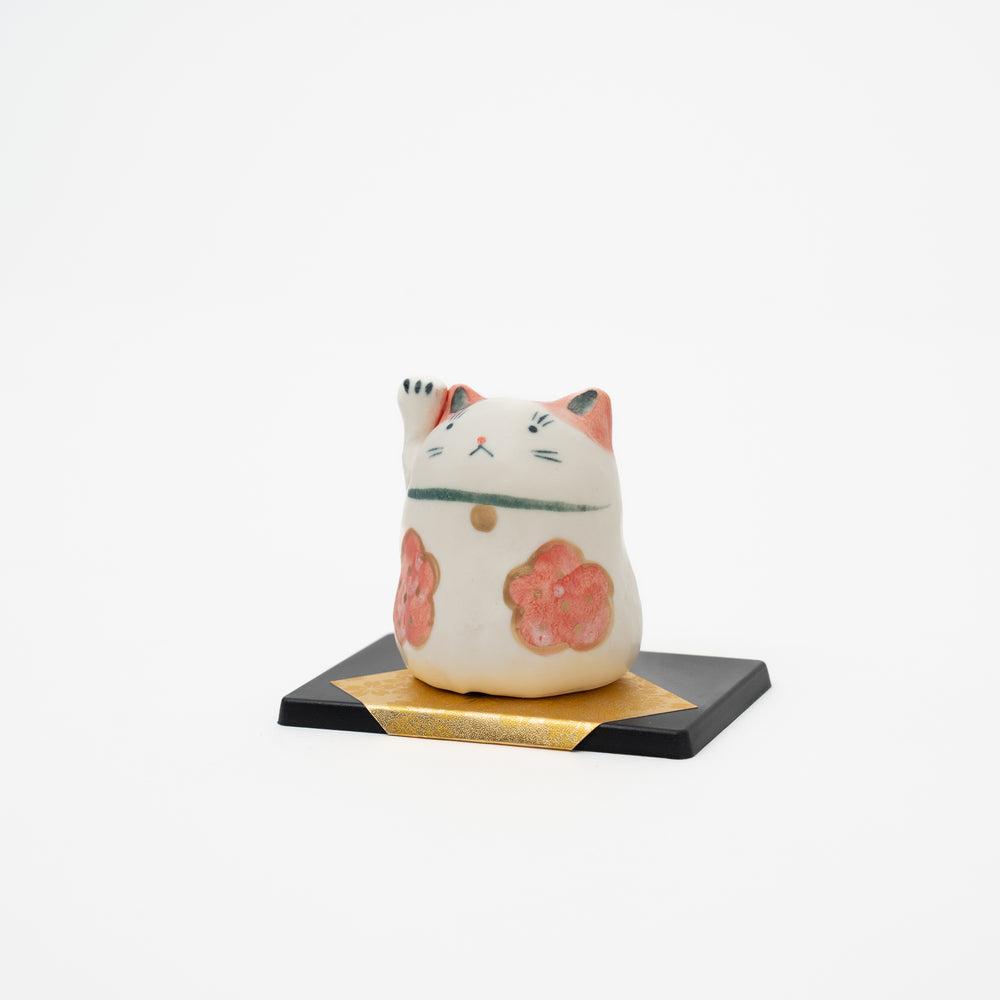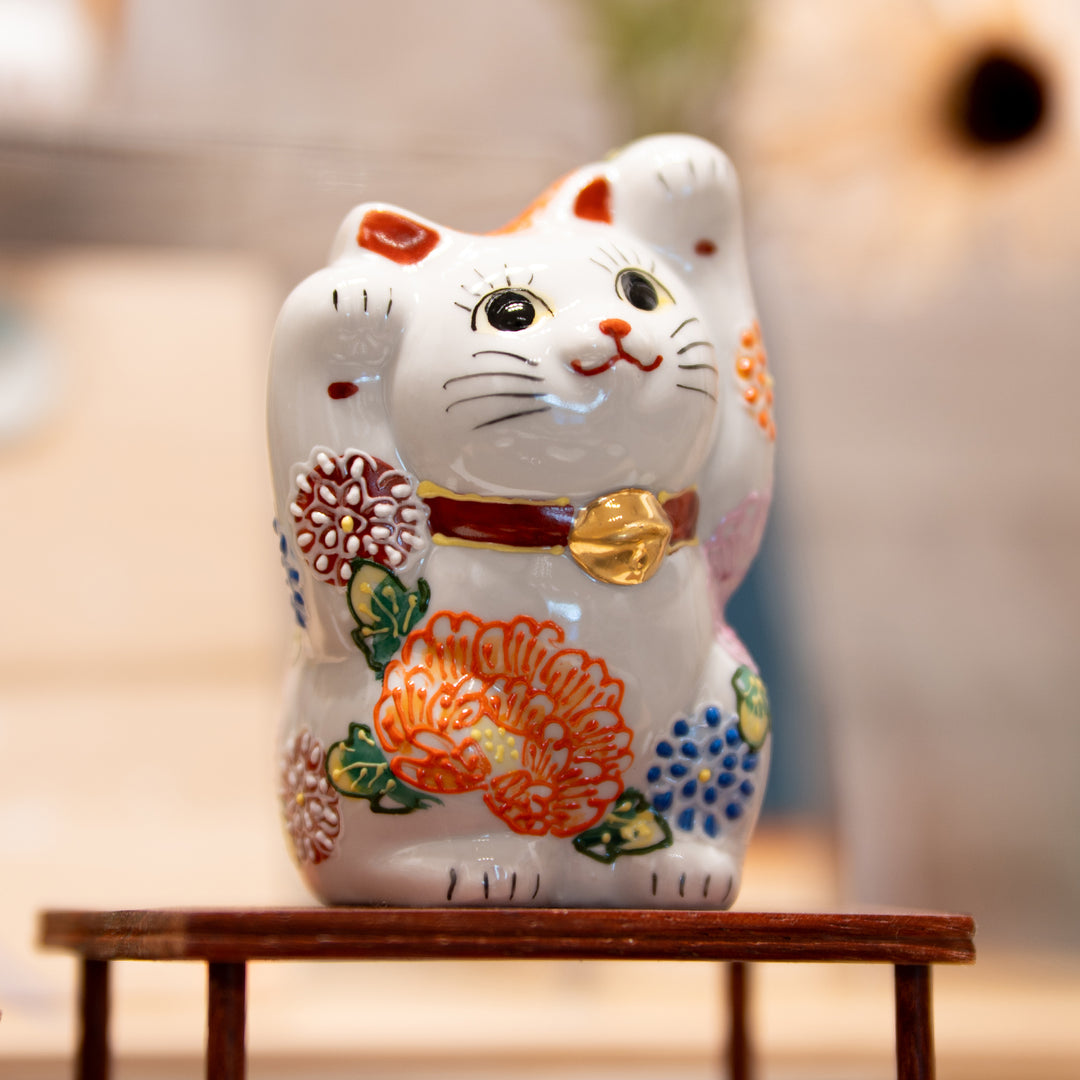





Maneki neko Beckoning cat
The Art of the Maneki-Neko
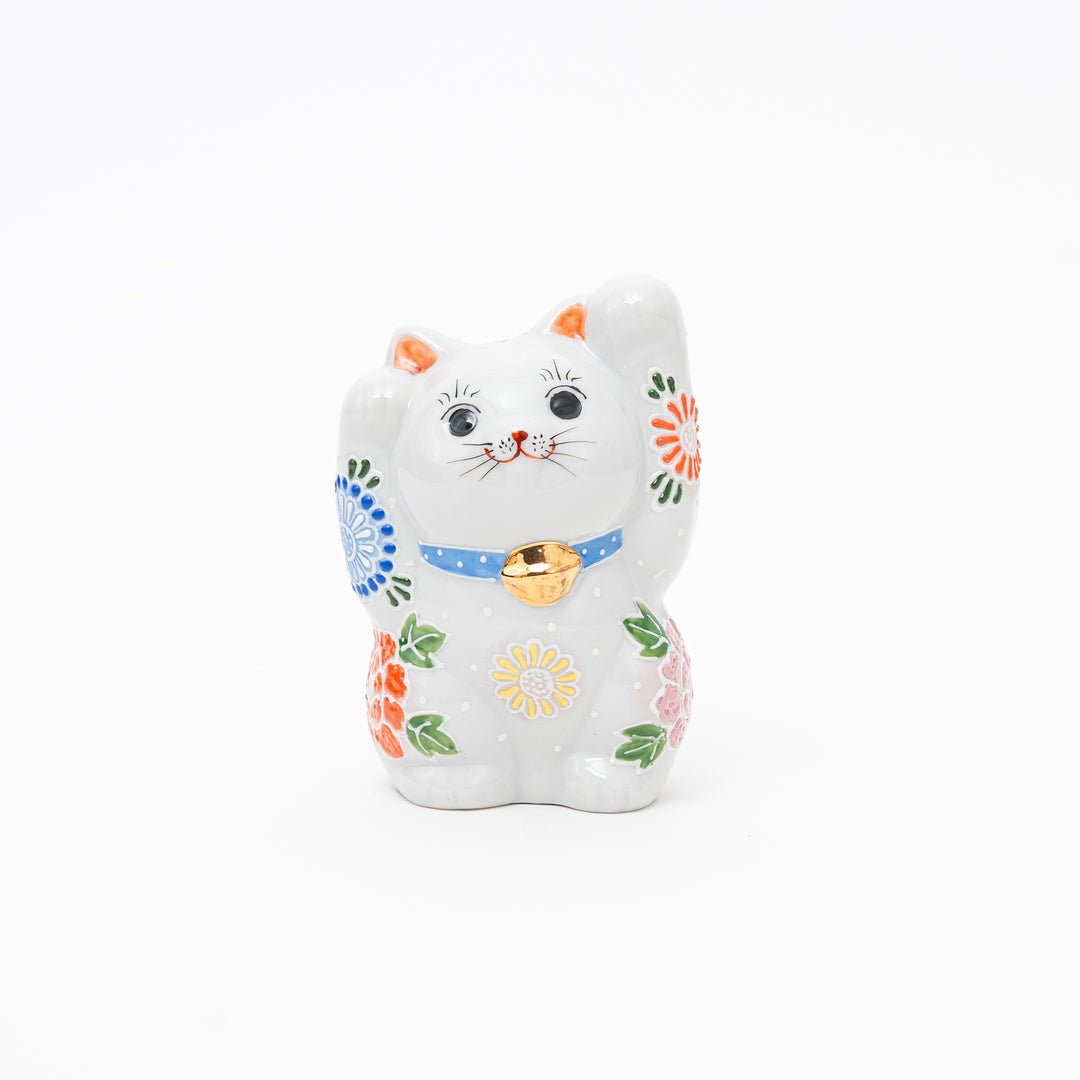
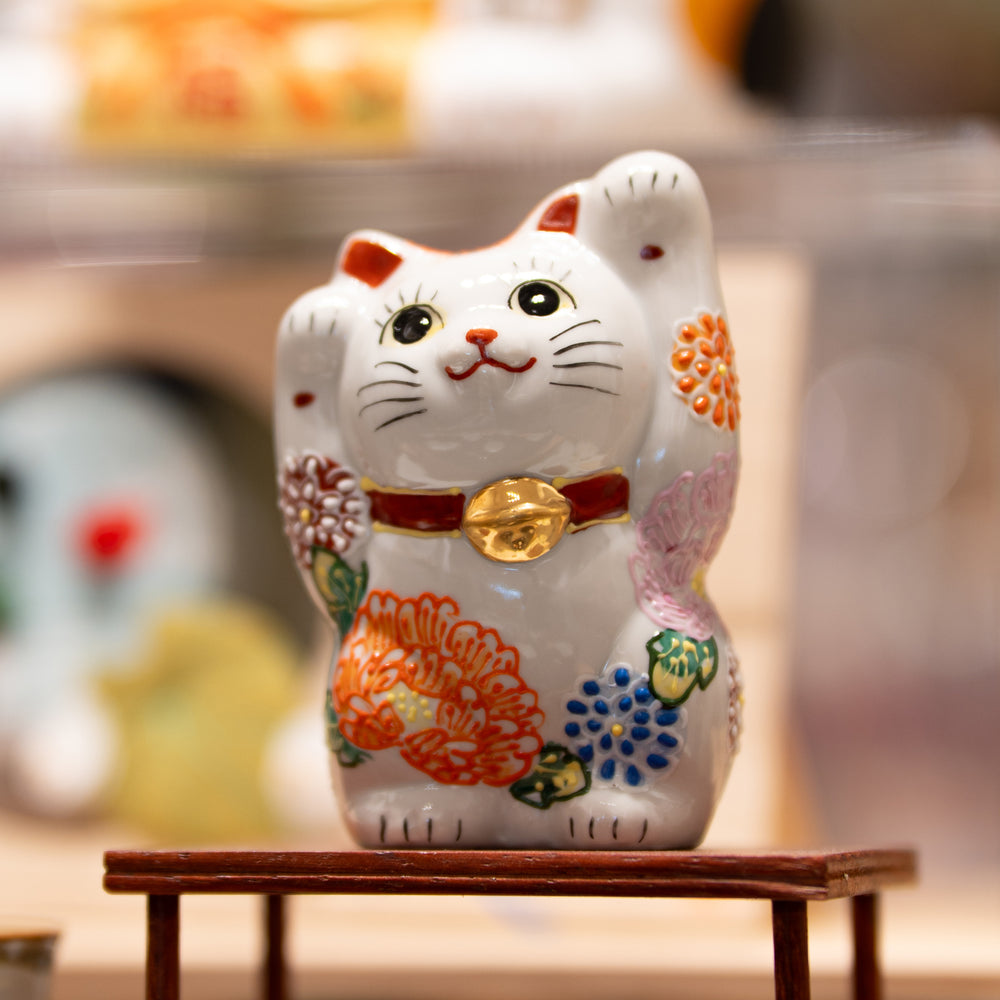
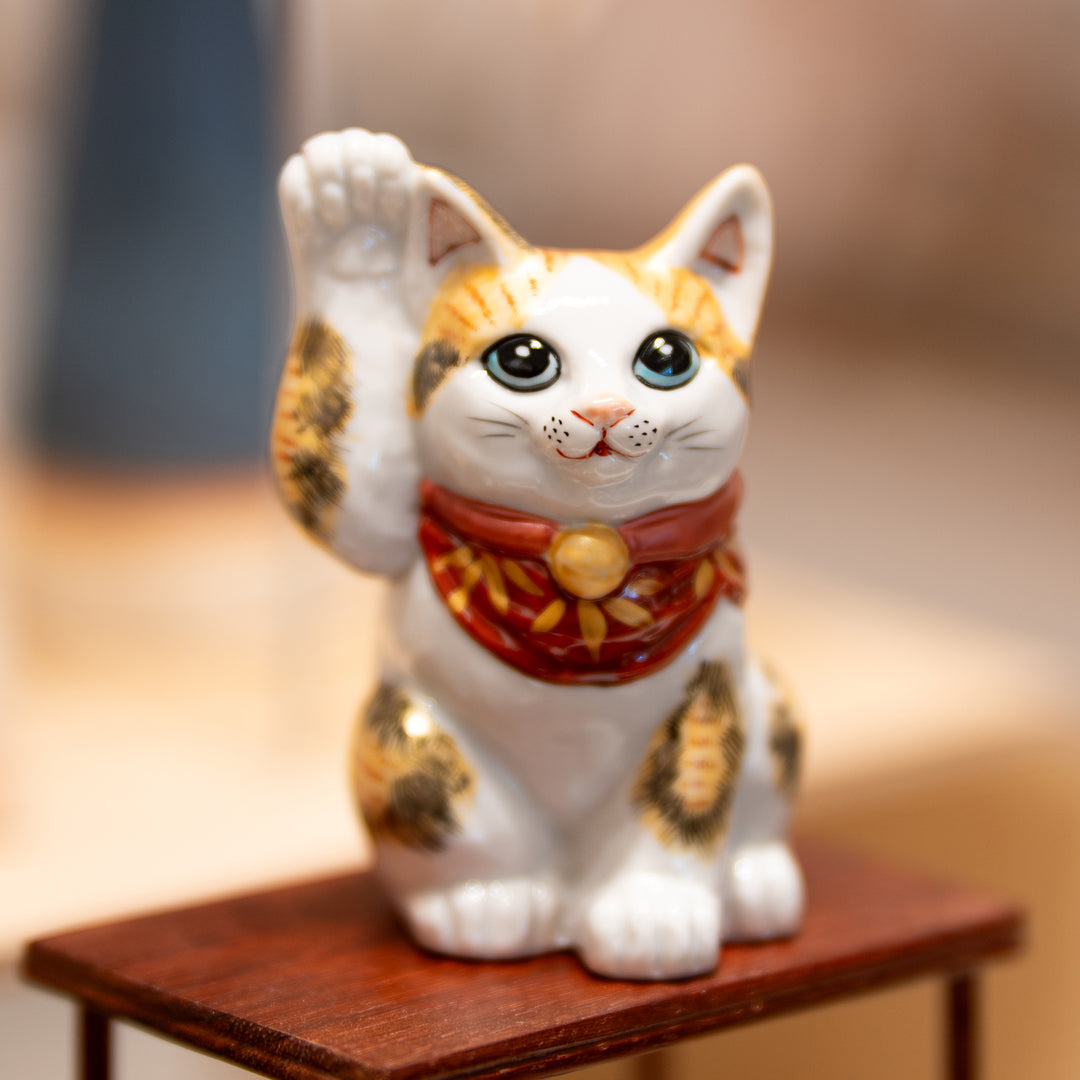
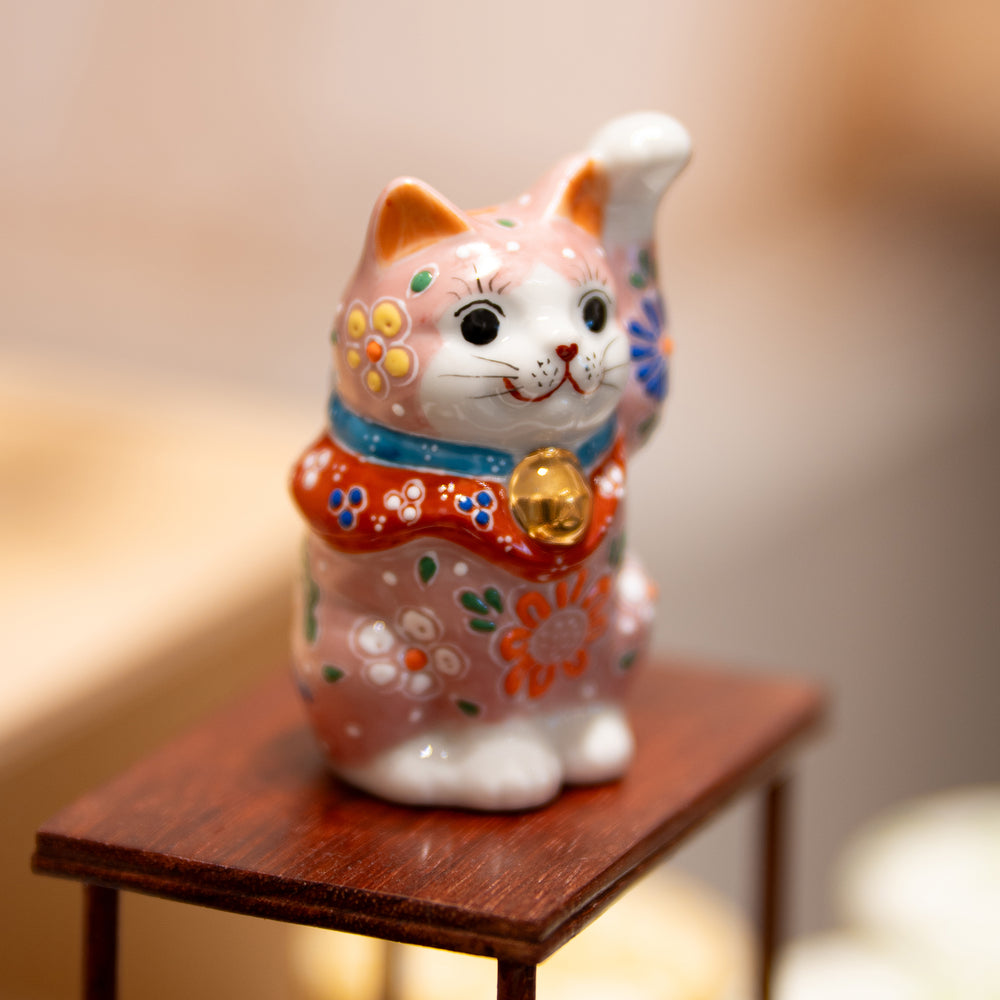
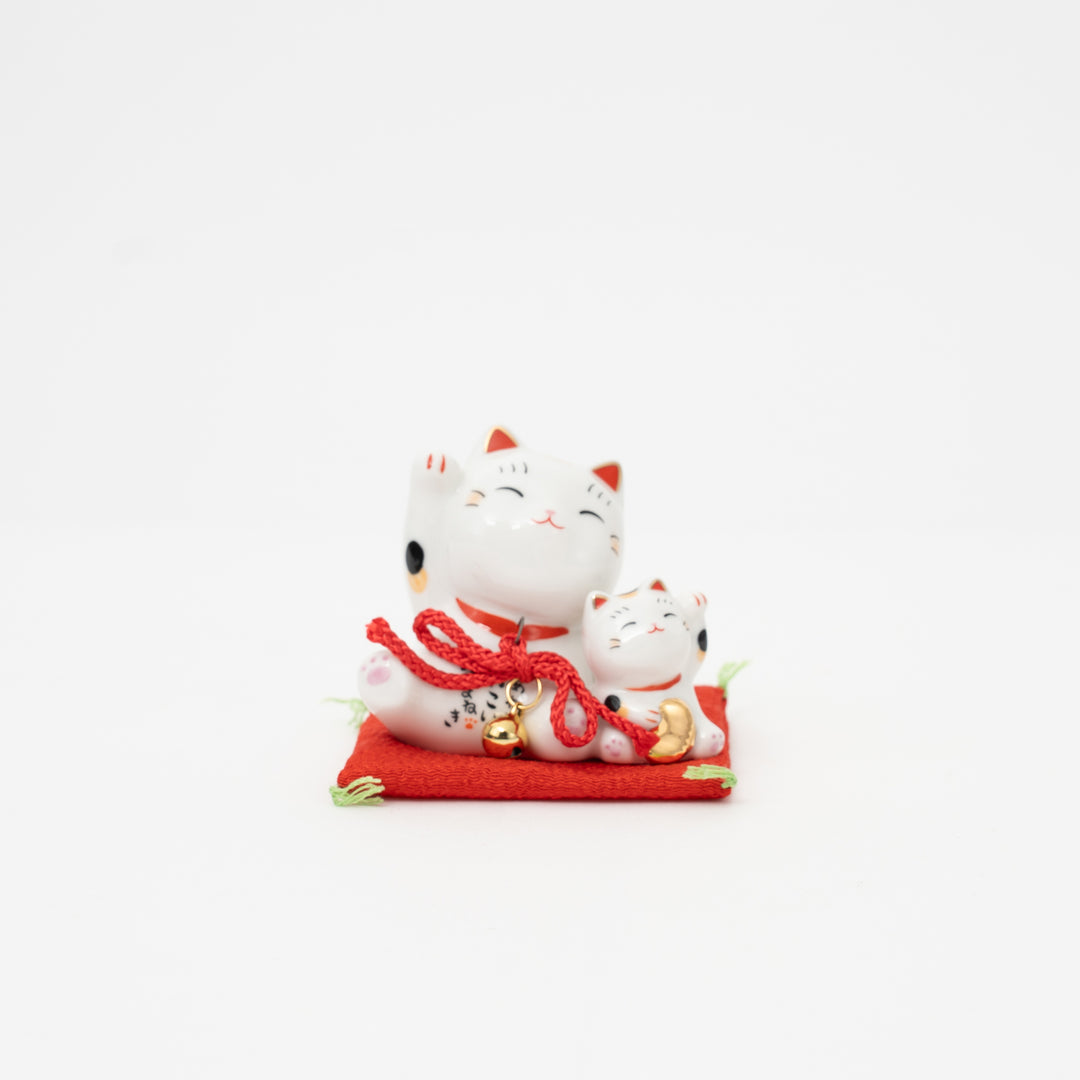
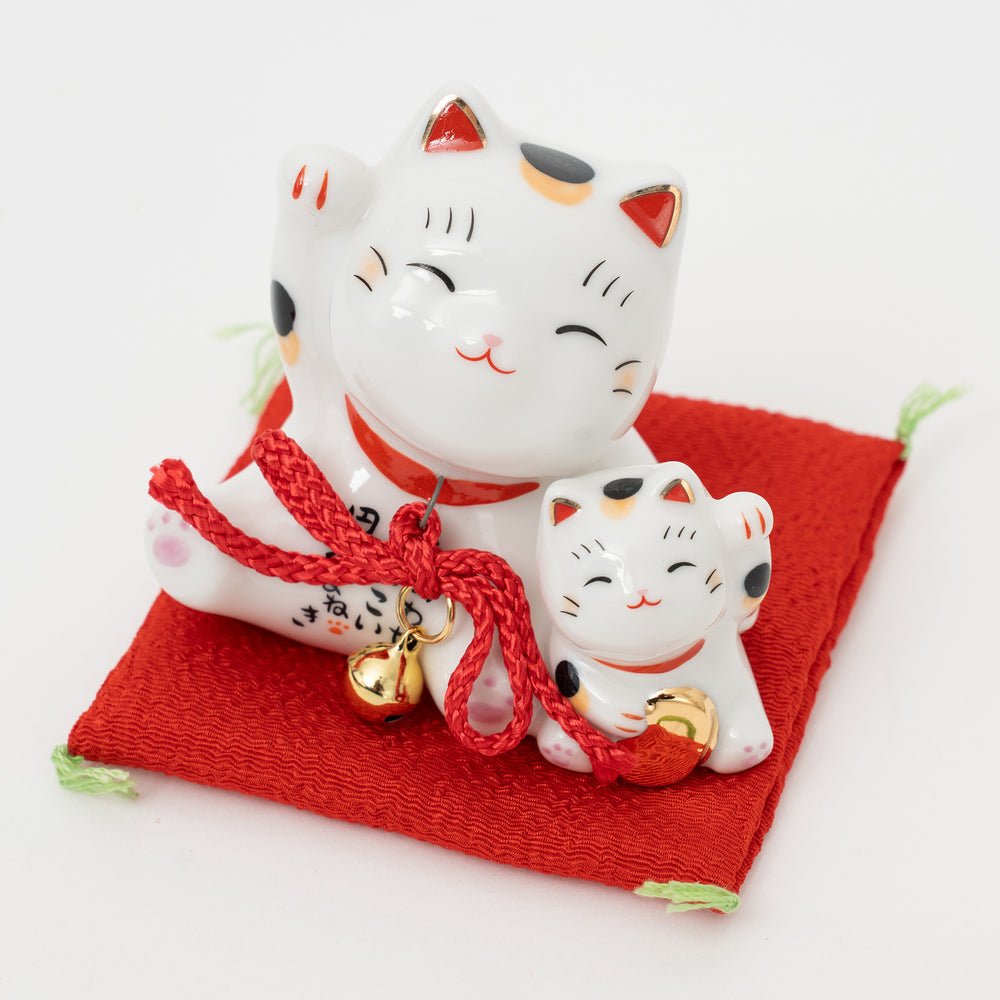
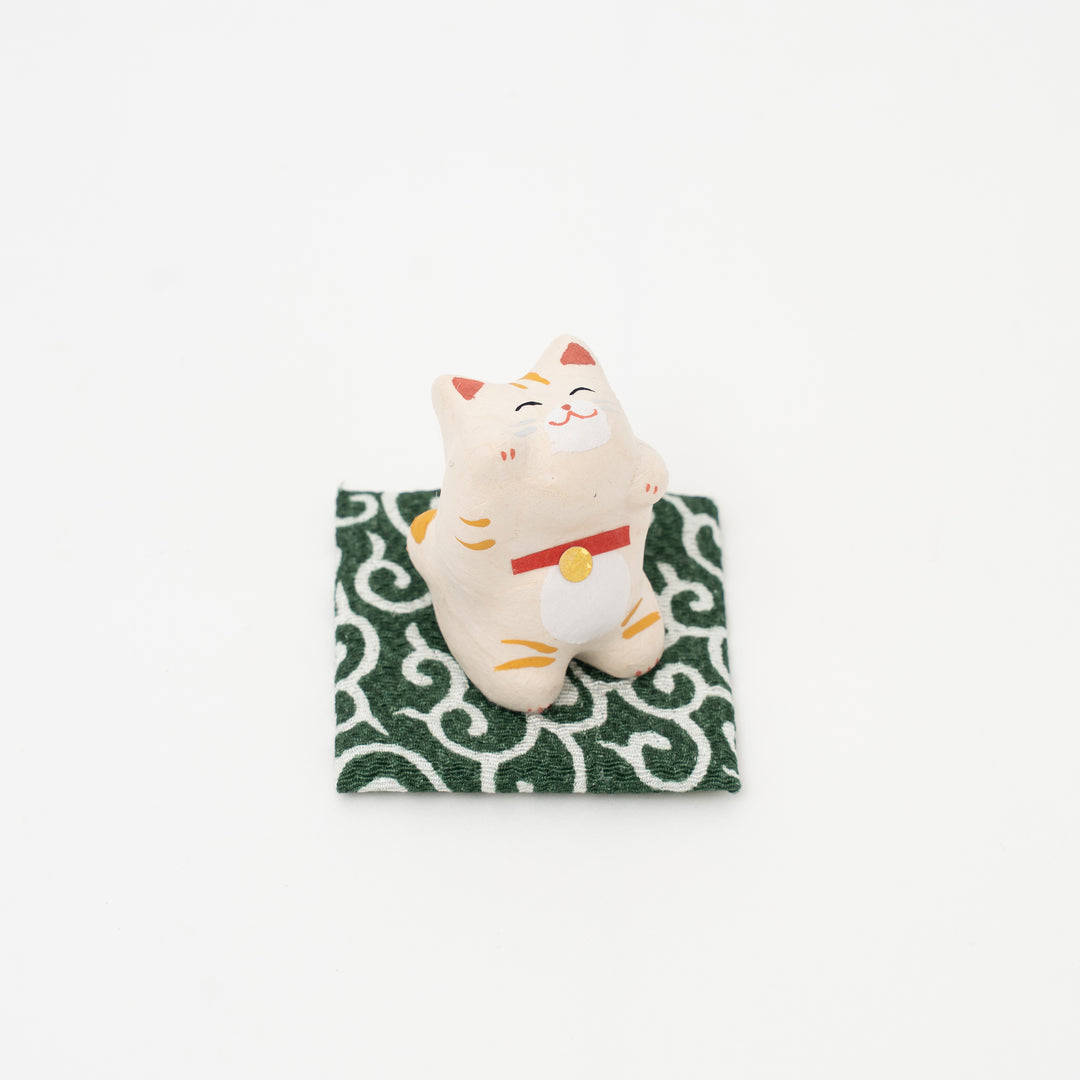
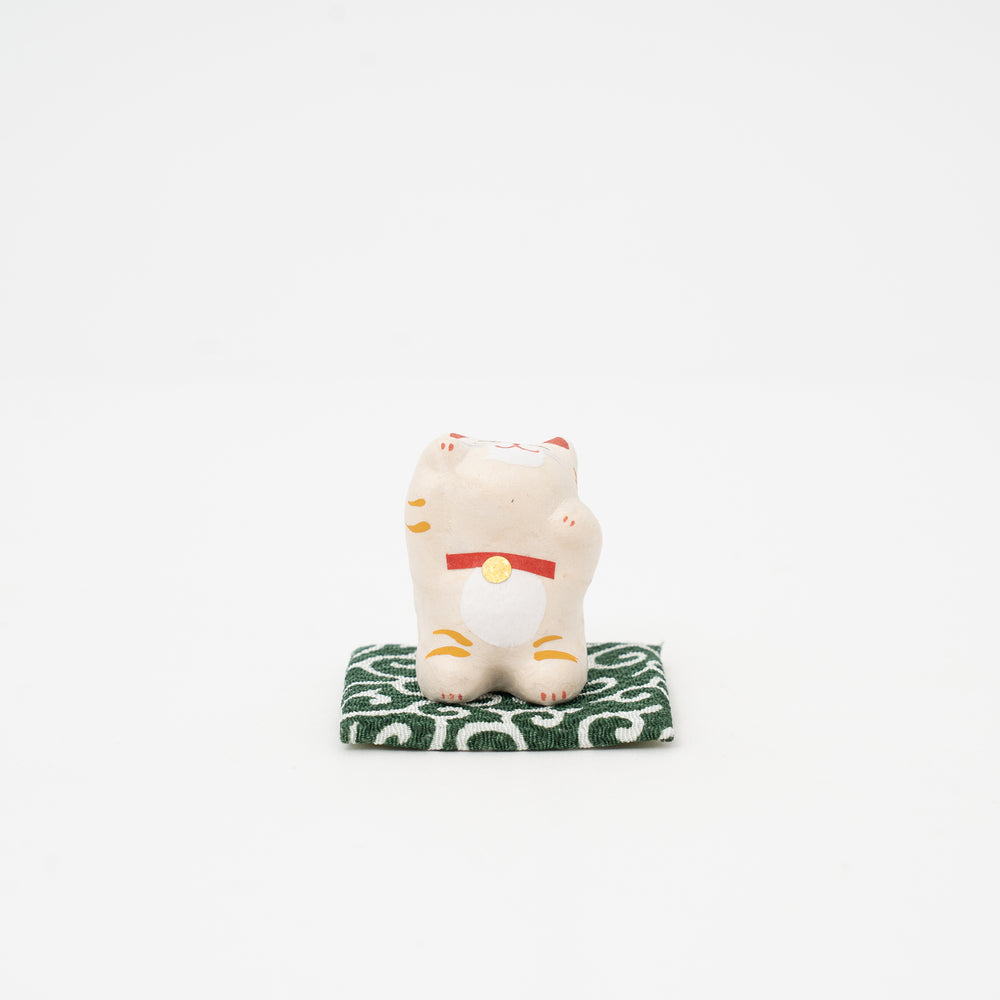
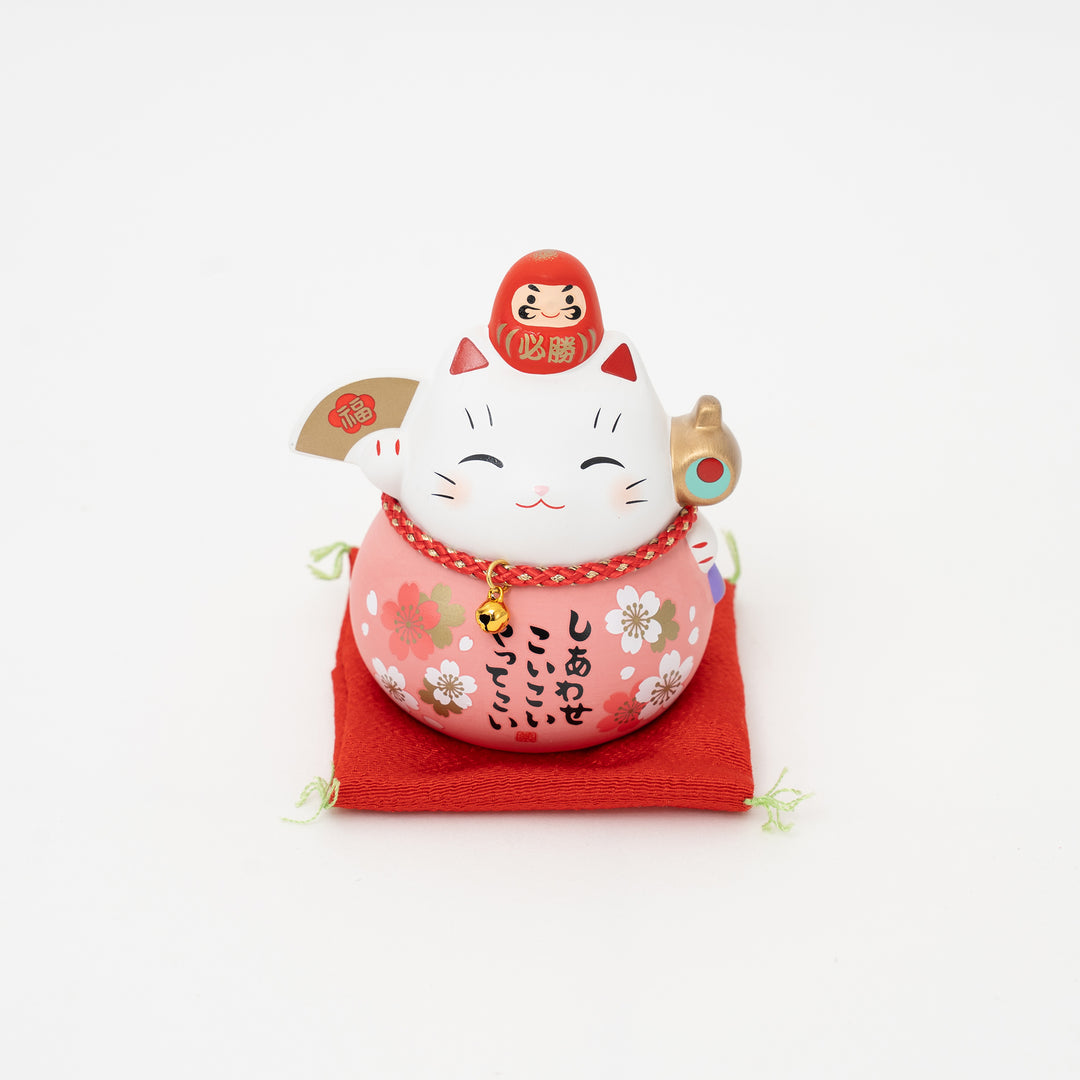
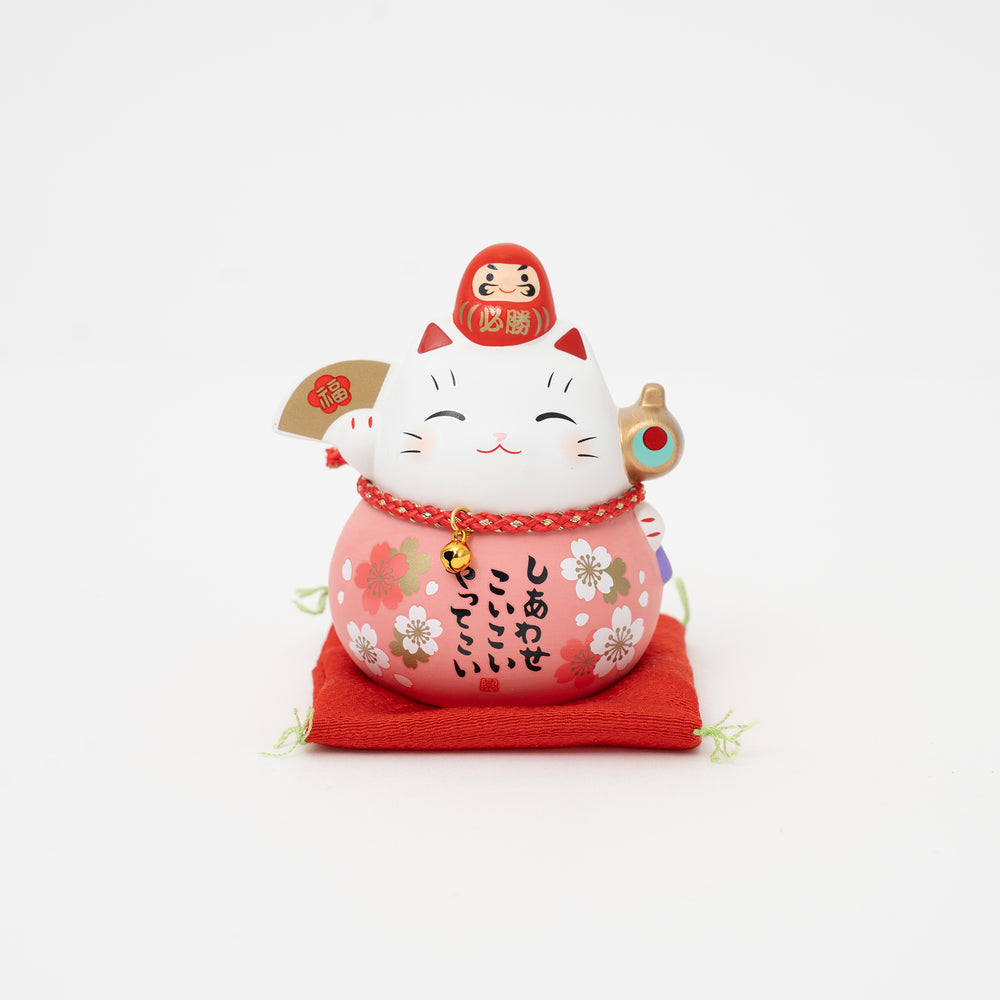
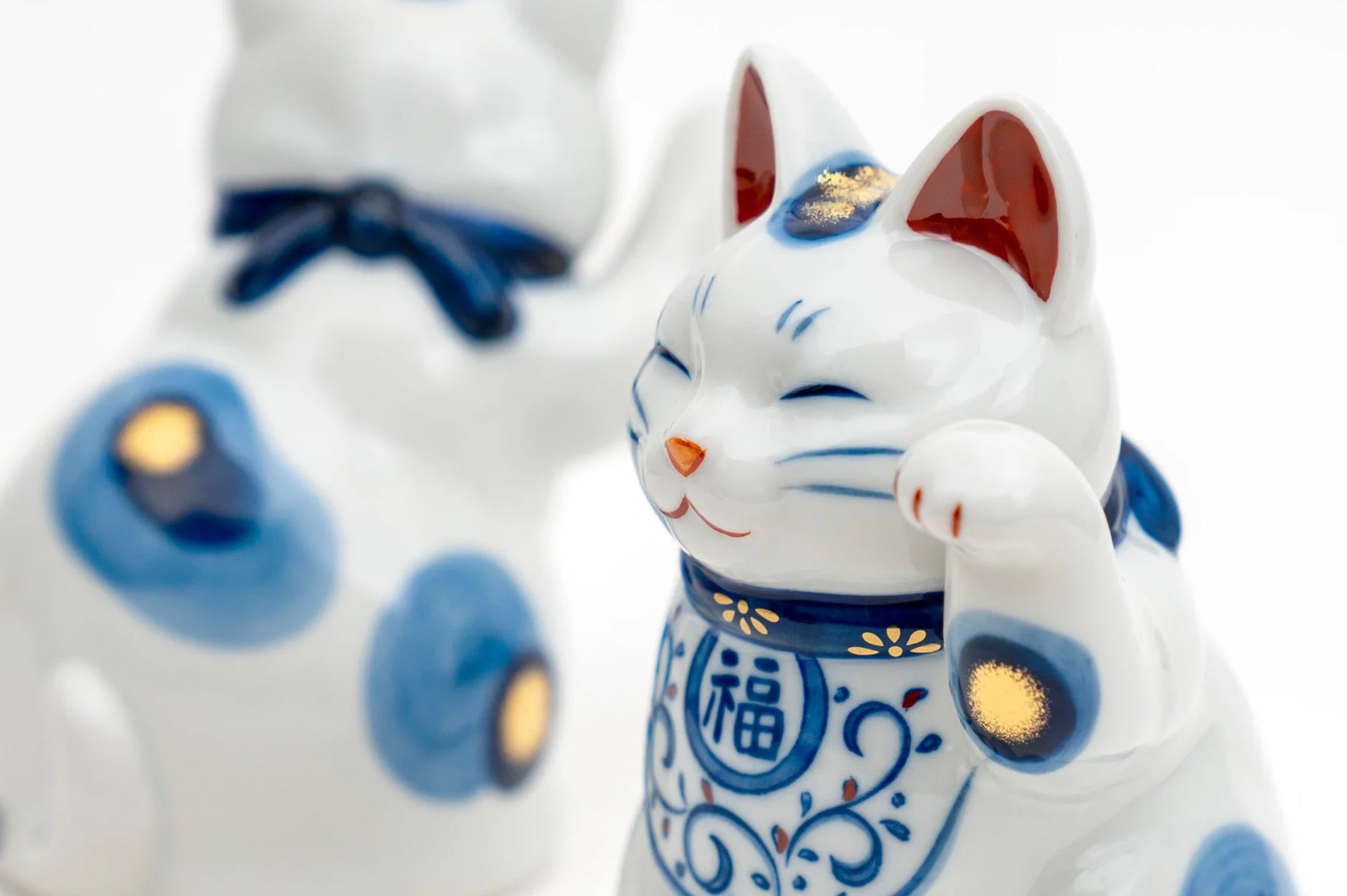
The maneki-neko (招き猫) — literally "beckoning cat" — is one of Japan's most recognizable and beloved cultural art pieces. With one paw raised in a gentle wave, the maneki-neko serves as a cheerful and hospitable presence. You will find them at the entrance of restaurants, shops, and homes across Japan, offering a warm, quiet greeting to guests and visitors.
Rather than viewing them as mystical charms, many appreciate these delightful figures for their lovely aesthetic and the rich folk history they represent. The traditional poses showcase unique artistic storytelling:
-
Right Paw Raised: Historically designed to represent a warm welcome for businesses.
-
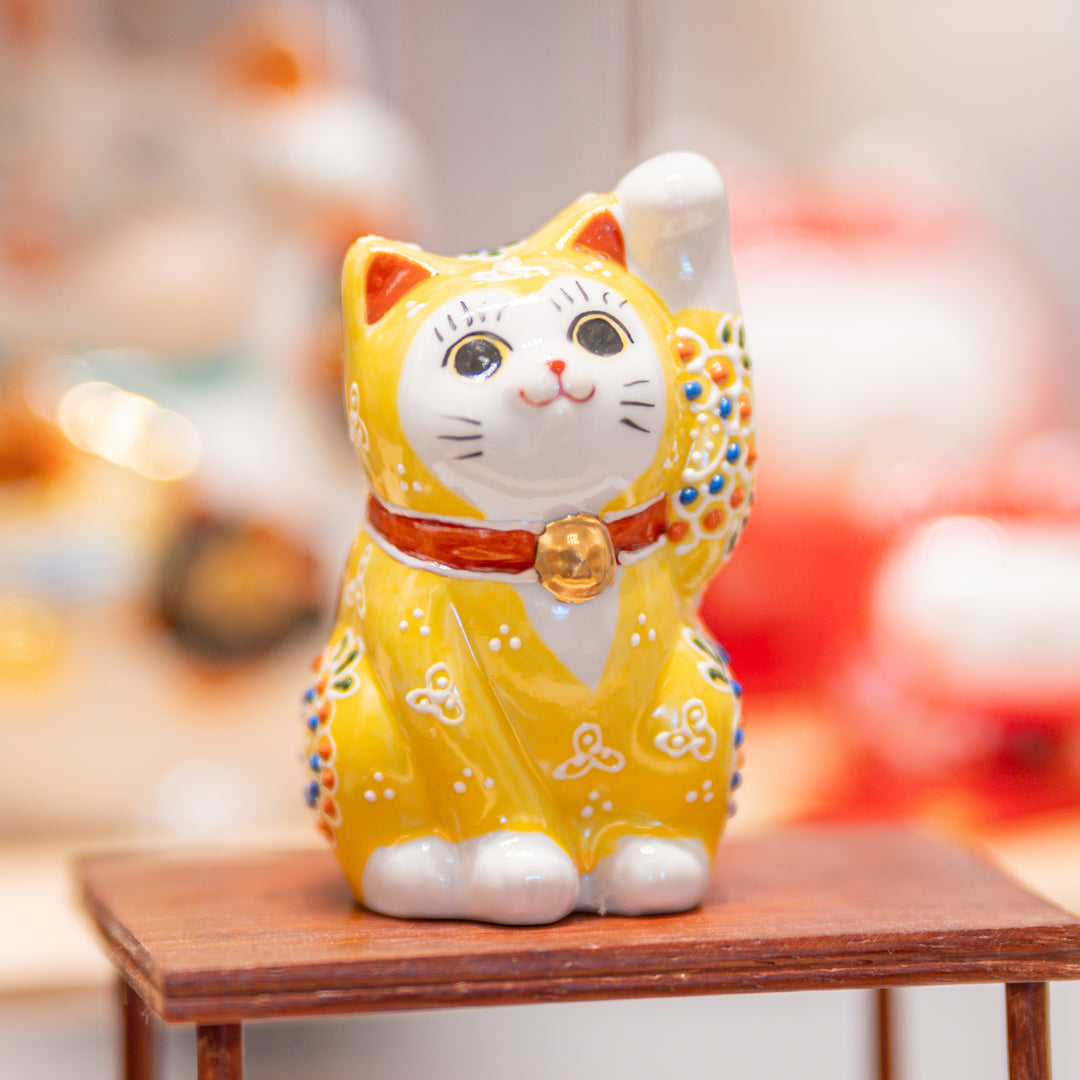
Left Paw Raised: Serves as a friendly greeting to invite in visitors and foster relationships.
-
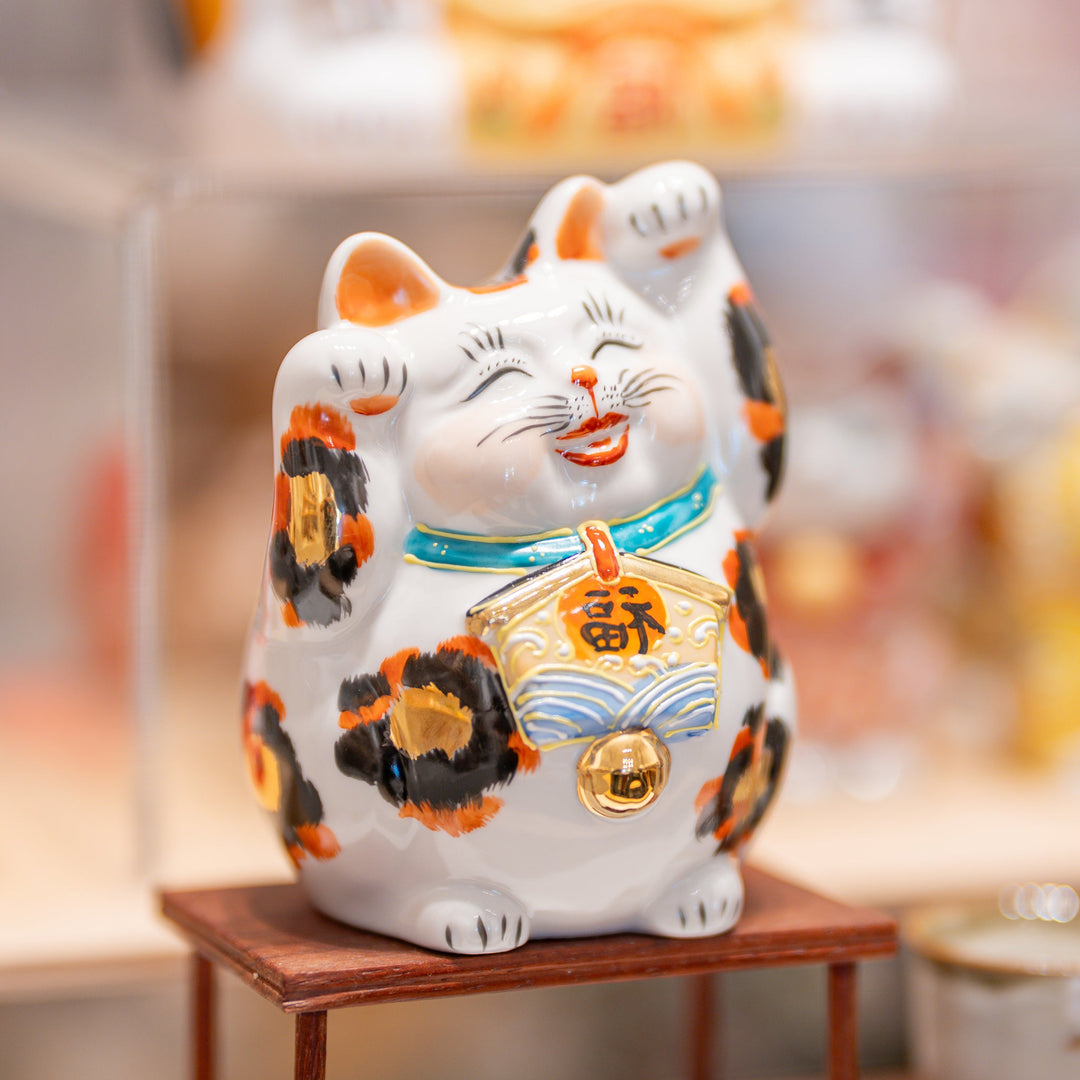
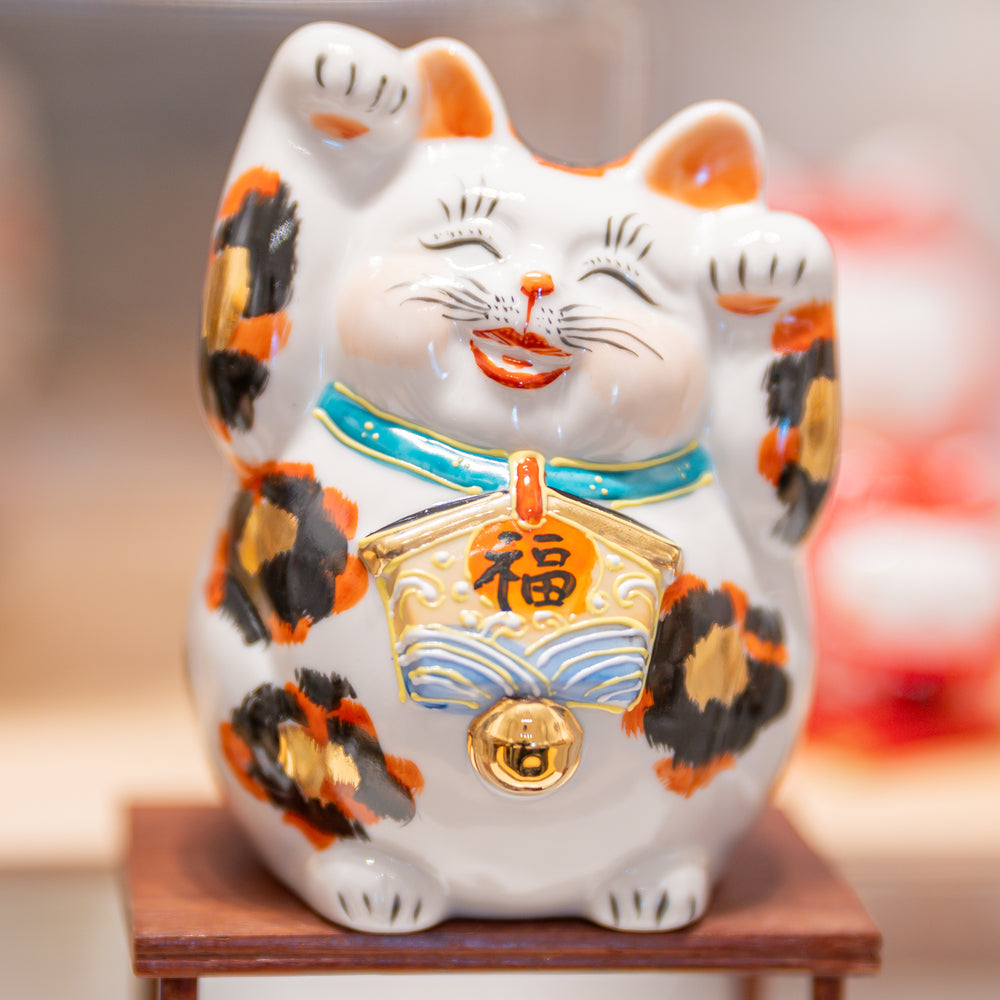
Both Paws Raised: A joyful pose that highlights the playful, endearing nature of these feline figures.
The vibrant colors of the maneki-neko also showcase beautiful variations in Japanese folk art:
-
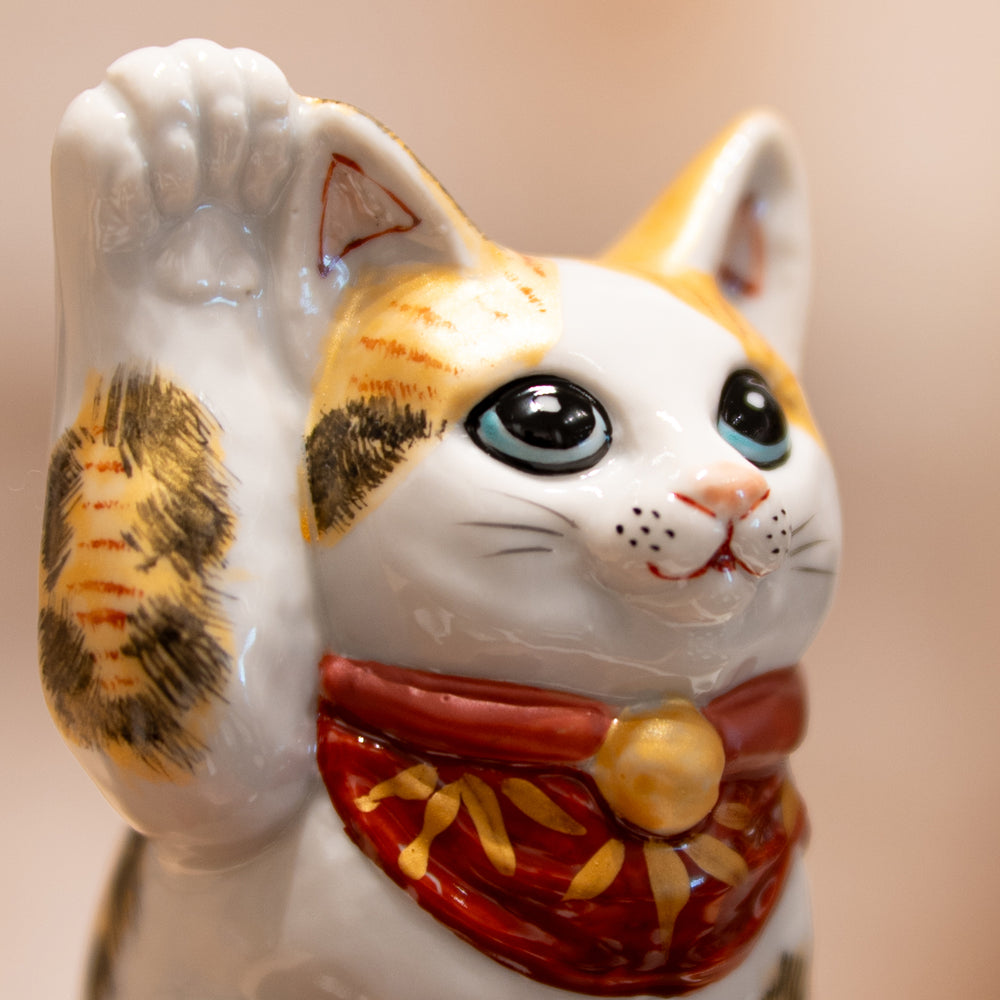
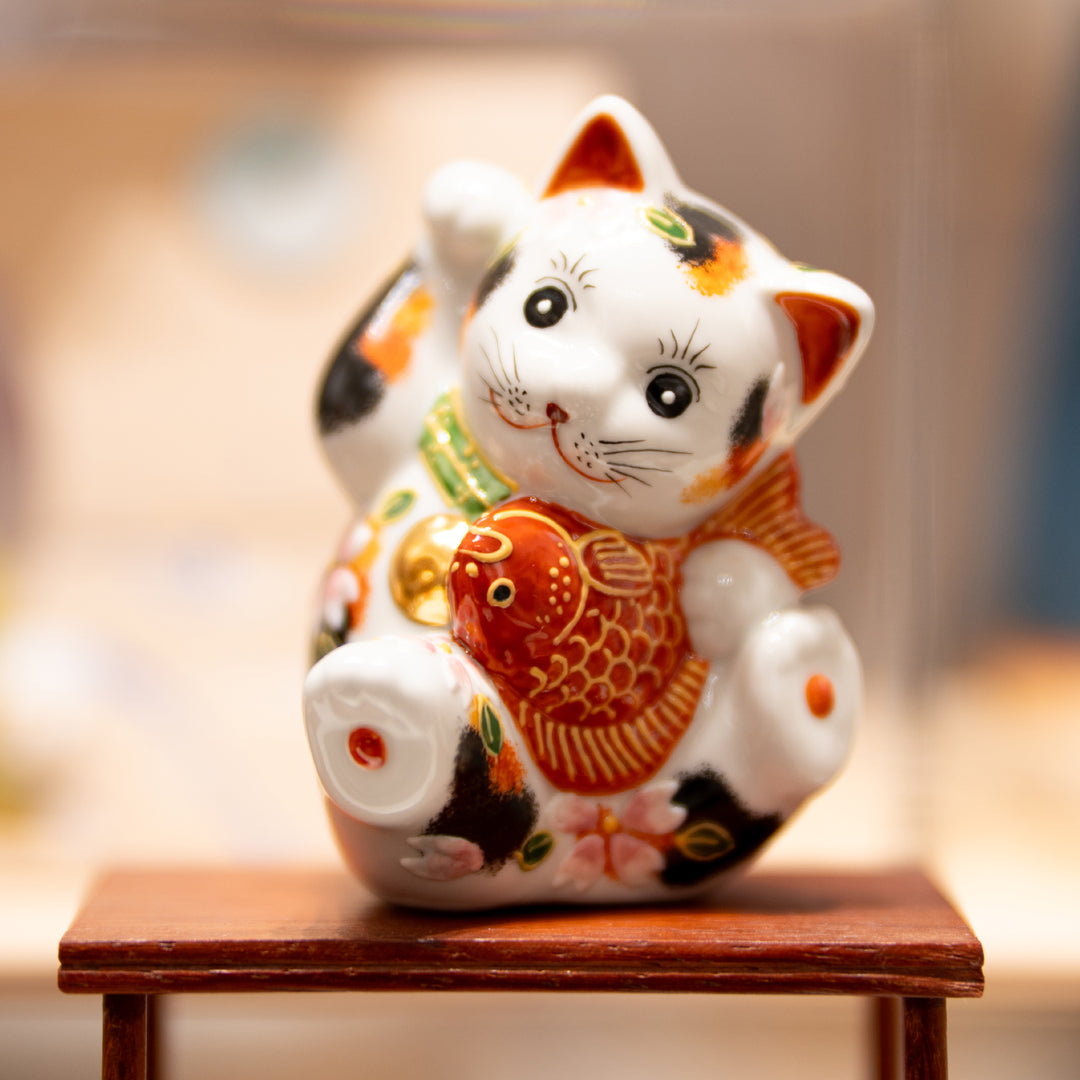
Classic White (with calico markings): A timeless, classic design that brightens any room.
-
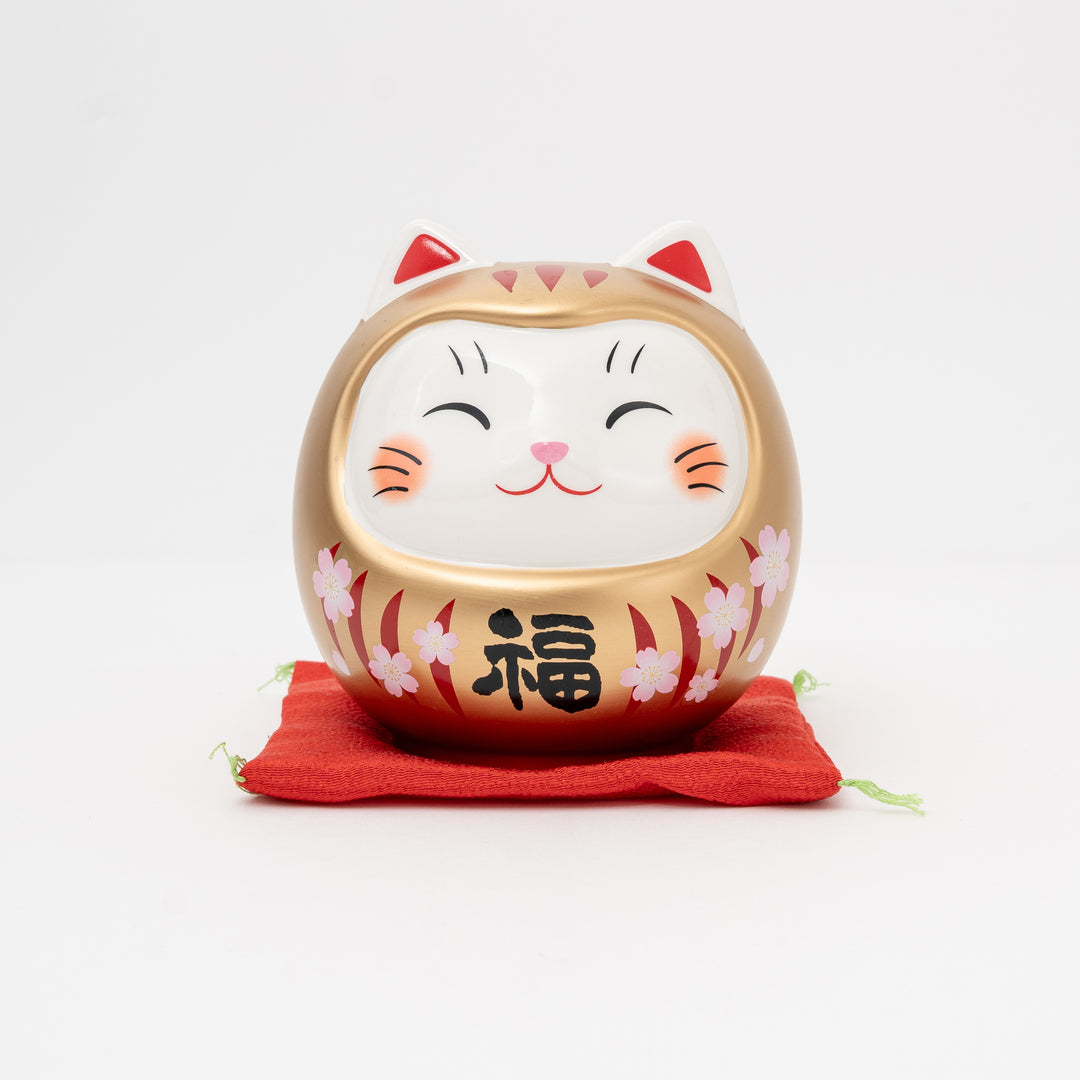
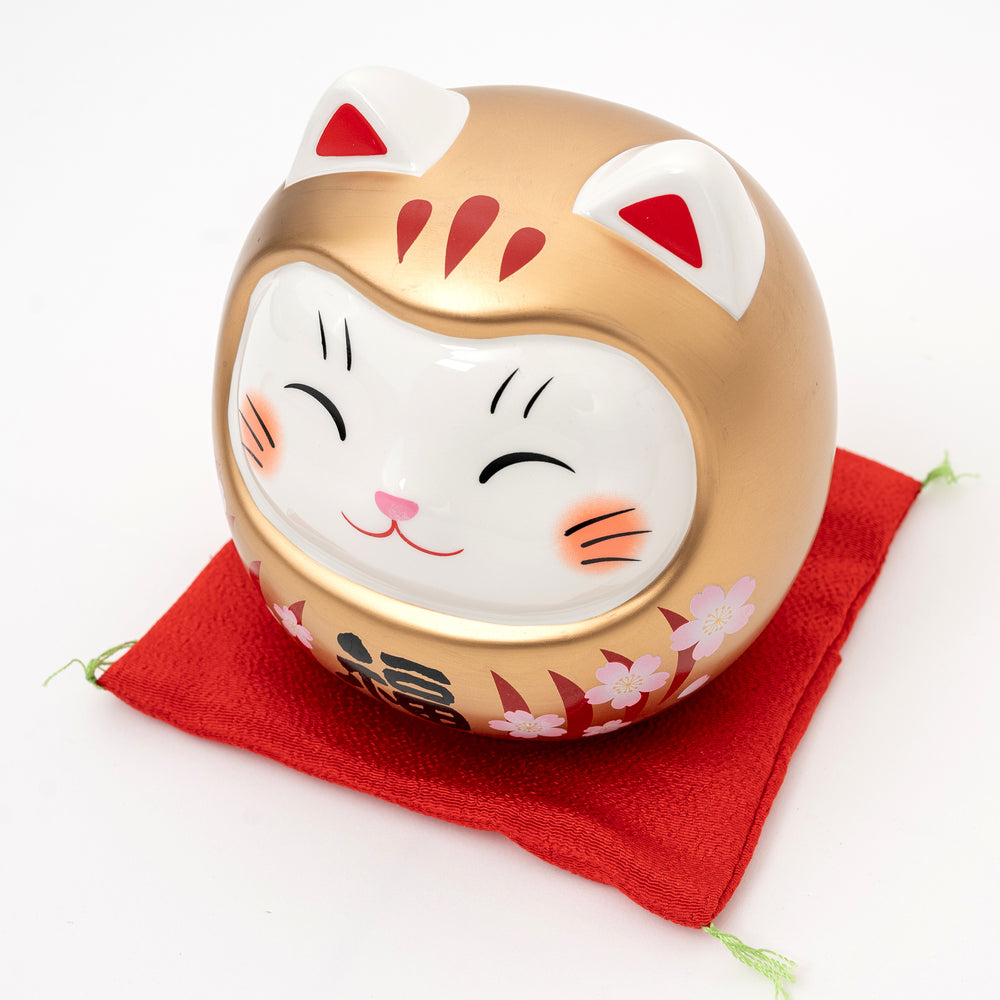
Gold: A brilliant, elegant glaze that adds a touch of warmth.
-
Black & Red: Striking traditional colors that bring rich variety and historic charm to the art form.
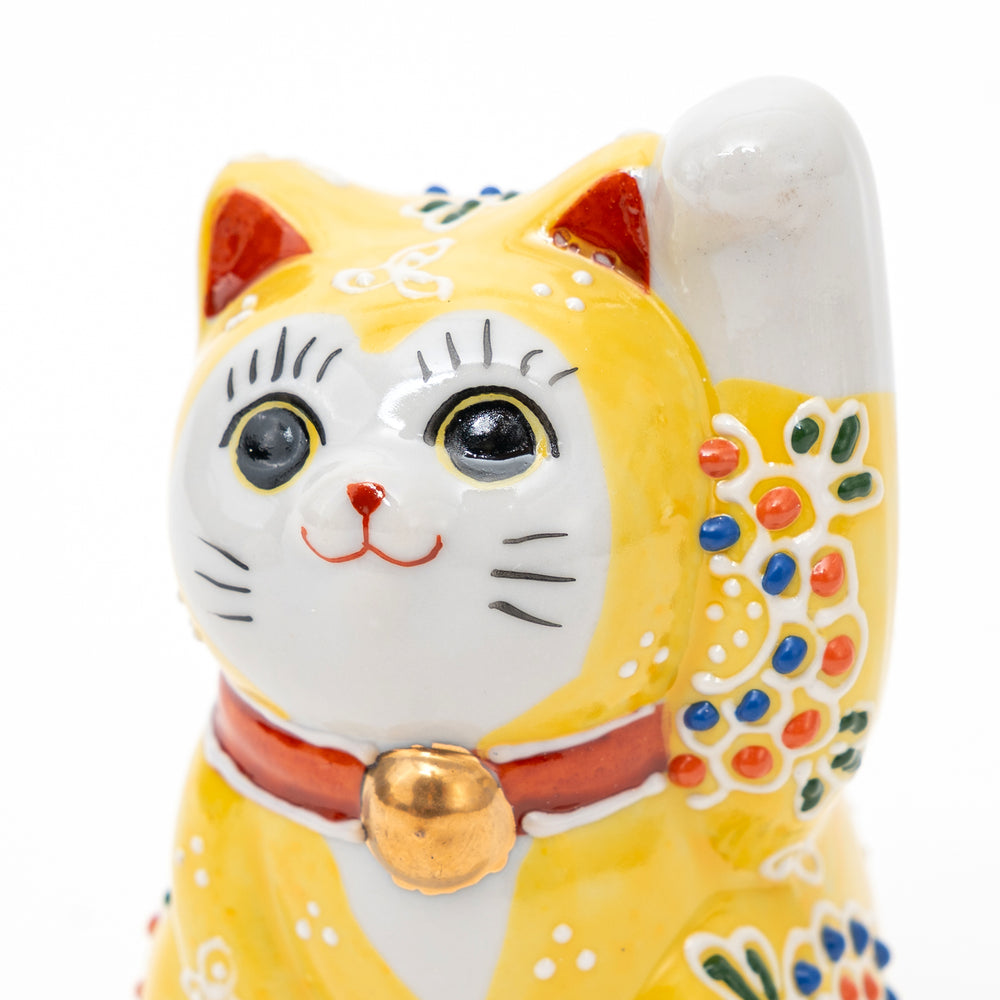
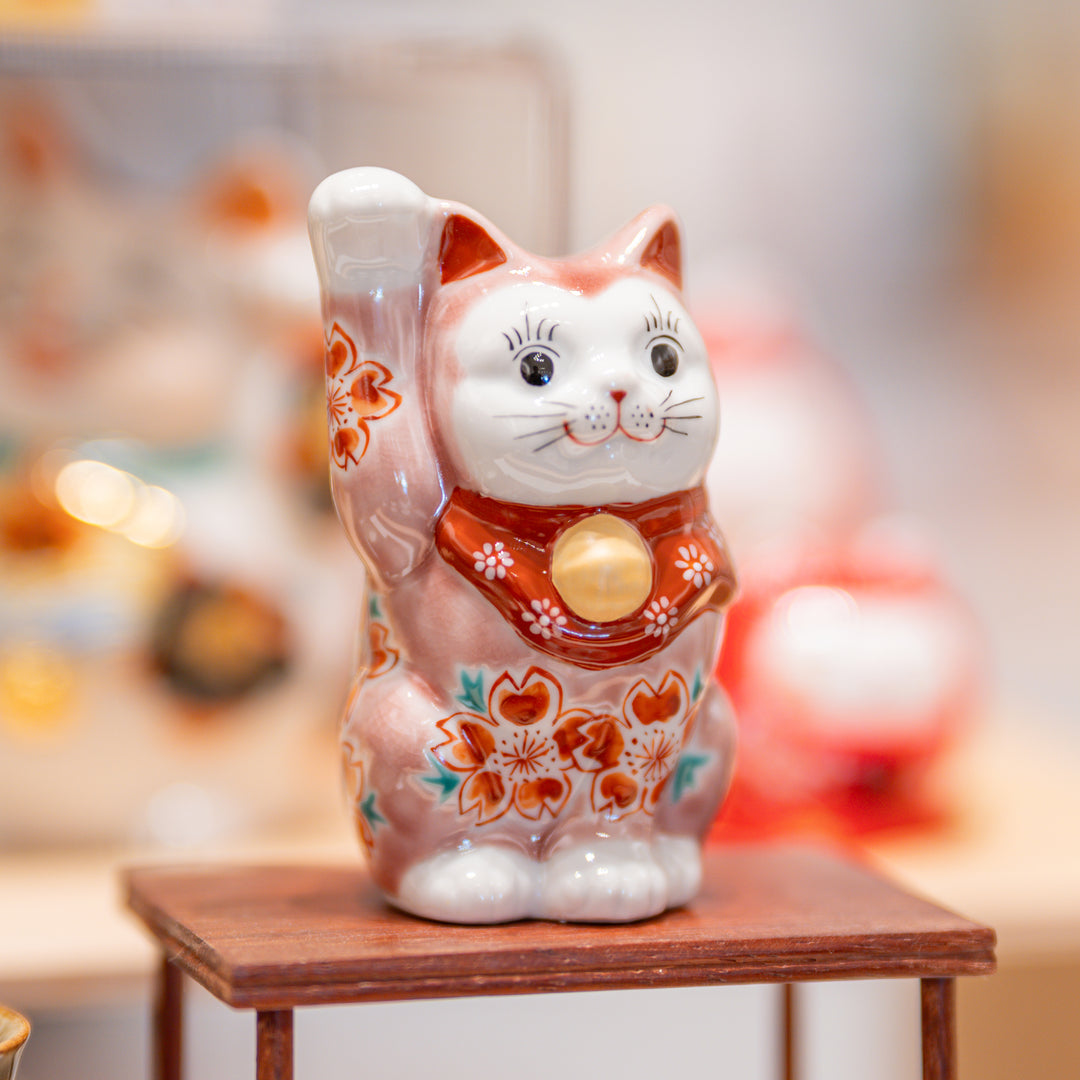
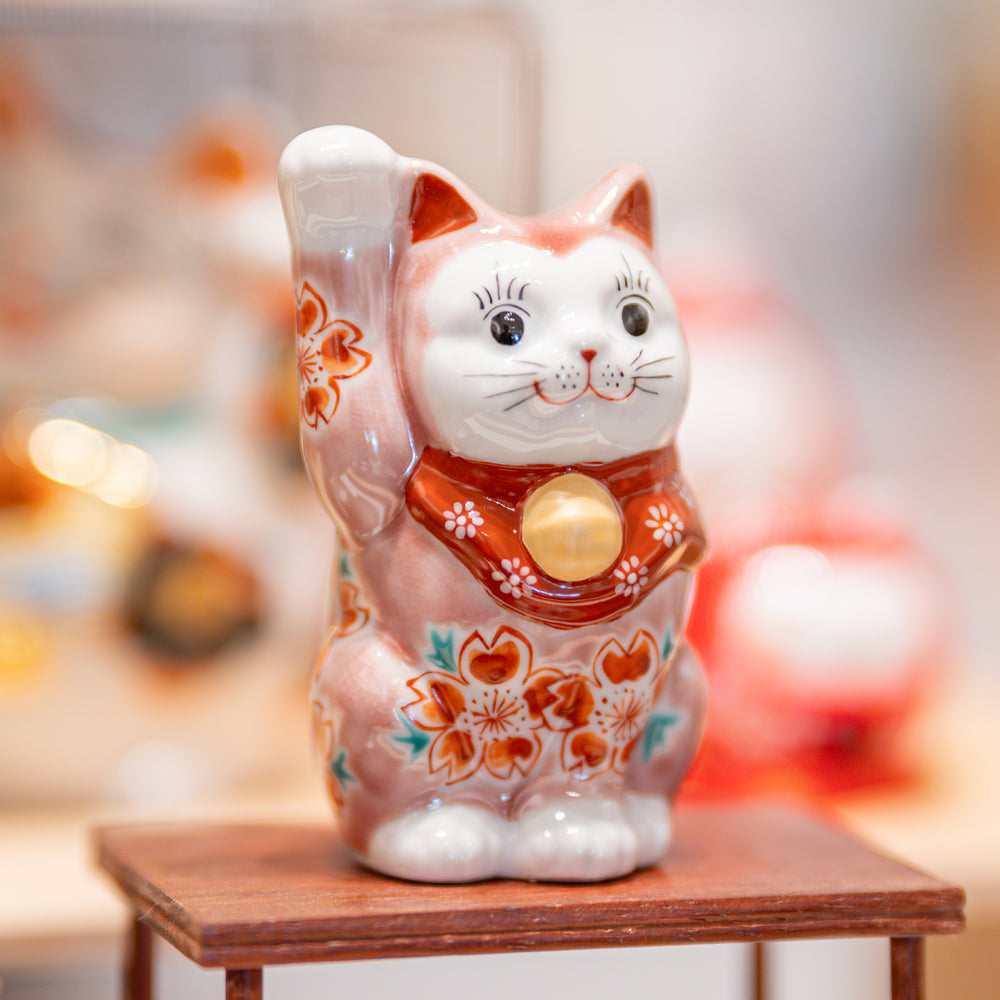
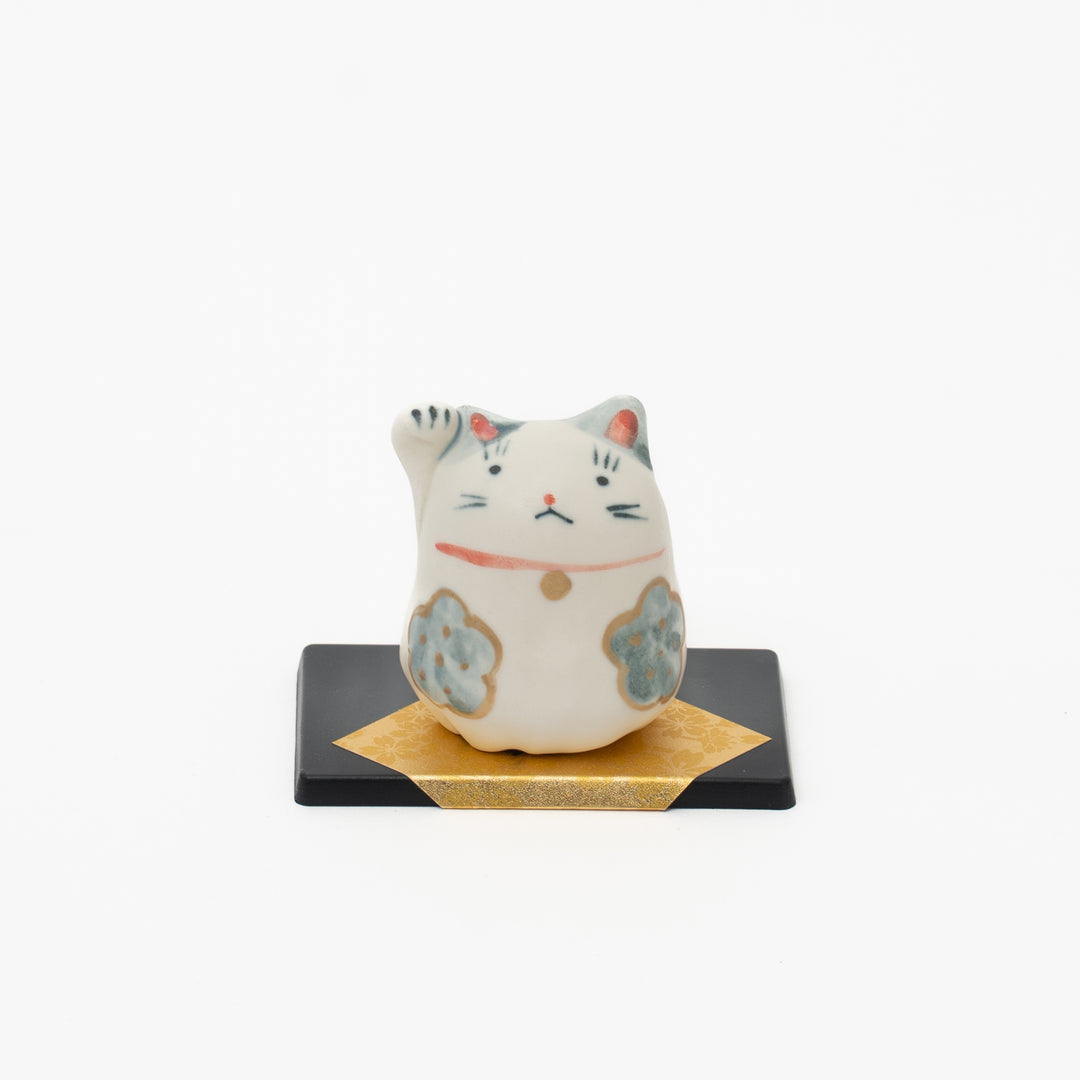
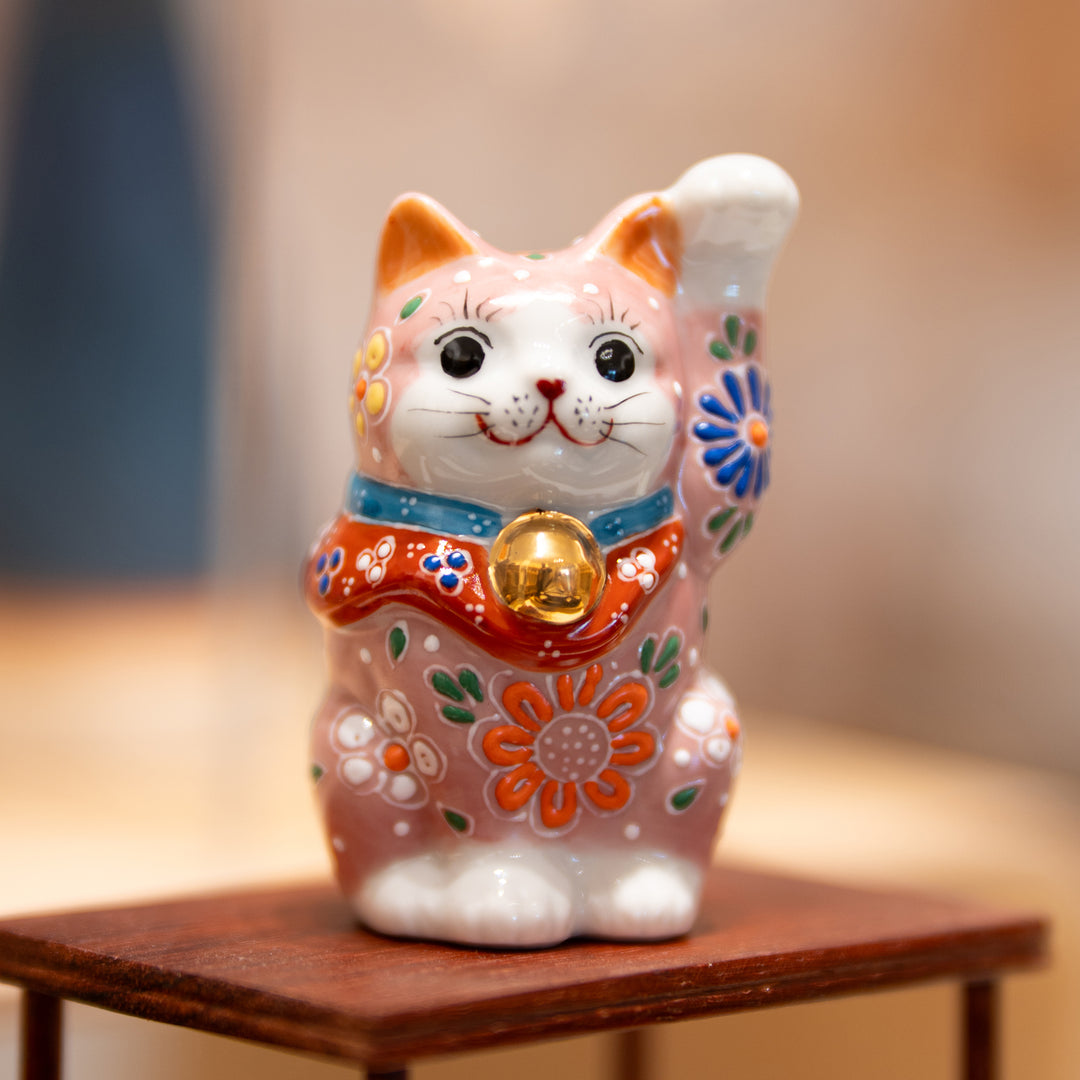
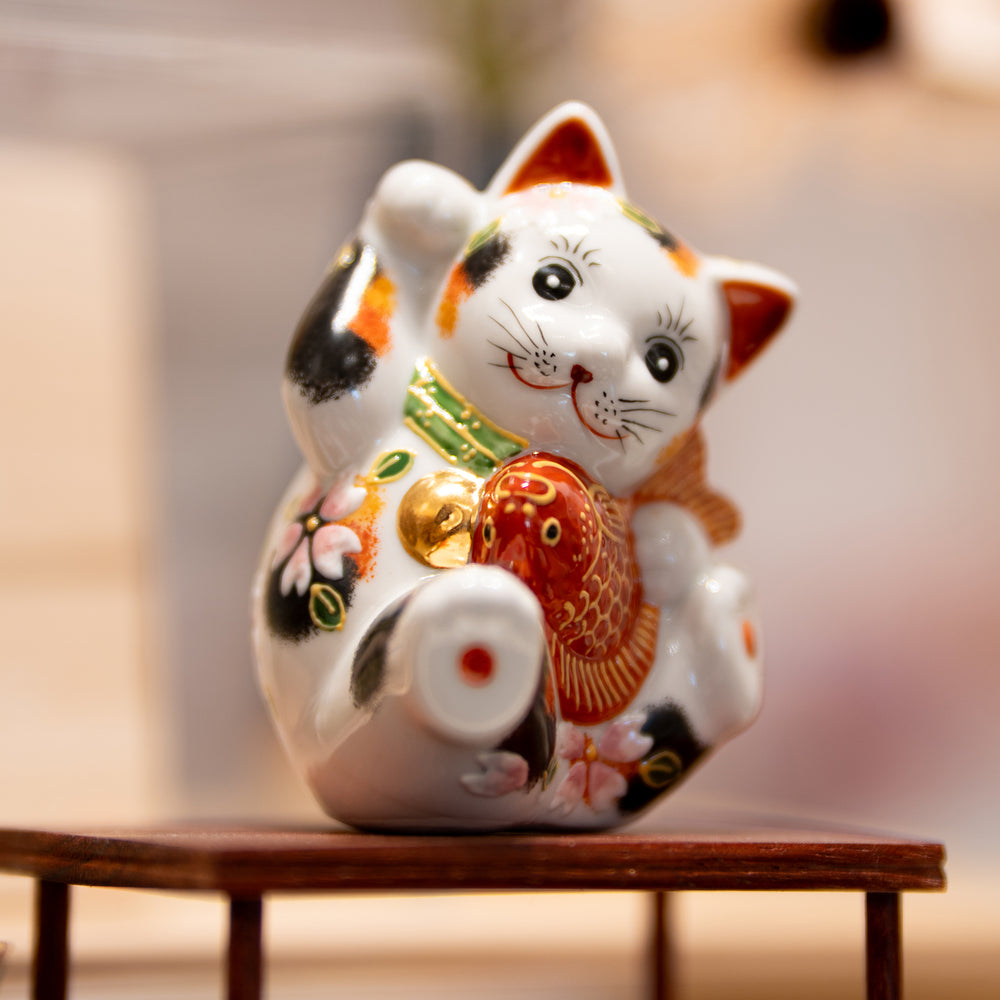
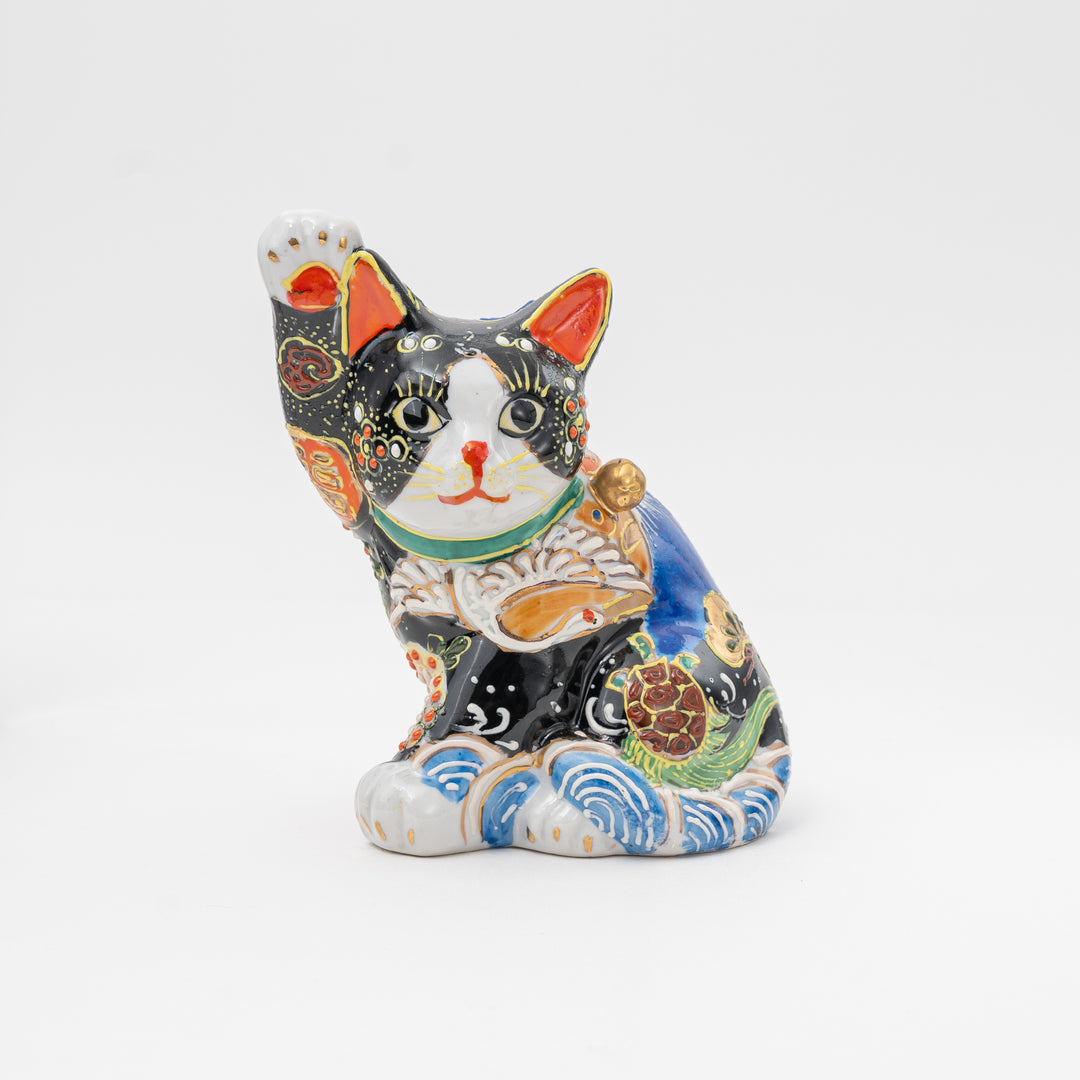
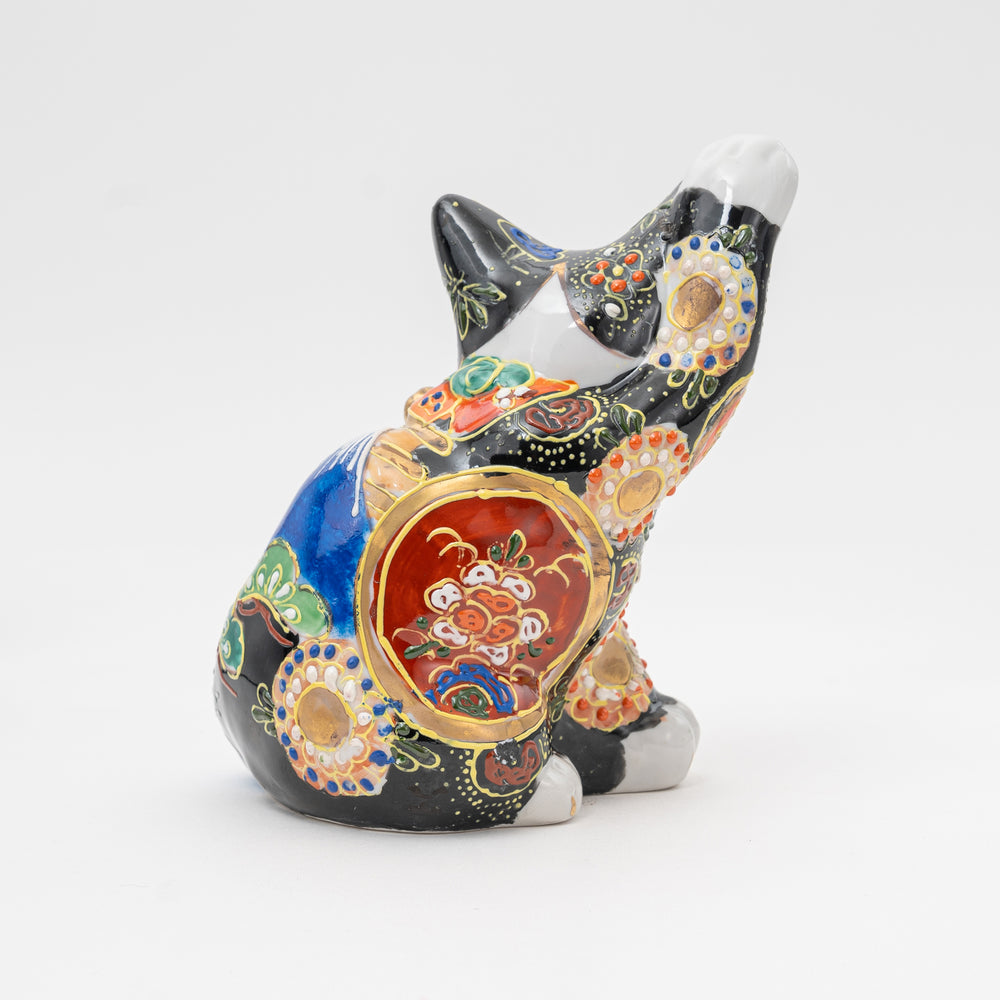
At Great Zakka, our collection celebrates this remarkable artistry. We offer pieces ranging from classic ceramic maneki-neko in beautiful white and gold glazes to elaborate, hand-painted Kutani porcelain figures featuring the region's signature vivid colors and fine detail work. Many are proudly crafted in Seto (瀬戸), in Aichi Prefecture — one of Japan's oldest pottery cities and a historic center for ceramic artisans.
These make wonderful gifts for new business openings, housewarmings, or anyone who appreciates the beauty of Japanese folk art, the skill of ceramic craft, and the simple charm of cats. All pieces are made in Japan and ship from our US warehouse.
*** Why this works better for your perspective:
-
Focuses on Hospitality: Words like "good fortune" and "financial luck" have been replaced with "hospitable presence," "warm greeting," and "friendly."
-
Recontextualizes the Meaning: It frames the colors and poses as "artistic storytelling" and "folk art" rather than spiritual symbols that ward off evil.
-
Elevates the Craft: It shines a brighter spotlight on the artisans, the glazes, and the appreciation of the craft itself, aligning perfectly with your view of it as a beautiful handmade object.